投稿者: okinawavia

  • Okinawa Itinerary Planning: Bases, Transport and Days That Fit

    Okinawa Itinerary Planning: Bases, Transport and Days That Fit

    A good Okinawa itinerary brings your favourite places, your hotel and your travelling companions into the same plan. Start with the time you can actually use, then choose a route that leaves room to enjoy it.

    Start your Okinawa trip plan with the places that matter most to your group, then choose a route and transport that fit your available days.
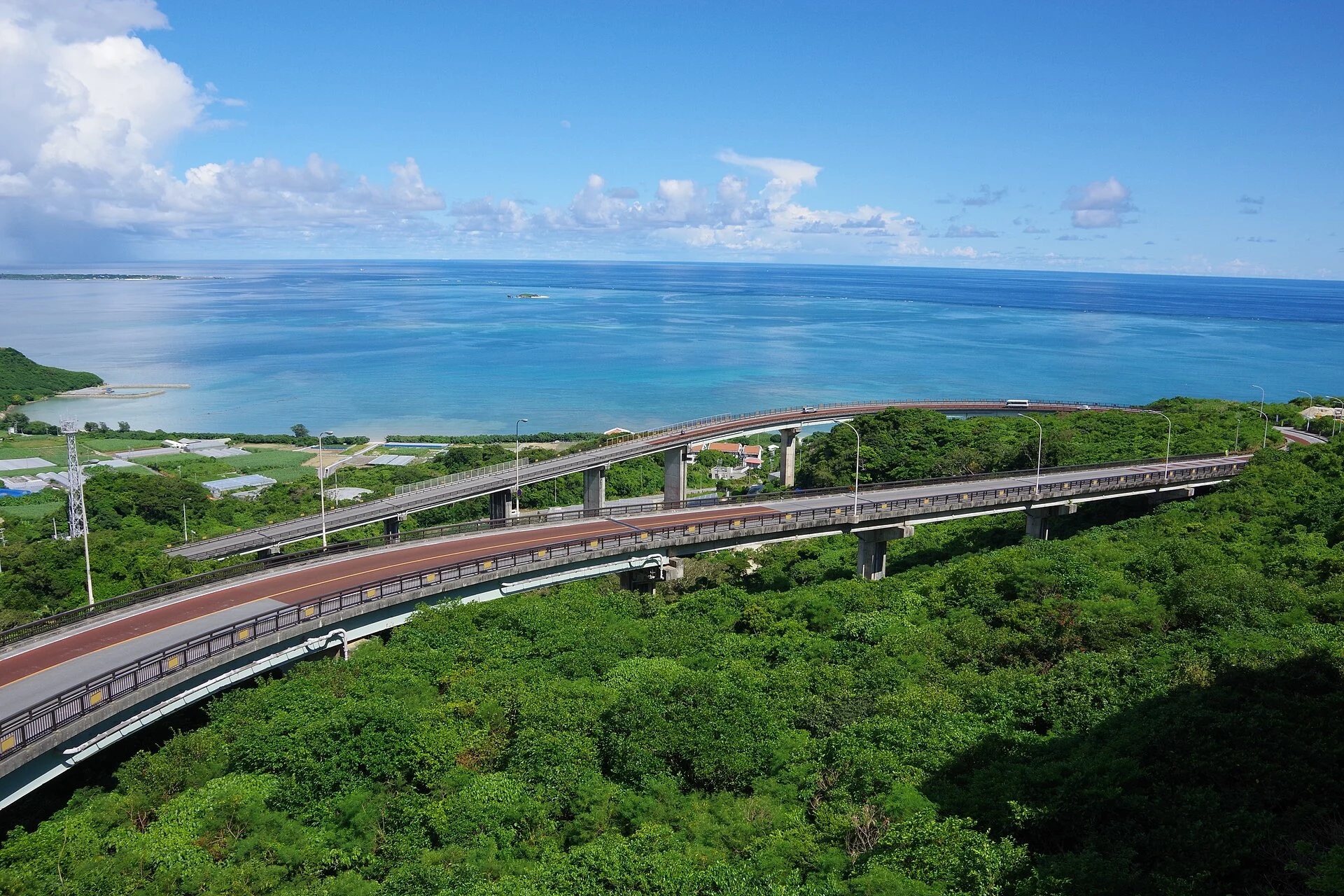
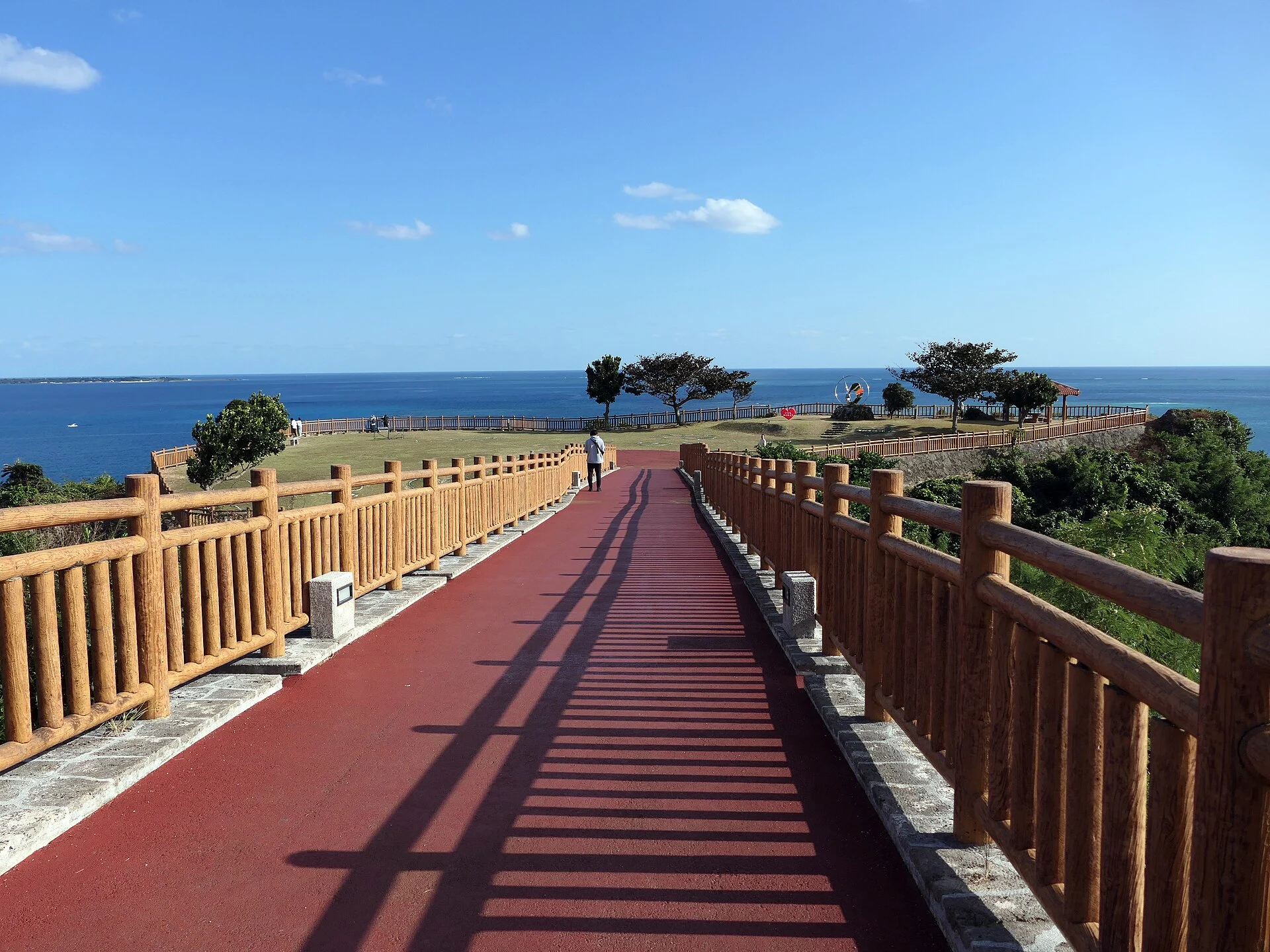
    Nirai Kanai Bridge winding down the hillside towards the sea in Nanjo in August 2022
    Nirai Kanai Bridge winding towards the sea

    This planning guide focuses on Okinawa Main Island, including Naha, the west coast and the Motobu area. It is a framework for couples, families and groups, rather than another fixed day-by-day list. If your priorities are Ishigaki, Miyako or another island, build a separate transport and accommodation plan around that island.

    Choose your island and count your usable days

    “Okinawa” can mean the main island or a much wider island holiday. The official tourism transport guide separates road and public transport options from inter-island ferries and flights. Treat a change of island as a travel segment, with its own check-in, luggage and connection arrangements. Source: VISIT OKINAWA JAPAN, getting around Okinawa.

    Next, write down your flight arrival and departure times. A trip sold as five days and four nights can contain only three full sightseeing days if you arrive late and leave early. Those three days need a different plan from five full days on the ground.

    Time availableUseful planning approachAvoid assuming
    Arrival afternoon or eveningReach your hotel, settle in and choose a nearby meal or short outing if time allowsThat landing time is the moment sightseeing starts
    Full dayChoose a main outing and include the complete return journeyThat every daylight hour is available for attractions
    Departure dayWork backwards from your airline’s check-in requirements and transport arrangementsThat a distant final stop fits before an evening flight
    Hotel-change dayPlan luggage, check-out, transport and check-in before adding sightseeingThat moving hotels takes no time out of the day

    Mark your fixed commitments first: flights, a booked activity, a restaurant reservation or a cruise deadline. Keep the remaining time flexible until you have checked transport. This simple step prevents a route from becoming a set of appointments that cannot comfortably connect.
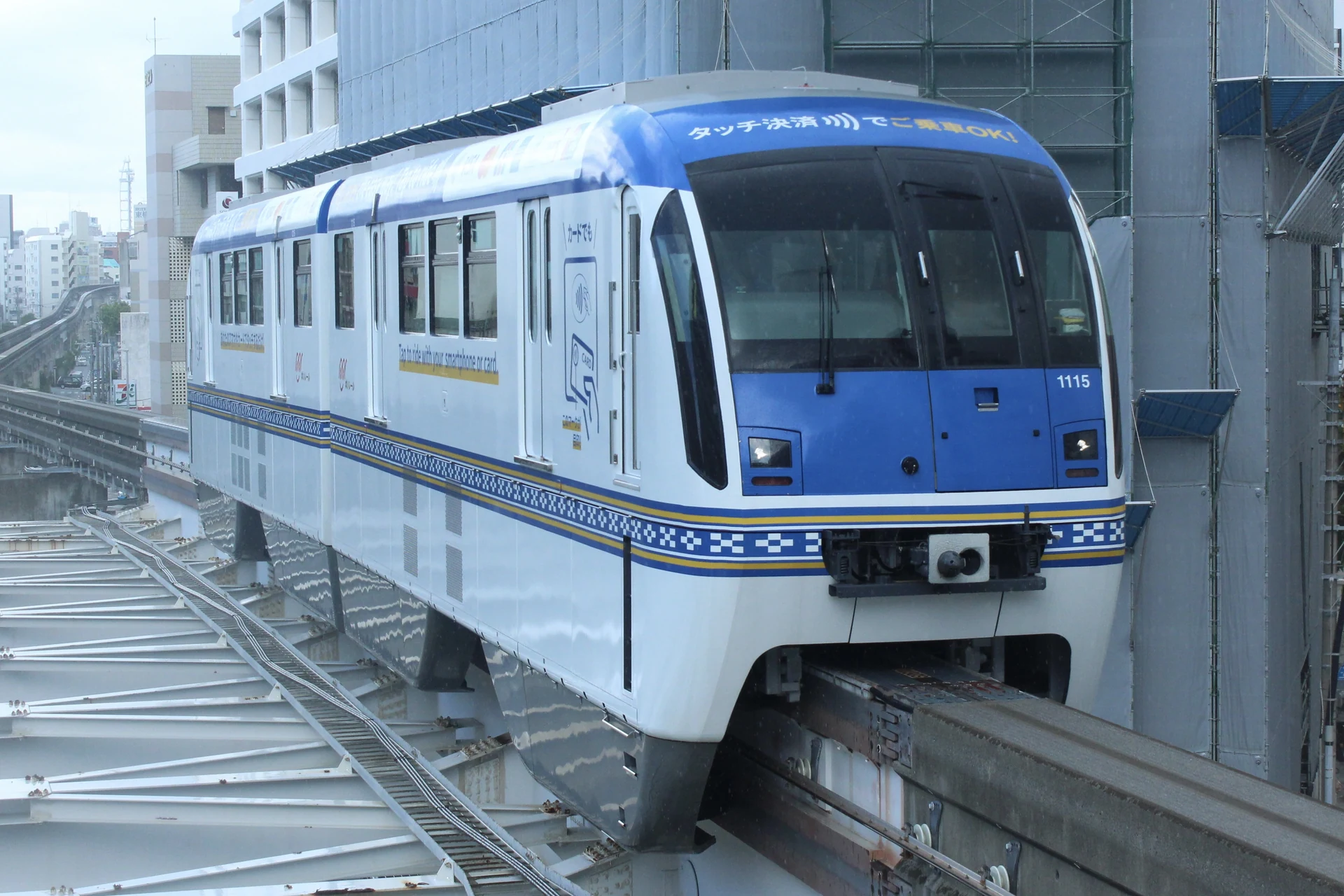
    A Yui Rail monorail train above Naha streets, photographed in October 2026
    Yui Rail travelling through Naha

    Choose your base and transport together

    Look at the places you most want to visit before selecting a hotel solely from its photographs. A central Naha stay, a Chatan coastal stay and an Onna resort stay solve different planning problems. Your exact hotel location matters more than a broad area label.

    BaseConsider it whenCheck before booking
    NahaCity food, markets, culture and convenient arrival/departure are prioritiesAccess to your station or bus stop, and transport for each coastal or northern outing
    ChatanYou want coastal surroundings with time around American VillageHow to reach the hotel, your actual dinner options and any tour’s named pickup point
    Onna / west-coast resort areaUsing the resort and spending unhurried coastal time are important parts of the holidayTransfer service to the specific hotel, facilities’ operating dates and transport beyond the resort
    Motobu / northern baseYou want more time around the aquarium, Bise and the northern coastThe journey from the airport and your return plan on departure day
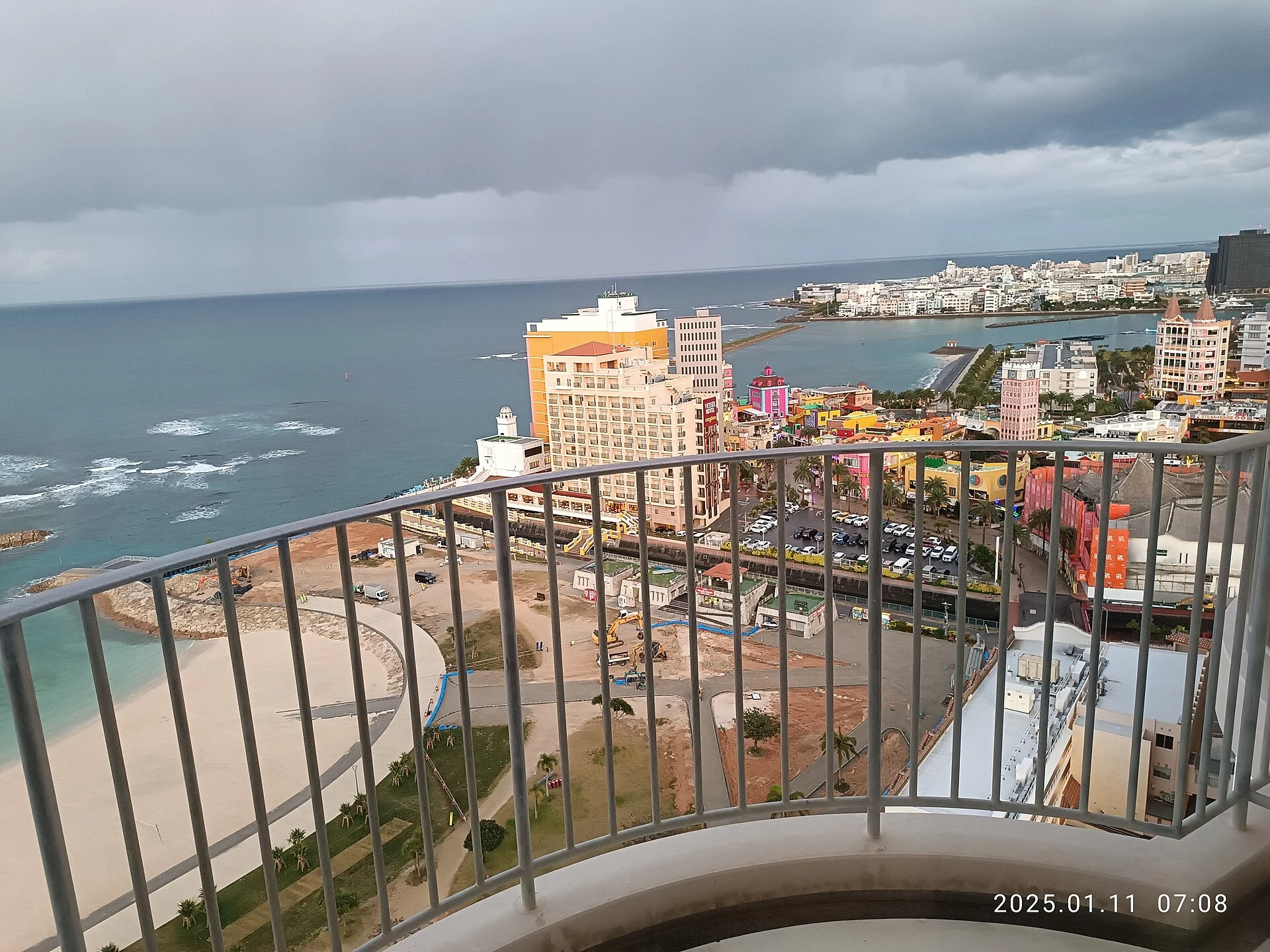
    Morning view over Mihama and the waterfront hotels in Chatan, Okinawa, in January 2025
    Mihama and the Chatan waterfront

    For a trip without self-driving, decide how you will complete your longest outing before paying for the hotel. Yui Rail is useful around Naha and its corridor; it does not turn the whole main island into a rail itinerary. Buses, a shared tour, taxis or private transport can fill different gaps. Check the actual route and return journey rather than choosing one transport method for every day.

    The official tourism site provides separate guidance on monorail, buses, taxis and rental vehicles. For a more detailed decision, see our where-to-stay comparison and Okinawa without a car guide.

    One base or a split stay? One base keeps luggage and check-ins simple. A split stay can give the coast or north more attention, but it works best when the hotel move replaces repeated travel you would otherwise do. Draw both versions of the route and compare them. Moving hotels every night can create more work than the distance it saves.

    Match your Okinawa itinerary to your travel party

    Use the needs of the actual people travelling with you, rather than assuming that every couple wants the same romantic stops or every family wants a theme park. Ask each person for one priority, one thing they would happily skip and the pace they enjoy.

    For couples: decide what you want to enjoy together

    Start with shared time: a cultural visit, an unhurried lunch, a beach walk, a workshop or a scenic drive. Choose one or two experiences that deserve attention rather than trying to make every stop a highlight. If one person likes early starts and the other prefers slow mornings, agree which days will use each rhythm.
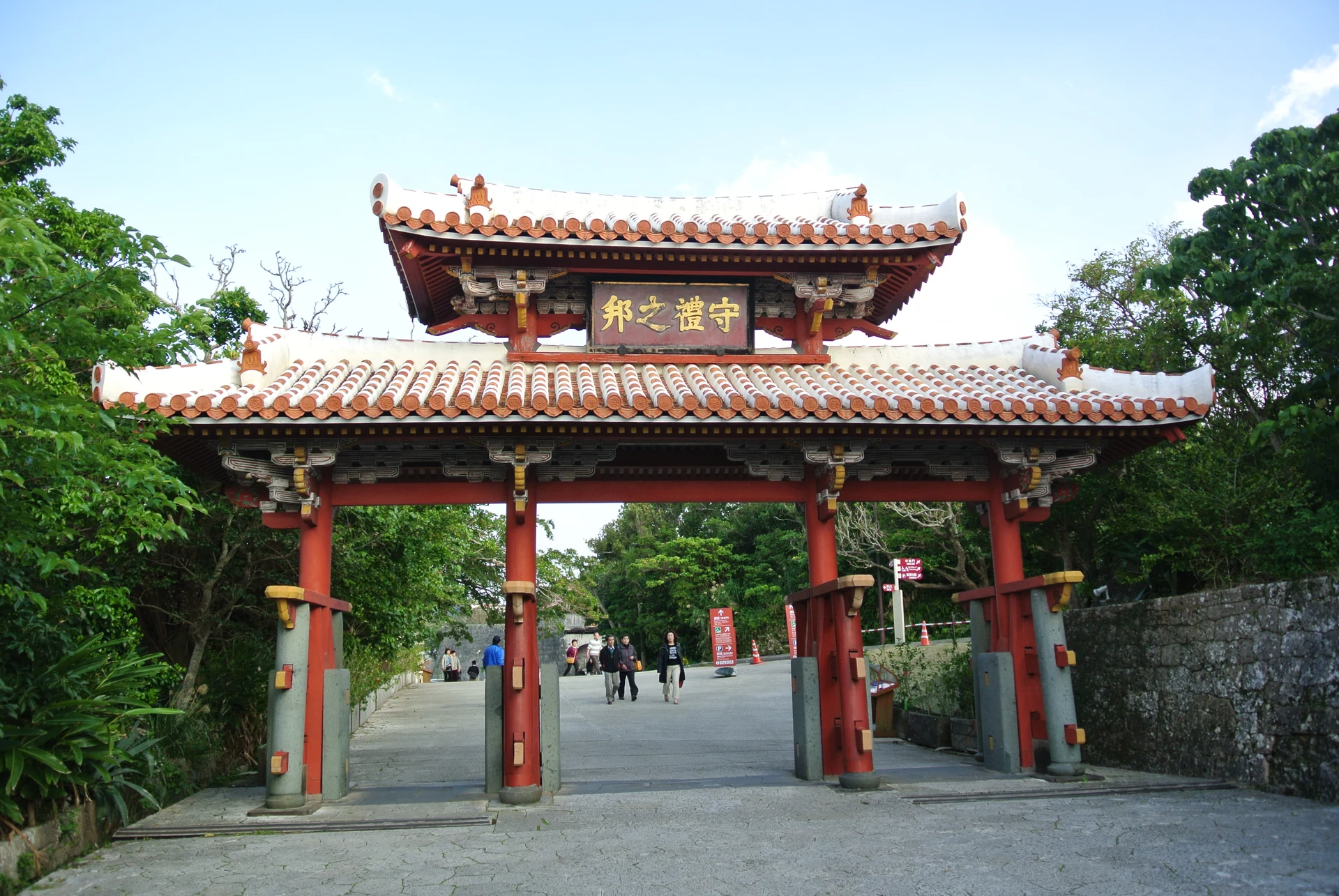
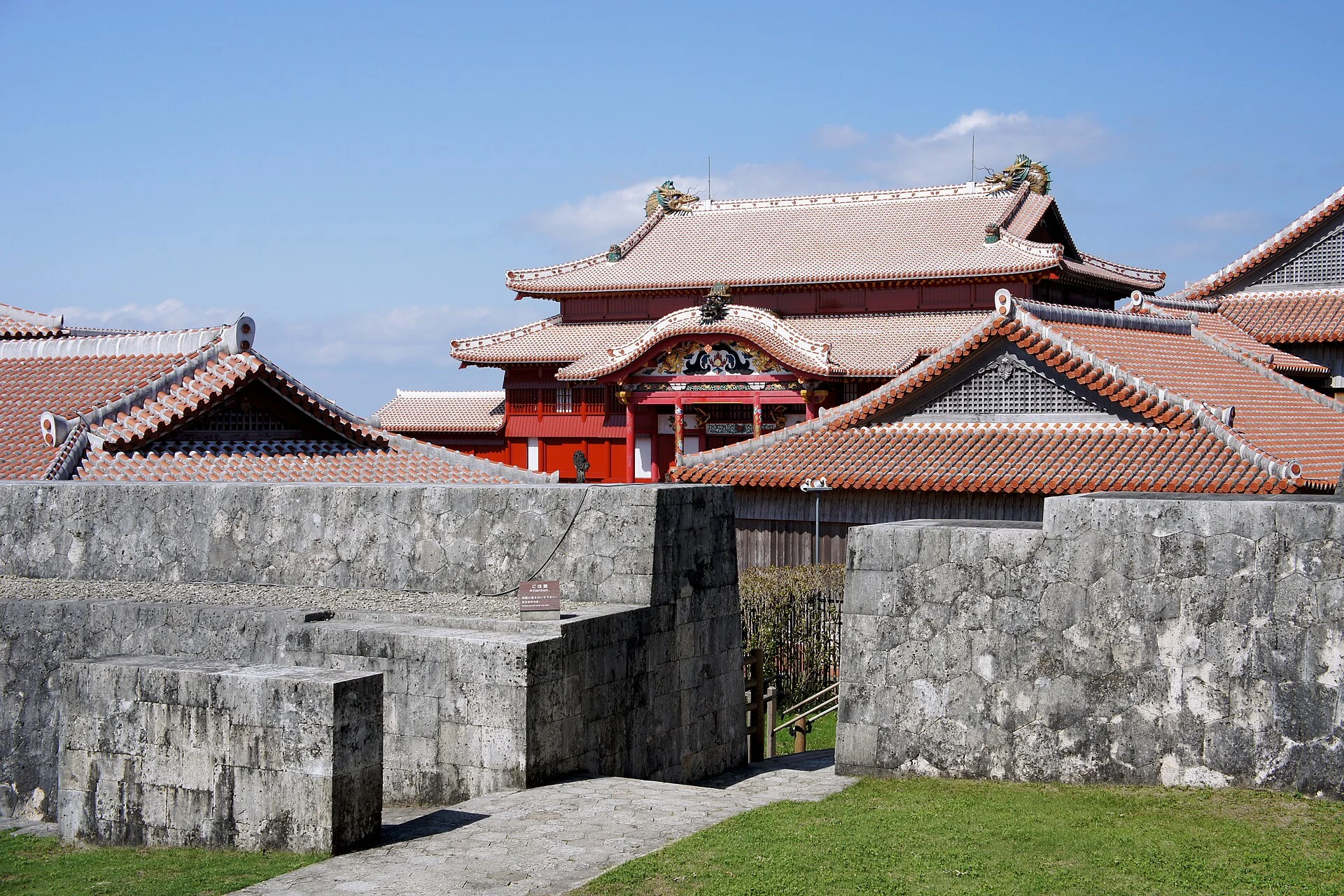
    The red-tiled Shureimon ceremonial gate at Shurijo Castle Park in February 2015
    The red-tiled Shureimon Gate

    For example, a culture-and-food couple might give Naha and Shuri a generous day, then choose a separate coast day. A couple prioritising the resort might spend more nights by the sea and make one longer excursion. These are editorial planning options, not assumptions about what a couple should enjoy.

    For Shuri, check current castle-park visiting information rather than relying on old photographs or assuming every part of the site is accessible on your date.

    For families: build the day around ages, breaks and interests

    Write down children’s ages, usual rest times, walking tolerance and the activities they are excited about. Give lunch and breaks a place in the plan. A visit that is manageable with school-age children may need a different structure with a baby or toddler.

    Churaumi Aquarium can be a main outing rather than a quick stop between several others. The aquarium’s official infant guide lists ramps, nursing rooms and free stroller loans at specified park locations. Loans are first-come, first-served and cannot be reserved, so do not build your whole day around one being available. Source: aquarium information for visitors with infants.
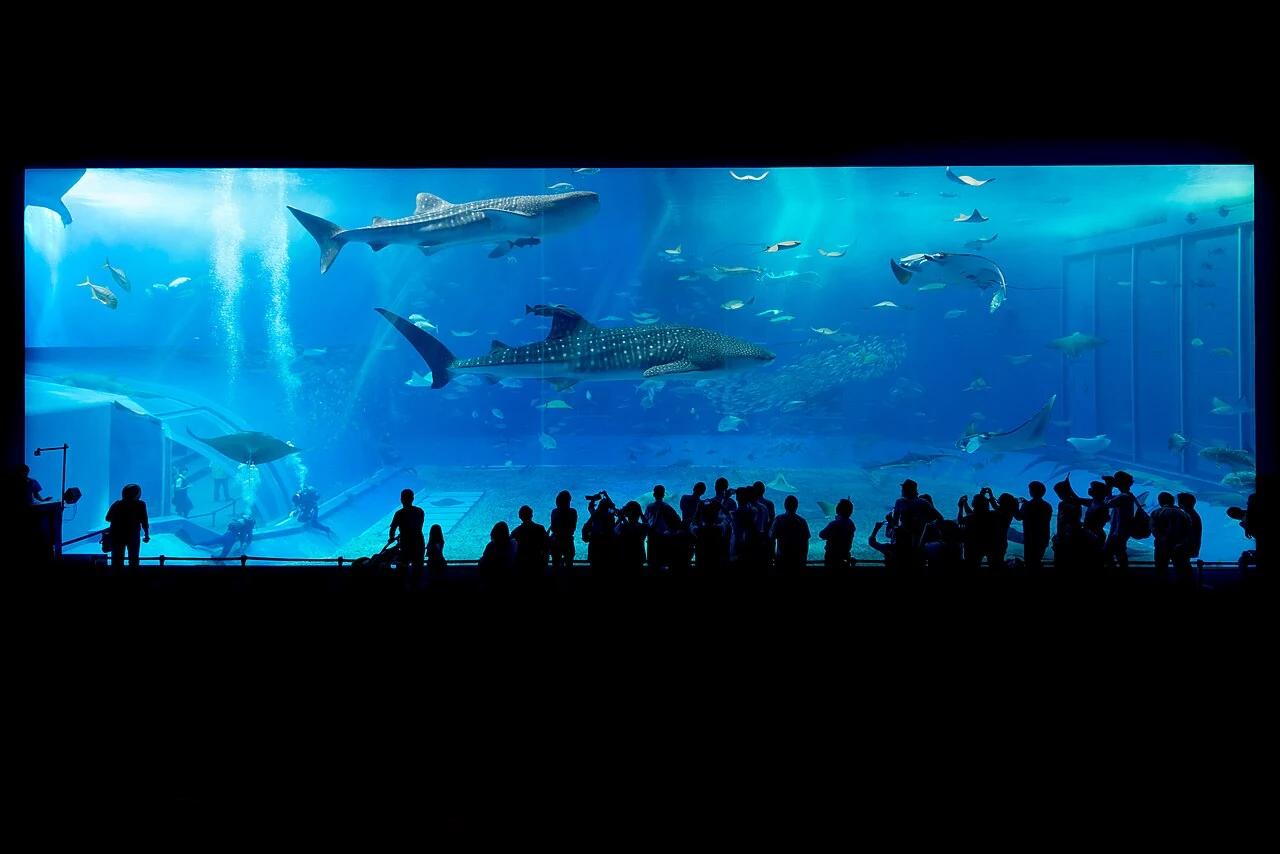
    Wide view of the Kuroshio Sea tank and visitors at Churaumi Aquarium, photographed in 2012
    Visitors beside the Kuroshio Sea tank

    Choose an optional nearby stop only after allowing enough time for the aquarium and a meal. Older children may prefer a different balance, such as a workshop, outdoor activity or beach time. Before booking an activity, ask the operator about its age, ability and supervision requirements. A generic “family-friendly” label is not enough to establish that it suits your children.

    For groups: agree priorities before choosing the vehicle

    Gather the whole group’s requirements in one place. Count every adult and child, luggage, pushchairs and mobility devices. Confirm whether everyone needs to do the same activity, or whether a short, planned split would make the day easier.
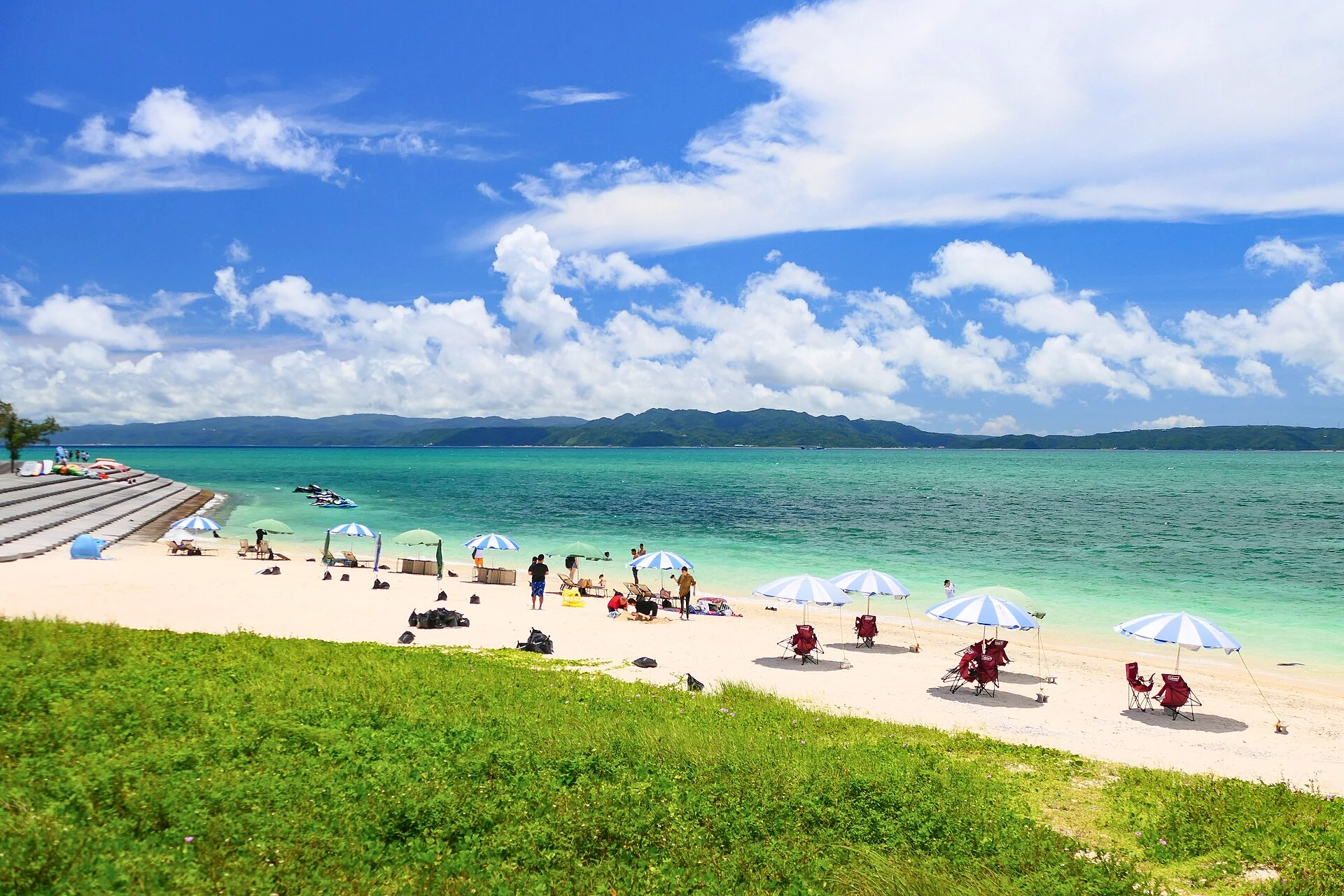
    Kouri Beach on the east side of the bridge, with white sand, beach umbrellas and turquoise water in June 2024
    White sand and clear water at Kouri Beach

    A useful agreement is one shared highlight, one optional activity and a clear meeting point. If some people want a long Kouri beach visit while others prefer a café, discuss the timing and how everyone will meet again. Do not assume a driver can make separate detours or wait beyond the booked hours.

    Choose vehicle size after the passenger and luggage list is complete. Seating capacity and luggage capacity are different questions. For a larger party, restaurant seating, ticket arrangements and boarding time also belong in the itinerary.

    For mixed ages or access needs: check the whole journey

    Discuss walking distances, steps, vehicle boarding and comfort stops in practical terms. The Okinawa Prefecture universal tourism portal lists accessible transport resources, including care taxis and lift-equipped vehicles. Availability and suitability still need to be confirmed with the provider for the specific traveller and route. Source: prefectural accessible transport guidance.

    Include the approach from the vehicle to the attraction, not just what happens inside. A smaller number of well-chosen stops may be more enjoyable for a mixed-age group than a faster version of someone else’s route.

    Turn your must-see places into regional days

    List a few must-see places first, then group them geographically. Give each outing a clear theme and an optional addition in the same area. The table below is a planning map in words, not a promise that every place in a row fits into one day.

    Area / themeIdeas to considerA useful limit
    Naha and ShuriShurijo Castle Park, Makishi Public Market, city food and shoppingUse current opening times and leave time for the journey between districts
    Central / west coastChatan, coastal scenery and time around your hotelChoose a focus instead of adding every viewpoint on the coast
    Motobu / northChuraumi Aquarium, Bise or Kouri IslandProtect the main attraction’s time; make the other stops optional
    Southern coastNanjo scenery and a selected cultural or historical visitGive the south its own outing rather than treating it as a detour after a northern day
    Another islandAn independently planned ferry or flight itineraryAllow for the connection, return service and conditions; keep it separate from a main-island driving day

    The official main-island itinerary is helpful for understanding nearby choices. For example, it places Bise roughly five minutes by car from the aquarium and suggests one to two hours for a fuller visit. “Nearby” therefore does not mean “takes almost no time.” Source: VISIT OKINAWA JAPAN recommended main-island trip.
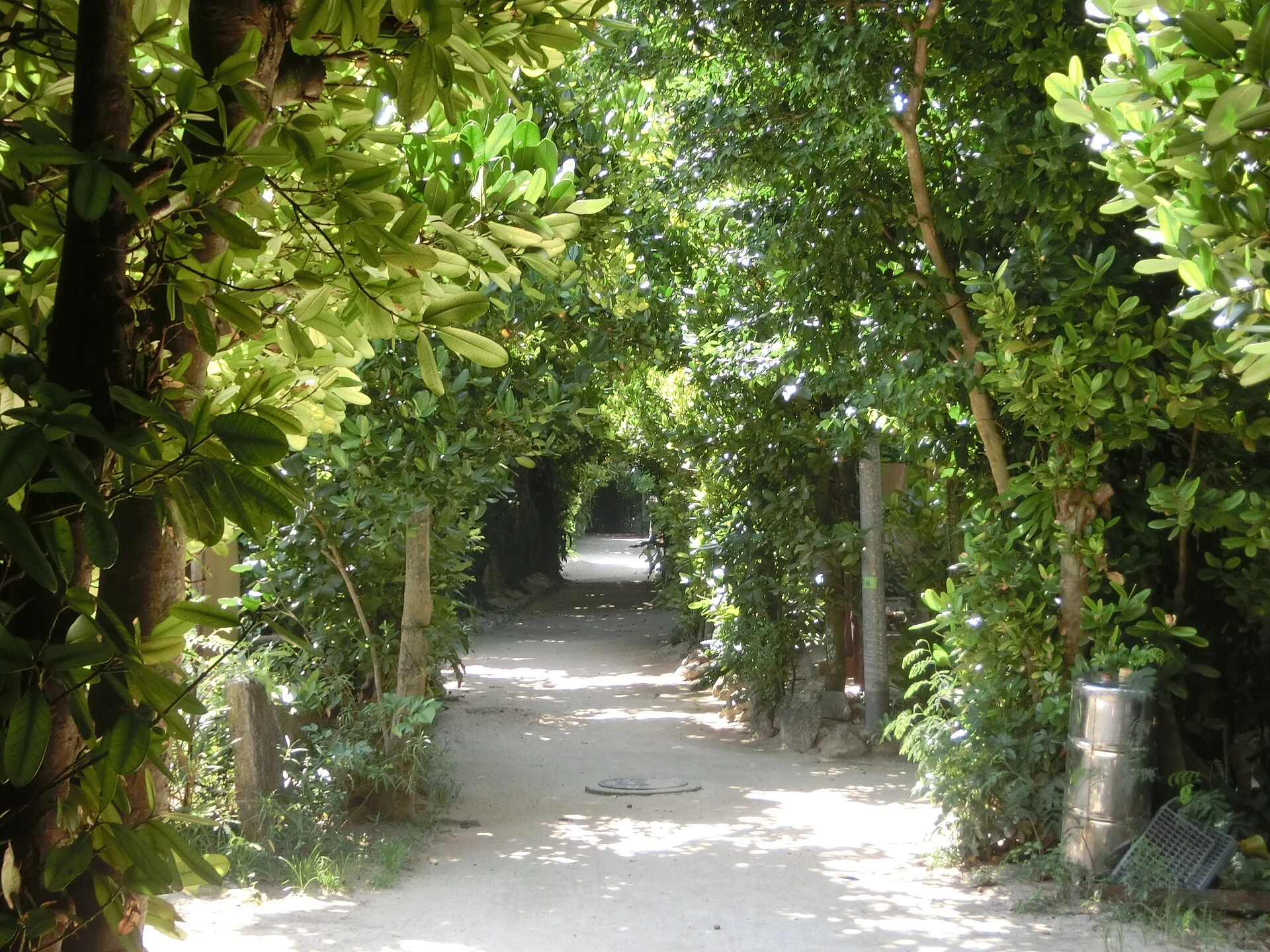
    A shaded fukugi-lined lane at Bise village in Motobu, photographed in September 2017
    Fukugi trees shading a lane in Bise

    Use our northern day-tour guide to decide whether the aquarium, Bise and Kouri combination matches the day you want. For a deeper visit to one attraction, use the aquarium guide or Kouri Island guide instead of adding more stops.

    Balance attractions, food stops and travel time

    For each day, add together all travel legs + parking/boarding and walking + visits + meals and breaks + return margin. Compare that total with the time you actually have. If it does not fit, remove a stop before moving everything closer together on the timetable.

    As a scale reference, Churaumi’s official access page estimates about two hours by car from Naha Airport using the expressway. That is an airport benchmark, not a fixed journey time from every Naha hotel. Pickup, traffic, stops and the walk to the entrance change the day. Source: aquarium access information.

    A worked planning check for an eight-hour window

    Suppose your available window is eight hours, and your own checked route allocates four hours to all travel, two and a half hours to your main visit and one hour to lunch and breaks. Only 30 minutes remain. That arithmetic does not support adding a separate attraction with another transfer.

    These numbers are an illustrative time-budget exercise, not measured travel times for a particular route. For your actual day, replace every allowance with a realistic estimate for the hotel, transport method and date. A driver or tour provider should approve a private route before you book its duration.

    Name the first stop you would remove

    Make the decision while planning, when the choices are easy. A group can agree that the aquarium is essential, the village walk is optional and the separate island detour belongs on another day if lunch or traffic takes longer. This keeps a small delay from becoming pressure to rush every later visit.

    Return time deserves particular care when you have a fixed dinner reservation, flight or cruise deadline. Explain that deadline to the transport provider. Extra touring hours, a different drop-off or a late return should never be assumed to be included.

    Make room for food and a realistic trip budget

    Food is part of the outing, not a task to squeeze into whatever minutes remain. Choose the area for lunch before choosing the restaurant. Keep a nearby alternative if your preferred place has a long wait, cannot seat your group together or does not suit everyone’s requirements.
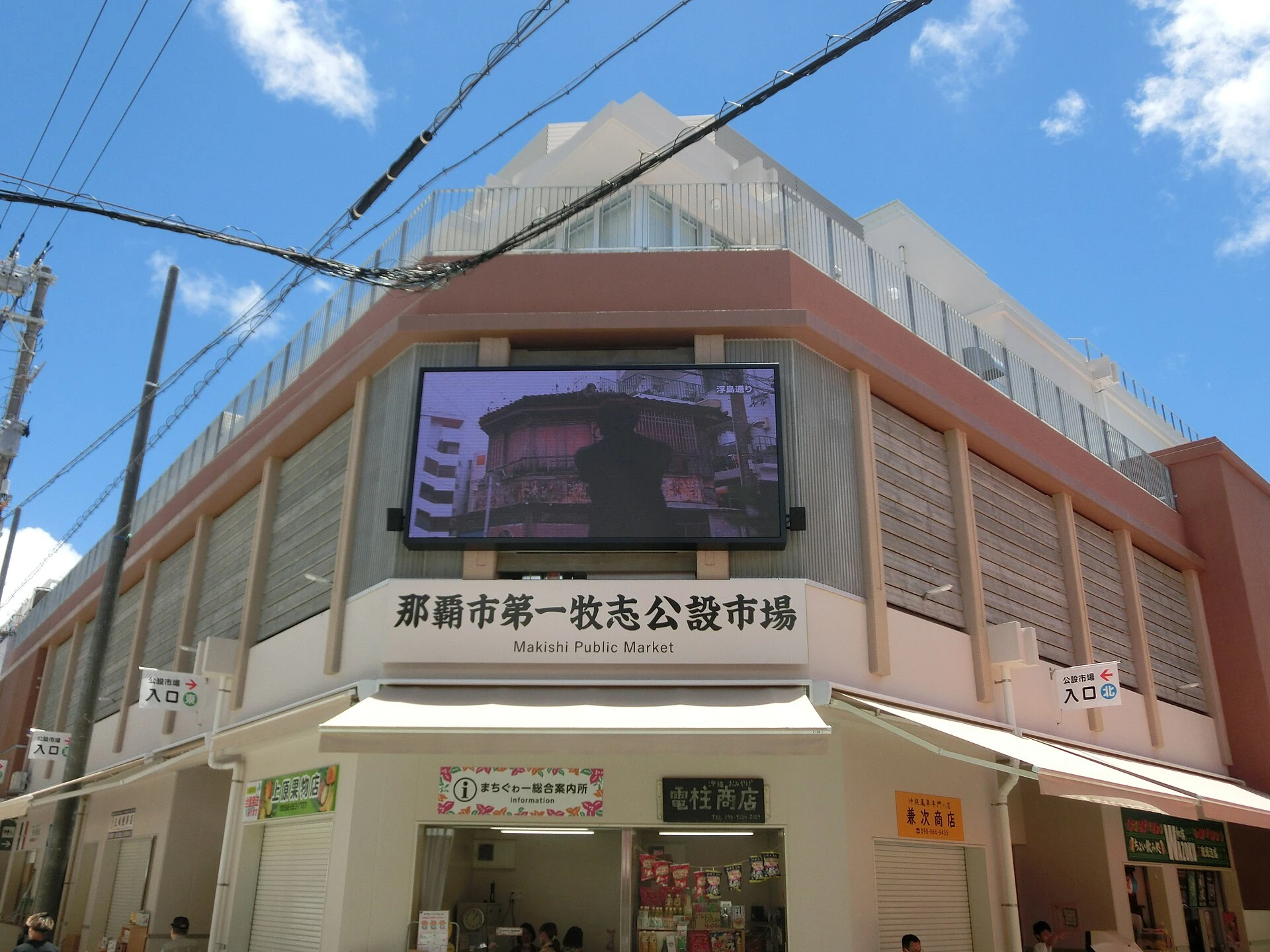
    The rebuilt Naha City First Makishi Public Market building under a blue sky in July 2023
    Makishi Public Market beneath a blue sky

    For a Naha day, Makishi Public Market can be a food-focused visit in its own right. For an excursion, a simpler meal in the area may preserve more time for your main attraction. Use the Okinawa food guide and Okinawa soba guide for ideas, then confirm the specific restaurant’s opening days, menu and dietary requirements.
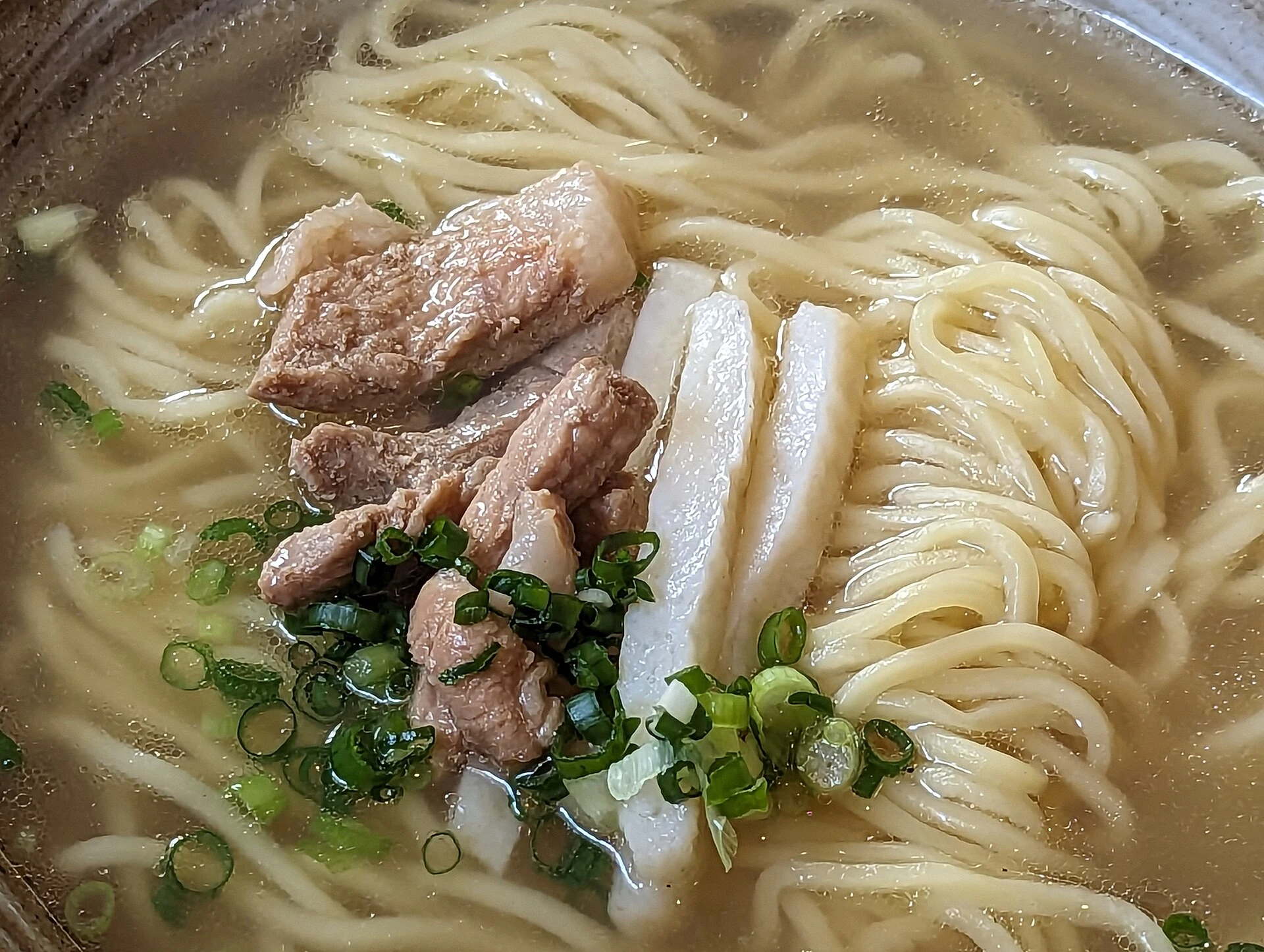
    A bowl of Okinawa soba in Yamabare with wheat noodles, pork, fish cake and chopped spring onion
    Okinawa soba with pork and spring onions

    Build your budget from the actual bookings: accommodation, airport journeys, daily transport, admission, food and activities. Compare the group total as well as the per-person figure. A private vehicle quote and a per-person sightseeing bus ticket cover different services and may include different extras.

    One useful admission example is Churaumi Aquarium: its published general ticket rates are ¥2,180 for adults, ¥1,440 for high-school students and ¥710 for elementary/junior-high-school students, with preschool children under six listed as free. Check the applicable school category and whether your tour already includes admission. These are attraction prices, not a whole-day budget. Source: official aquarium fees, checked 28 October 2026.

    Budget itemWhat to include
    HotelRoom configuration, meals you plan to use, parking and any separately charged facilities
    TransportAirport legs, sightseeing, return rides, tolls/parking and any extra-hour charges
    Activities and admissionActual passenger categories, equipment and package inclusions
    FoodRegular meals as well as special reservations, drinks and snacks
    ChangesCancellation terms and the cost of an alternative plan

    Choose a three-day, five-day or longer starting point

    Once your base, transport and pace are clear, pick the detailed route closest to your available sightseeing time. These are starting points to adapt, rather than a minimum number of days every traveller must spend.

    Available sightseeing timeA useful starting pointHow to adapt it
    About three full daysThree-day Okinawa itineraryChoose a few themes and keep optional stops light; do not count late arrival or early departure as full days
    About five days to work withFive-day Okinawa itineraryConsider more coastal time or a split stay, after accounting for your flight and hotel-change days
    A week or moreUse the same regional structure with longer staysAdd depth, rest or a separately planned island segment instead of automatically filling every day with another long drive

    For example, a family using a five-day outline might shorten its northern outing and protect a rest afternoon. A couple might give more time to culture and food. A group might use one longer shared outing and leave another day open for different interests. The framework stays the same; the priorities change.

    Keep weather and hotel time flexible

    Keep a short list of alternatives near each day’s area. In ordinary rain, a group may prefer an indoor visit or a longer meal. Severe weather, closures or transport disruption need a different response: check current official and operator notices and discuss changing the outing.

    The aquarium lists regular opening hours of 08:30–18:30, last admission 17:30, with possible changes and exceptional closures. An indoor attraction still needs a workable and appropriate journey to reach it. Source: official aquarium opening and closure information.
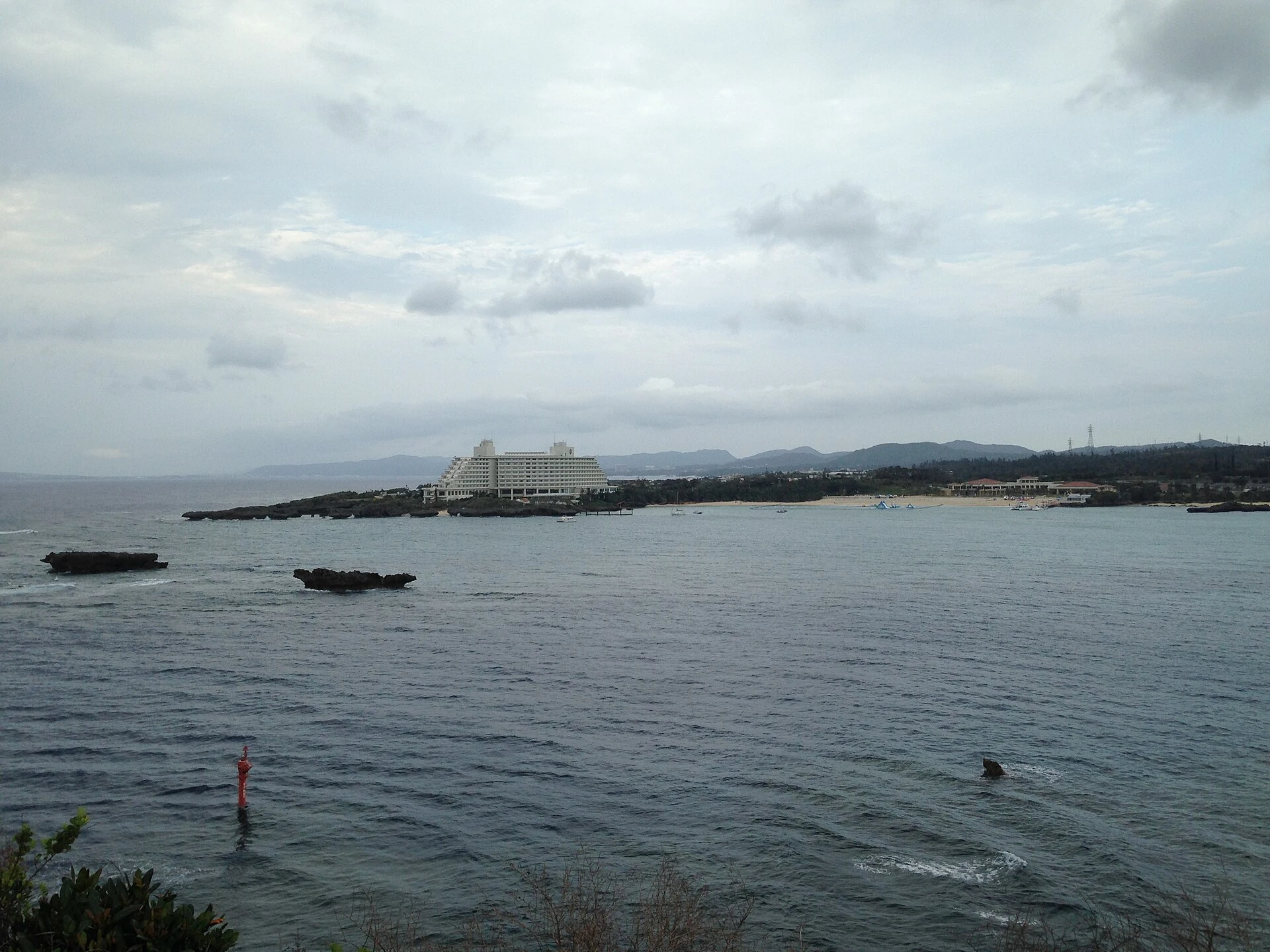
    Manza Beach and the resort peninsula viewed across the sea from Cape Manzamo in March 2015
    Manza Beach and the Onna coastline

    If you choose a resort for its pool, beach or activities, put time to use those facilities into the plan. Confirm operating dates, hours, charges and any participation conditions directly with the hotel. A photograph cannot confirm that a facility will be open when you travel.

    For a broader seasonal decision, read our best-time-to-visit guide. Once dates are fixed, plan around current conditions rather than expecting a particular weather pattern to guarantee an activity.

    Book your Okinawa itinerary in the right order

    1. Confirm the trip boundaries. Record island, flight times, usable days and fixed deadlines.
    2. Collect the party’s requirements. Priorities, children’s ages, walking/boarding needs and luggage.
    3. Sketch regional outings. One clear focus per day, with an optional addition.
    4. Check transport and hotel together. Make sure the longest day and airport journeys are workable.
    5. Reserve time-sensitive activities. Check availability, meeting points and cancellation conditions before building other stops around them.
    6. Fill in meals and breaks. Confirm important restaurant bookings and keep simpler alternatives.
    7. Share the practical version. Give the group addresses, departure times, meeting points and on-the-day contact details.

    For a private transport enquiry, send your date, exact hotels, group and luggage details, main priorities and latest return time. Explain whether you want a guide or primarily a vehicle and driver. Confirm the agreed route, vehicle, hours, quote inclusions and communication arrangements before booking.

    Okinawa itinerary FAQ

    How many days should I allow for an Okinawa itinerary?

    Count full sightseeing days first. Three full days can give you a focused introduction to the main island; a longer stay gives more room for the coast, rest and different interests. Choose the detailed three-day or five-day guide as a starting point and adapt it to your flights and pace.

    Should I book my Okinawa hotel before planning the route?

    Sketch your main outings and check transport before committing. The hotel and route should work together. A beautiful resort can be the right choice when you have time to use it and a workable plan for the outings beyond it.

    Can I follow an Okinawa itinerary without renting a car?

    Yes, with a suitable base and a transport plan for each outing. Use Naha’s monorail corridor where it helps, then check buses, shared tours, taxis or private transport for places beyond it. Do not assume the return journey will be as easy to arrange as the outward one.

    How should an Okinawa itinerary change with young children?

    Plan around their ages, usual breaks and interests. Protect meal and rest time, check facilities, and keep extra stops optional. Confirm an activity’s participation rules and any vehicle seating needs with the provider before paying.

    What should couples include in an Okinawa itinerary?

    Choose experiences you both want to enjoy, whether that is culture, food, the coast or an activity. Agree the balance between early outings and slow mornings, and leave enough time for the experiences you value most.

    Is it worth splitting the stay between Naha and the coast?

    Compare the travel you would save with the work of changing hotels. A split can suit a trip with distinct city and coastal priorities. One base can be simpler on a shorter stay, especially when luggage and check-in arrangements would take much of a day.

    Can I include Ishigaki or Miyako in this main-island route?

    They need their own transport and accommodation arrangements. Treat the move as an island-to-island travel segment and allow time to enjoy the new base. Do not add it as if it were another stop along the main island’s road network.

    Do I need a private driver for every day?

    Choose transport day by day. A local Naha outing and a distant sightseeing day can call for different arrangements. Private transport may help with an agreed custom route or particular group requirements; compare the complete service with other workable options.
  • Okinawa Day Tour from Naha: Churaumi, Bise and Kouri Island

    Okinawa Day Tour from Naha: Churaumi, Bise and Kouri Island

    An Okinawa day tour from Naha can bring together the aquarium, a shaded village walk and a bridge over turquoise water. The enjoyable version starts with enough time for the road—and a clear idea of which stops matter most to you.

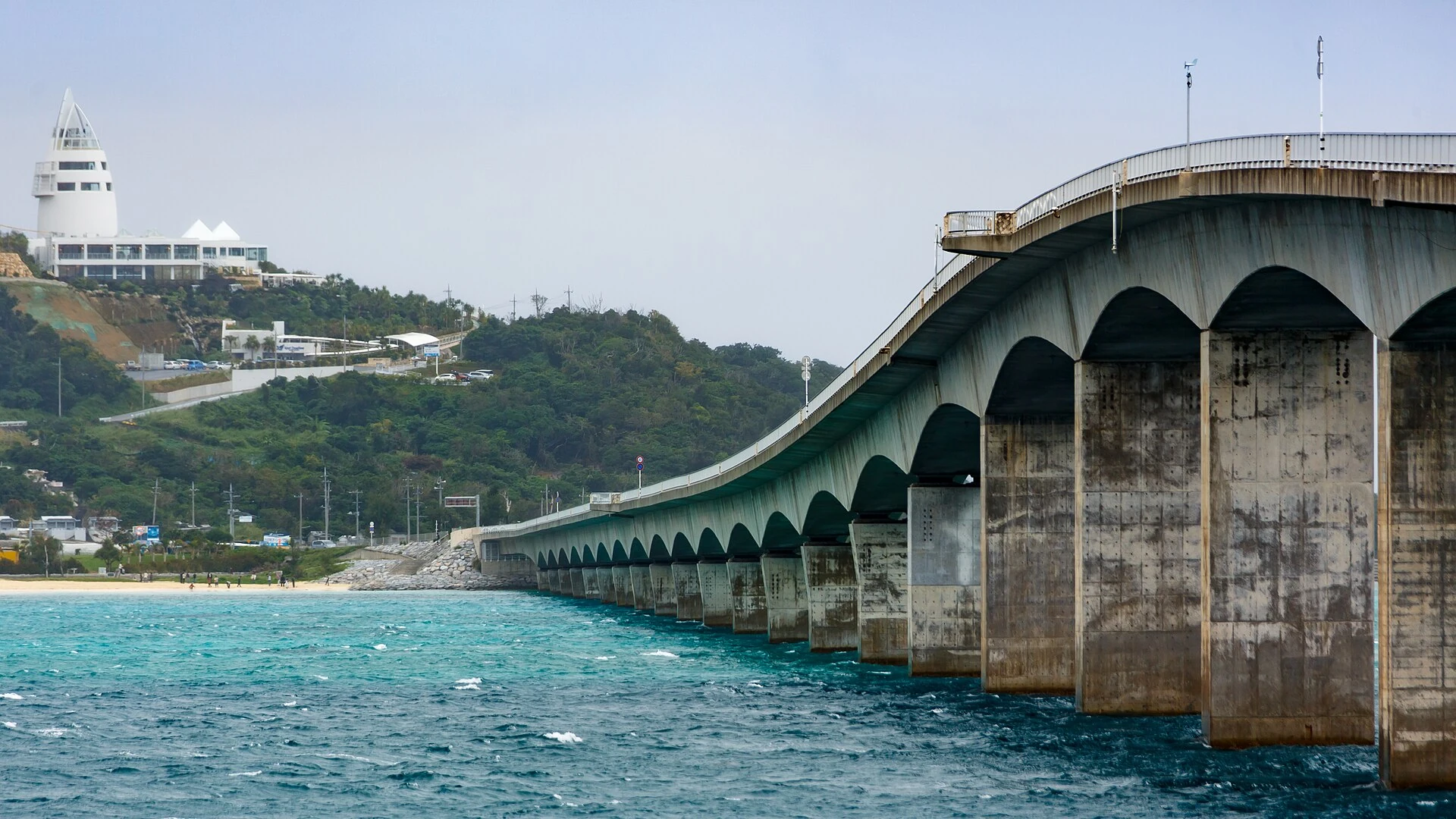
    The concrete arches of Kouri Bridge above clear turquoise sea, with Kouri Ocean Tower visible on the island hillside
    Kouri Bridge seen from the shore

    This guide focuses on a single day on northern Okinawa’s main island. It helps you choose between a shared sightseeing bus, a private vehicle with a driver and an independently organised outing. For a wider holiday, use our three-day itinerary or five-day itinerary. For a simple aquarium return journey, see the Naha-to-Churaumi transport guide.

    Is this the right Okinawa day tour for your trip?

    Choose this northern route if the aquarium is a priority and you would also like a taste of village scenery and the coast. It works best on a day when you can leave early, return in the evening and keep dinner flexible. It is a substantial road trip, rather than a collection of sights close to central Naha.

    As a useful scale reference, the aquarium’s own access page estimates about two hours by car from Naha Airport using the expressway. Your Naha hotel is a different starting point; road conditions, pickup time and breaks change the result. Do not treat that airport estimate as a fixed hotel-to-entrance journey time. Source: Churaumi Aquarium access information.

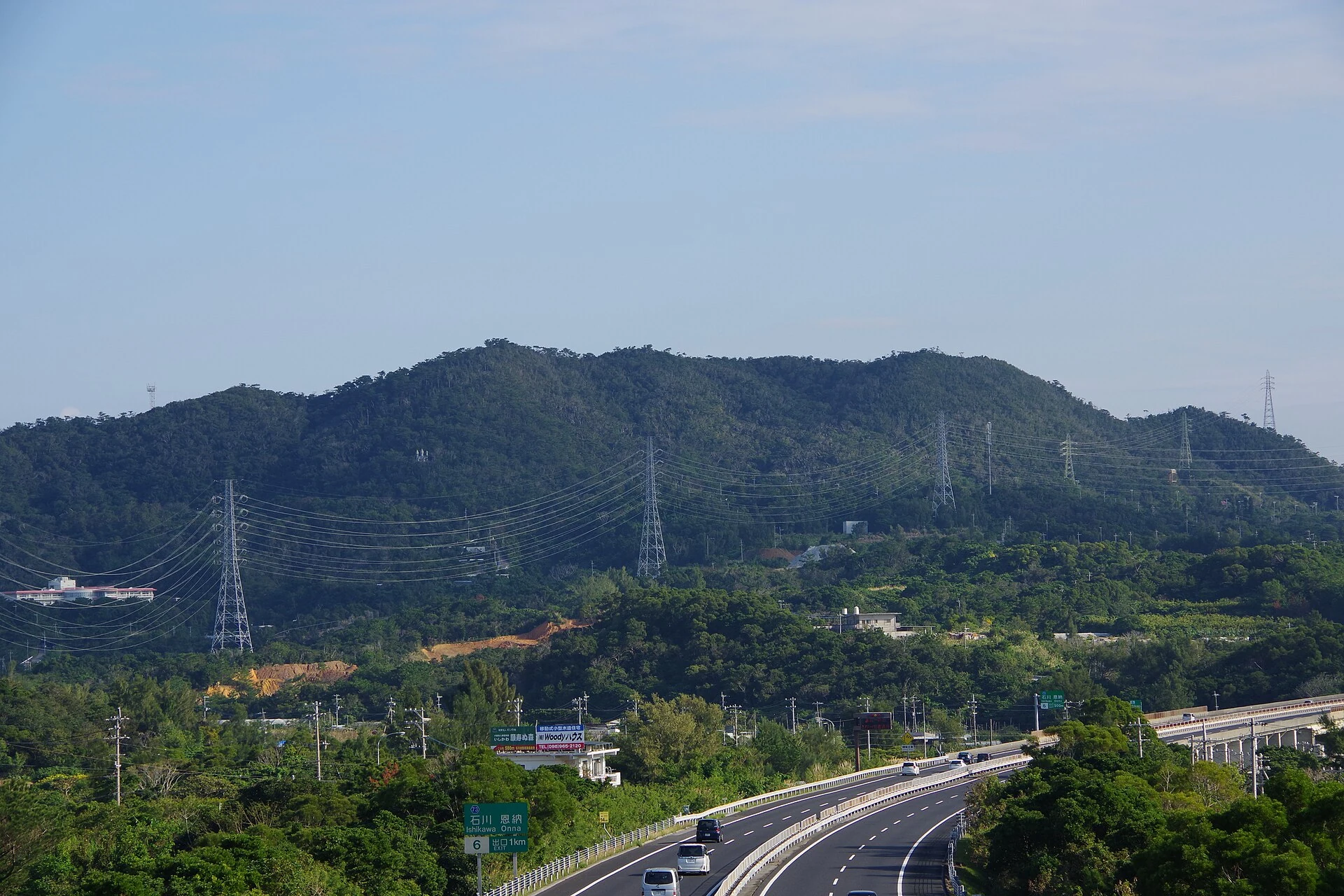
    Okinawa Expressway with Mount Ishikawa beyond the road
    Okinawa Expressway beneath Mount Ishikawa

    Give this route another day if you have a firm afternoon appointment, a cruise all-aboard deadline or a flight that evening. A northbound detour is harder to shorten once you are far from Naha. For a shorter sightseeing window, a Naha-focused day with Shurijo Castle Park and Makishi Public Market may be easier to shape around your deadline.

    Also separate road-based northern sightseeing from a Kerama Islands boat trip. Those are different day-tour choices with different departure arrangements; they do not belong in this one-day driving loop.

    Okinawa sightseeing bus or private tour: which fits?

    A shared tour is useful when its published route already matches your priorities. A private arrangement is useful when your group needs a particular pickup, different stop lengths or a deliberate combination of Bise and Kouri. Read the actual itinerary before comparing the headline price.

    OptionWhat it suitsWhat to check
    Shared sightseeing busTravellers happy to follow one fixed route and return with the groupMeeting point, time at each attraction, entry tickets, meal arrangements and commentary language
    Private vehicle with a driverA group wanting agreed pickup and flexibility within a feasible dayTotal duty hours, route approval, vehicle capacity, tolls, admission fees and any extra-hour charge
    Independent transportAn aquarium-focused visit, or confident self-drivers who want to control the scheduleReturn arrangements, driving eligibility if hiring a car, parking and time lost changing transport

    Two published bus routes—and an important difference

    For a concrete comparison, the operator Okinawa Hip Hop Bus publishes the following examples. These are third-party products, separate from OkinawaVia services. Prices and details were checked on 27 October 2026; confirm the version for your travel date before paying.

    Operator exampleAdult price listedRelevant route difference
    Hip Hop Bus A¥7,000 per adultIncludes Churaumi and Kouri, plus Nago Pineapple Park and Cape Manzamo; Bise is not listed. Aquarium/park block about 150 minutes; Kouri about 25 minutes. Lunch excluded.
    Hip Hop Bus B-1¥7,900 per adultIncludes Churaumi, Tropical Dream Center, Bise, Cape Manza and American Village; Kouri is not listed. The park block is shared between facilities. Lunch excluded.

    Neither of these two published itineraries is the exact three-stop custom route below. A stop mentioned in a tour title also tells you little about the time you will actually have there. A brief beach stop is a different experience from a leisurely island visit.

    Check whether “English” means recorded audio, an English-speaking tour guide, or English booking support. Hip Hop Bus describes multilingual audio and a tour conductor; do not assume that every commentary arrangement is a live guided tour. For the wider differences between guiding, transport and a private charter, read our private-driver booking guide.

    A northern Okinawa day tour route from Naha

    Suggested sequence: Naha → Churaumi Aquarium → Bise → Kouri Island → Naha. Keeping the aquarium and nearby Bise together avoids splitting the Motobu part of the day. Putting the main indoor attraction first also protects it from the temptation to spend too long at early photo stops.

    The times below are our planning allocations, not measured live traffic predictions or an operator timetable. They assume an agreed early Naha pickup, road travel with a car or private driver, short walks, no swimming and no additional paid attractions. Have the driver or transport provider approve the route and return target for your hotel and date.

    Example timePlanWhat the allowance covers
    07:30–10:00Naha to Ocean Expo ParkNorthbound road travel, a practical break, parking and the approach to the aquarium
    10:00–12:30Churaumi AquariumA focused aquarium visit; choose exhibits rather than trying to cover the whole park
    12:30–13:15LunchEat near the aquarium/park area; a queue may require shortening a later optional stop
    13:15–13:30Move to BiseRegroup, reach the vehicle and agree the walking pickup point
    13:30–14:15Bise village walkA short introduction to the shaded lanes, rather than a complete village-and-cape exploration
    14:15–15:00Bise to KouriAn allocated transfer block; exact road time and parking depend on conditions
    15:00–16:00Kouri bridge area and beachA short shore visit, photographs and a comfort break
    16:00–18:30Return to NahaA deliberately generous return block; congestion can still extend the day

    The outbound and return blocks contain planning margin. They are not a guarantee that all delays will be absorbed. If you lose substantial time early, reduce the later programme instead of moving your return deadline without agreement. The end time also needs to fit the booked vehicle’s hours.

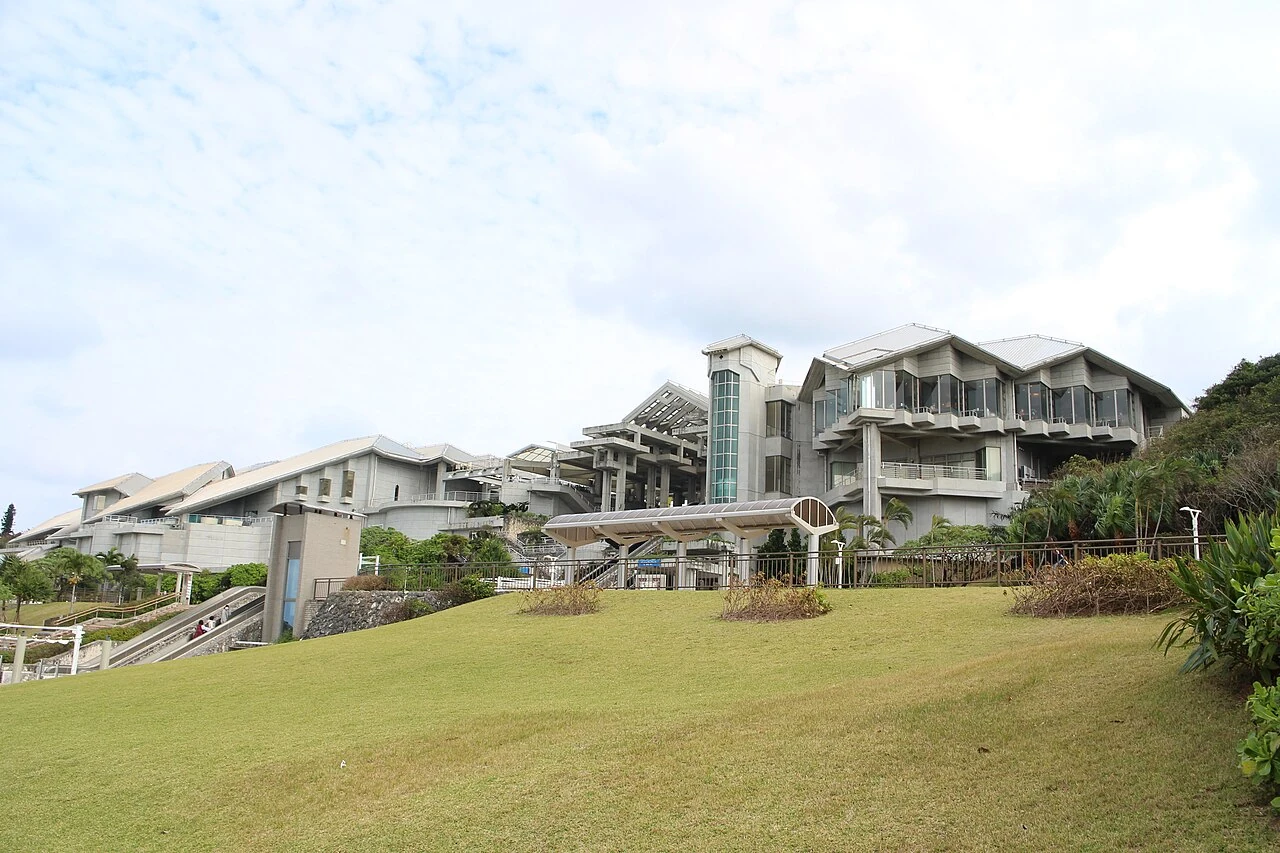
    Churaumi Aquarium building and green lawn in Ocean Expo Park, photographed in 2022
    Churaumi Aquarium in Ocean Expo Park

    Churaumi Aquarium, Bise and Kouri Island: time at each stop

    Churaumi Aquarium: give your main attraction a proper block

    Start with the exhibits your group most wants to see, then let the remaining time determine the rest. The sample reserves two and a half hours inside the aquarium, with lunch outside that block. If you want slow viewing, several scheduled programmes or a substantial tour of Ocean Expo Park, shorten the rest of the day.

    At the time of checking, the aquarium lists its regular hours as 08:30–18:30, with last admission at 17:30. Extended hours and exceptional closures must be checked for your date. A late admission cutoff is not a sensible target for this three-stop route. Source: official aquarium hours.

    Wide view of the Kuroshio Sea tank and visitors at Churaumi Aquarium, photographed in 2012
    Visitors beside the Kuroshio Sea tank

    Keep the aquarium visit distinct from the rest of Ocean Expo Park. You can spend extra time around the park, but that time has to come from somewhere. Our Churaumi Aquarium guide helps you decide what deserves that extra time.

    Bise: a short village walk or a longer destination in its own right

    The official Okinawa tourism itinerary places Bise about five minutes by car from the aquarium and suggests one to two hours for a fuller visit. Our 45-minute block is intentionally a shorter taste. It is not enough to promise a complete cycle ride, an unhurried café stop and time at the cape. Source: VISIT OKINAWA JAPAN, Bise visit planning.

    Shaded path between fukugi trees in Bise village near Ocean Expo Park
    Fukugi trees shading a lane in Bise

    Agree a meeting point before setting off. Choose a simple out-and-back walk or a clearly understood short loop, rather than assuming your driver can wait on any lane. Treat the houses as people’s homes: keep voices low, avoid private yards and leave space for residents and other road users. For an extended walk or bicycle hire, make Bise the second main attraction and leave Kouri for another day.

    Kouri Island: focus on the bridge and main beach

    Kouri is connected by road through Yagaji Island, so this part of the outing needs no ferry. The main beach lies at the island end of the bridge. That makes the bridge-and-beach area a practical focus for a short first visit. The northern beaches and Heart Rock are elsewhere on the island and require additional movement. Source: official Kouri Island destination guide.

    Kouri Beach on the east side of the bridge, with white sand, beach umbrellas and turquoise water in June 2024
    White sand and clear water at Kouri Beach

    Use the hour for a stroll, photographs, a drink and a comfort break. Do not budget the same hour for swimming, changing clothes, a restaurant meal and another attraction. If Kouri is the highlight of your trip, give it more time and reduce the aquarium or village programme. The Kouri Island guide covers a fuller visit.

    How to prioritise stops without rushing

    Choose an anchor attraction and a first stop to drop. This is more useful than a long wish list with every destination marked essential. Tell everyone in the group the tradeoff before departure, especially if the aquarium is one person’s priority and the beach is another’s.

    Your priorityKeepSimplify
    Aquarium with young childrenChuraumi, lunch and flexible breaksChoose one short outdoor stop, or stay around the park
    Village lanes and a slower lunchChuraumi and BiseLeave out Kouri and use the saved road time locally
    Bridge and coastal photographsChuraumi and KouriLeave out Bise; agree where photographs can be taken safely
    Heart Rock or Ocean TowerA longer Kouri visitReplace another stop; confirm any separate admission or parking charge
    A firm, shorter vehicle bookingOne main attraction plus a nearby optional stopAsk for a revised route before booking the hours
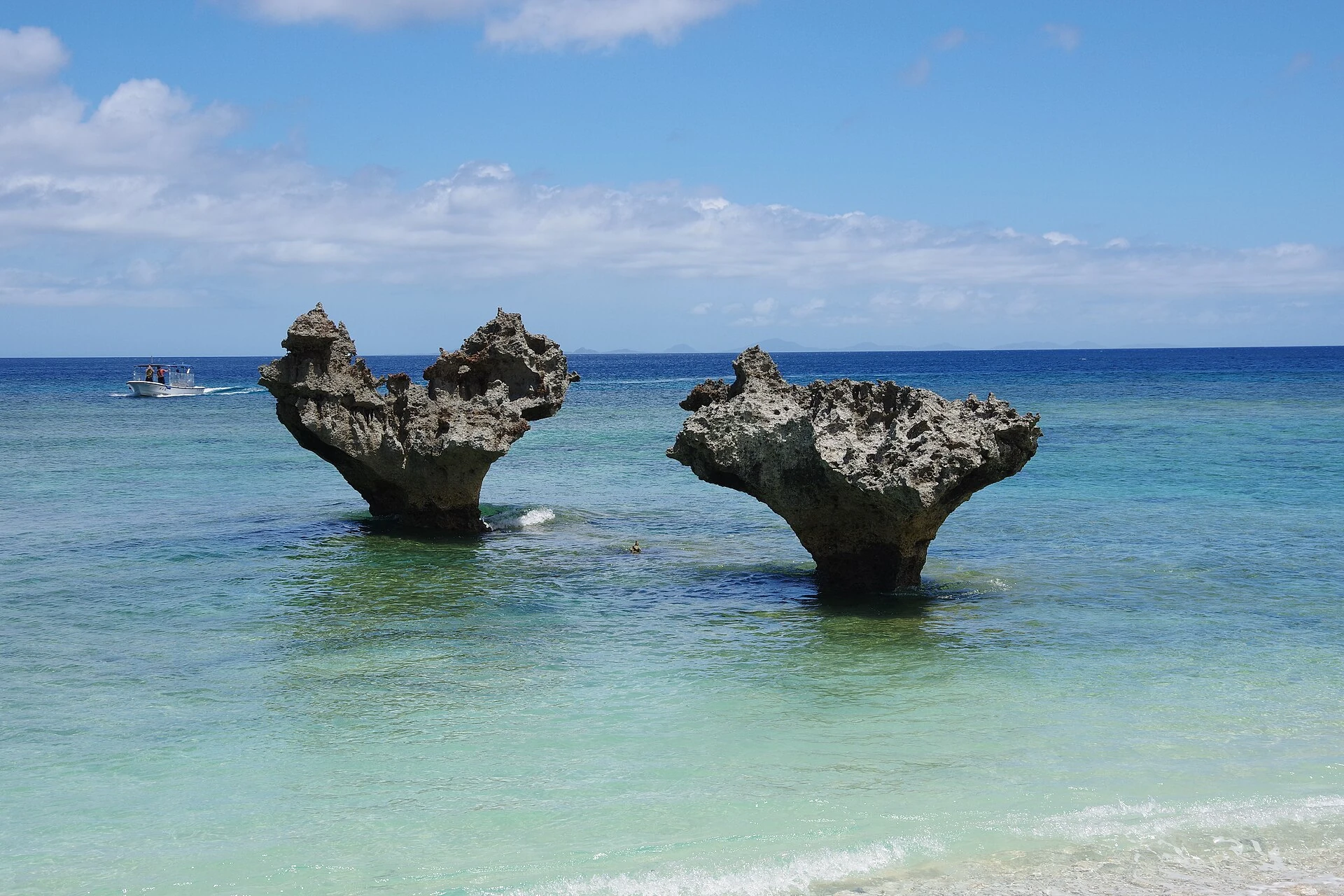
    Two heart-shaped rock formations standing in the shallow turquoise sea at Tinu Beach on Kouri Island in June 2020
    Heart Rock at Tinu Beach

    Do not add Cape Manzamo, Nago Pineapple Park, American Village, Nakijin Castle and a long beach stop to this model simply because another tour lists some of them. Shared tours choose different stop lengths and sequences. A list of places is not evidence that your preferred version fits.

    A helpful decision point is the end of lunch: check road conditions, the time remaining and how the group feels. If you are behind, the short village walk can be reduced or the separate Kouri leg removed. Agree the change with the provider; do not assume extra hours or a different drop-off are automatically included.

    Adapting the day for your pickup location

    From Naha: allow for the complete return journey

    Give the exact hotel name and address. A central Naha hotel, an airport terminal and a cruise berth are different meeting arrangements. Shared buses normally use named boarding points, so include the time needed to reach one and arrive before the stated departure.

    A private pickup can simplify the start, but it does not remove the distance to the north. If you have an evening reservation, explain that it is a hard deadline and ask whether the itinerary should be shortened.

    From Chatan or Onna: rebuild the timing around your hotel

    A resort pickup may reduce the northbound journey compared with starting in Naha. The amount depends on the hotel and the route; Onna is an area, not one pickup point. Use any saved time deliberately: a later start, more time at the aquarium or a longer coastal stop.

    Manza Beach and the resort peninsula viewed across the sea from Cape Manzamo in March 2015
    Manza Beach and the Onna coastline

    Do not assume a Naha-departure shared tour will collect you from any resort along the way. Check its published boarding list. If you plan to end at a different hotel, confirm luggage space and the final drop-off in advance. Our Okinawa accommodation-area guide explains the wider tradeoffs between these bases.

    From Motobu or Nago: make the most of being nearer

    If you already sleep in the north, do not copy the early departure and long return blocks from the Naha model. A local outing can give Bise or Kouri substantially more attention. Explain whether you want to return to the same hotel or continue south after sightseeing.

    What will your Okinawa day tour cost?

    Compare the whole day for your actual party. A shared tour normally has a per-person price, while private transport may be quoted for a vehicle and an agreed number of hours. A lower starting price can cover a different route, a different vehicle or fewer inclusions.

    For independent admission, Churaumi’s official general ticket prices are ¥2,180 for adults, ¥1,440 for high-school students and ¥710 for elementary/junior-high-school students; preschool children under six are listed as free. Confirm the applicable school category when booking. For example, two adults and two children in the ¥710 category total ¥5,780 for aquarium admission alone. Do not add this again if your chosen package already includes their tickets. Source: official aquarium admission fees.

    Budget lineQuestion to ask
    TransportIs the quote per person or per vehicle, and what are the start and end points?
    HoursDoes the price cover the full planned day, including waiting? What happens if it runs longer?
    Road and parking chargesAre expressway tolls and any parking charges included?
    AdmissionWhich tickets are included, for which passengers? Are optional attractions separate?
    Meals and activitiesDoes lunch, bicycle hire or another activity need a separate budget?
    Vehicle and supportAre child seats, luggage needs and any guiding/language service included in writing?

    The aquarium states that Ocean Expo Park parking is free. That does not establish the charge at every other stop or remove a transport provider’s other costs. Source: official parking information. For a private arrangement, use the pricing and quotation guidance and request an itinerary-specific total.

    What to confirm before booking a day tour

    • Route: exact attractions, planned time at each and your first optional stop to remove.
    • Meeting: full hotel/boarding-point name, meeting time, departure time and return point.
    • Language: live guiding, recorded audio or booking support; these serve different needs.
    • Capacity: every adult and child, child-seat requirements, pushchairs, wheelchairs and luggage.
    • Meals: whether lunch is included, dietary requirements and time available to eat.
    • Total price: transport, tickets, tolls, parking, waiting and extra-hour terms.
    • Disruption: weather cancellation, refunds, route changes and the contact method on the day.

    Send the short version first: “We are staying at [hotel] on [date], travelling with [party details]. Our priority is [place]. We would also like [optional stops] and need to return by [time].” That gives a provider enough context to identify a practical route before discussing additions.

    Weather, children and accessibility

    A mixed indoor-and-outdoor route is adaptable, but an indoor first stop does not make the whole road journey weatherproof. On an ordinary wet day, you may prefer a longer aquarium visit and shorter walks. If warnings, transport disruption or closures affect the trip, follow current official and operator advice rather than trying to preserve every stop. Check the aquarium’s opening/closure information before departure.

    For children, protect lunch, toilet breaks and the journey home before adding another attraction. A late start may call for a shorter route, rather than a faster pace. Tell the provider children’s ages and seating needs when arranging the vehicle.

    For limited mobility, describe walking distance, steps, transfer needs and any mobility device accurately. The aquarium publishes accessibility information, but that alone does not establish the suitability of every Bise lane, beach approach or vehicle. Confirm the actual route and boarding arrangements. A shorter outdoor loop or a seated view may suit the group better.

    Keep coastal sightseeing separate from swimming. A photo stop is not a supervised beach session. The official Kouri guide notes that some northern beaches have no facilities or lifeguards; do not infer that every attractive shoreline is suitable for entering the water. Plan any swimming as its own activity with appropriate local conditions and supervision.

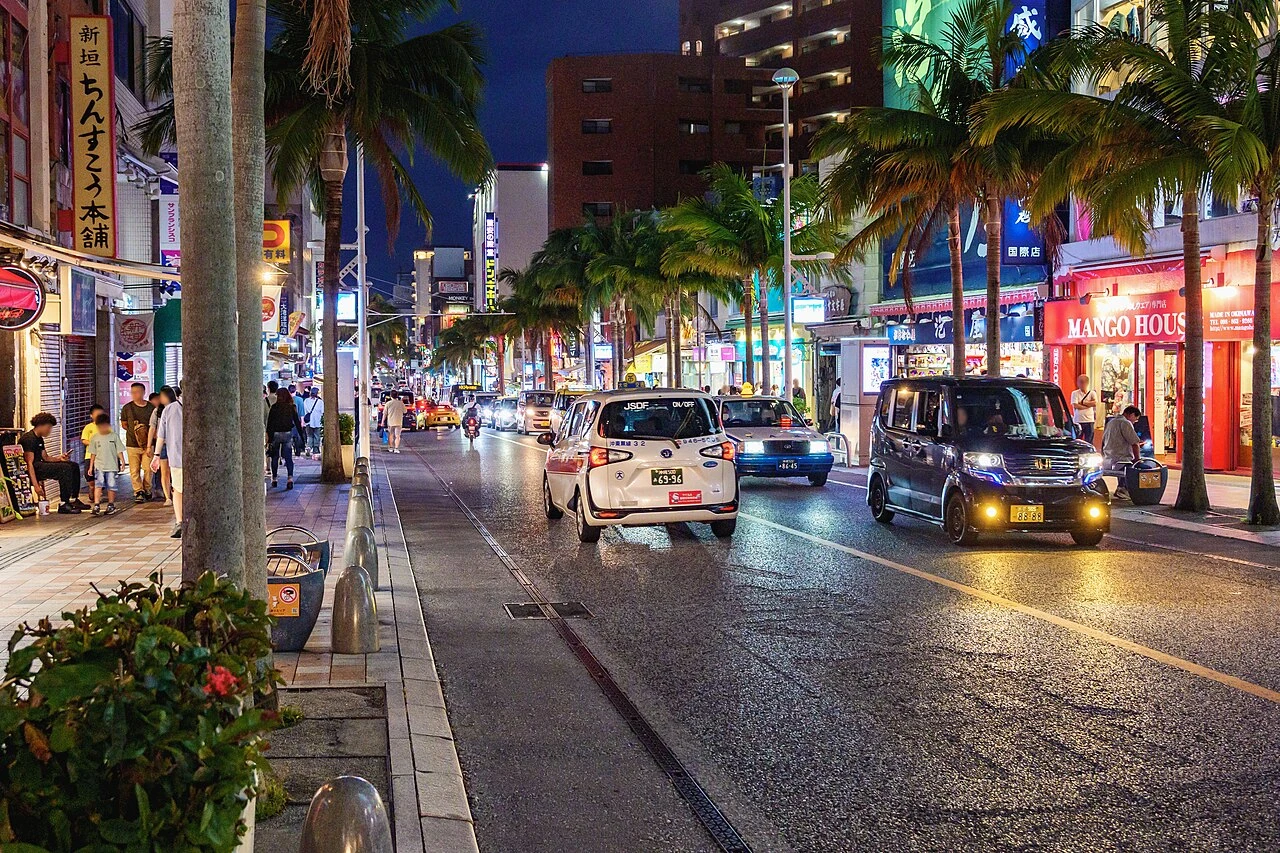
    People walking along illuminated Kokusai Street in Naha at dusk
    Kokusai Street in Naha at dusk

    Leave the first evening after the outing flexible. Return to your hotel, then choose dinner according to the time and your energy. If you would like ideas without a fixed restaurant booking, browse our Okinawa food guide.

    Okinawa day tour FAQ

    Can I visit Churaumi, Bise and Kouri in one day from Naha?

    They can form a full northern outing when the route is agreed and the outdoor visits stay short. Our example allows about 11 hours. If you want long aquarium viewing, a full Bise walk or more island time, choose two stops or stay overnight in the north.

    Is an eight-hour private booking enough for all three?

    Do not assume so. Eight hours includes the return road journey and waiting, not just sightseeing. Ask the provider to approve the itinerary from your exact hotel; simplifying to the aquarium plus one outdoor stop gives more room for lunch and delays.

    Does every northern bus tour include Bise and Kouri?

    No. Check the individual itinerary. The two Hip Hop Bus examples above include different combinations. Other operators may offer different routes, but a broad “northern Okinawa” label is not enough to establish the stops or their duration.

    Does an English tour listing guarantee an English-speaking guide?

    No. Confirm whether you are buying live guiding, recorded commentary or transport with booking support. Ask what communication is available during the journey and at the attractions.

    Do I need a ferry to Kouri Island?

    No ferry is needed for this route. Kouri is road-connected through Yagaji Island. This is a different day-trip choice from visiting the Kerama Islands by boat.

    What should I change if it rains?

    For ordinary rain, consider keeping the aquarium and reducing outdoor walking. For severe weather or closures, follow operator and official instructions and discuss cancellation or rescheduling. Check the terms before booking.

    Can I do this before an evening flight or cruise departure?

    A fixed travel deadline changes the risk and available time. Do not copy this sightseeing model into a flight or cruise day. Give the provider your exact check-in/all-aboard deadline and ask for a shorter, conservative plan.

    Should I buy aquarium tickets separately?

    Check your package inclusions first. Some shared tours include admission; private transport does not automatically include attraction tickets. Confirm passenger categories and avoid paying for tickets twice.

    Choose between a fixed departure and a private day

    For a fixed tour, compare the meeting point, return time and actual aquarium stay. For a private day, provide your hotel and preferred pace, then confirm the feasible route and booked hours. A longer list of attractions can mean less time at each one.

    Families should state child ages, seats, stroller and suitcase needs before a vehicle is confirmed. If you are moving hotels, include the full luggage load and the new address. Driver language and an accompanying sightseeing guide are separate matters to request explicitly.

  • Okinawa Taxi Fare Guide: Naha Rides, Airports and Sightseeing

    Okinawa Taxi Fare Guide: Naha Rides, Airports and Sightseeing

    An Okinawa taxi is useful for a hotel-to-restaurant ride, a rainy afternoon in Naha or the last few kilometres after a bus journey. A resort transfer or a day in the north needs more planning: the fare is only one question, and getting a car back is another.

    Compare the Okinawa taxi fare for a direct journey with the route and agreed hours of a private charter when you are planning several sightseeing stops.

    This guide covers Okinawa Main Island, including Naha, Chatan, Onna and the Motobu area. It explains the meter schedule checked on 26 October 2026, how to find and pay for a taxi, and when to compare a direct ride with a reserved transfer or sightseeing charter. Ishigaki, Miyako and other islands have separate fare arrangements.

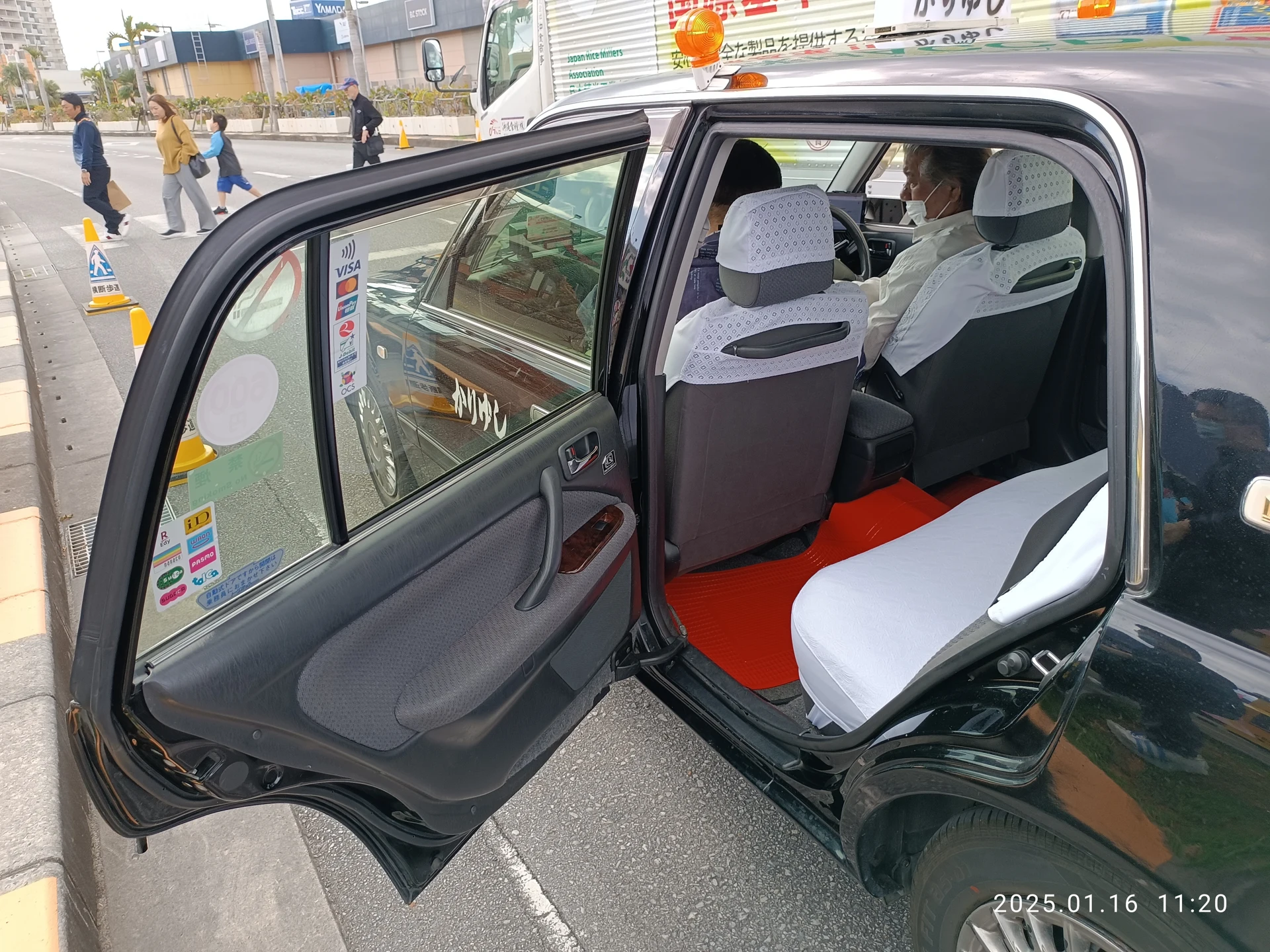
    Open rear passenger door of an Okinawa taxi near Ashibinaa in Tomigusuku, January 2025
    A taxi near Ashibinaa in Tomigusuku

    Using taxis in Naha and around Okinawa

    Choose a taxi for a specific journey, rather than assuming you need a car for every part of your holiday. In Naha, walking and Yui Rail may cover much of a city day; a taxi can fill the awkward gap between a station and a hotel, carry shopping, or avoid a difficult walk. Our Okinawa without a car guide helps you choose a base around that approach.

    Outside the city, build the plan around the actual entrance and pickup point. A beach, restaurant and resort sharing the same town name can still require different journeys. Give the driver the property’s full name and Japanese address, and keep the map pin available offline. For a return journey, save the departure point too.

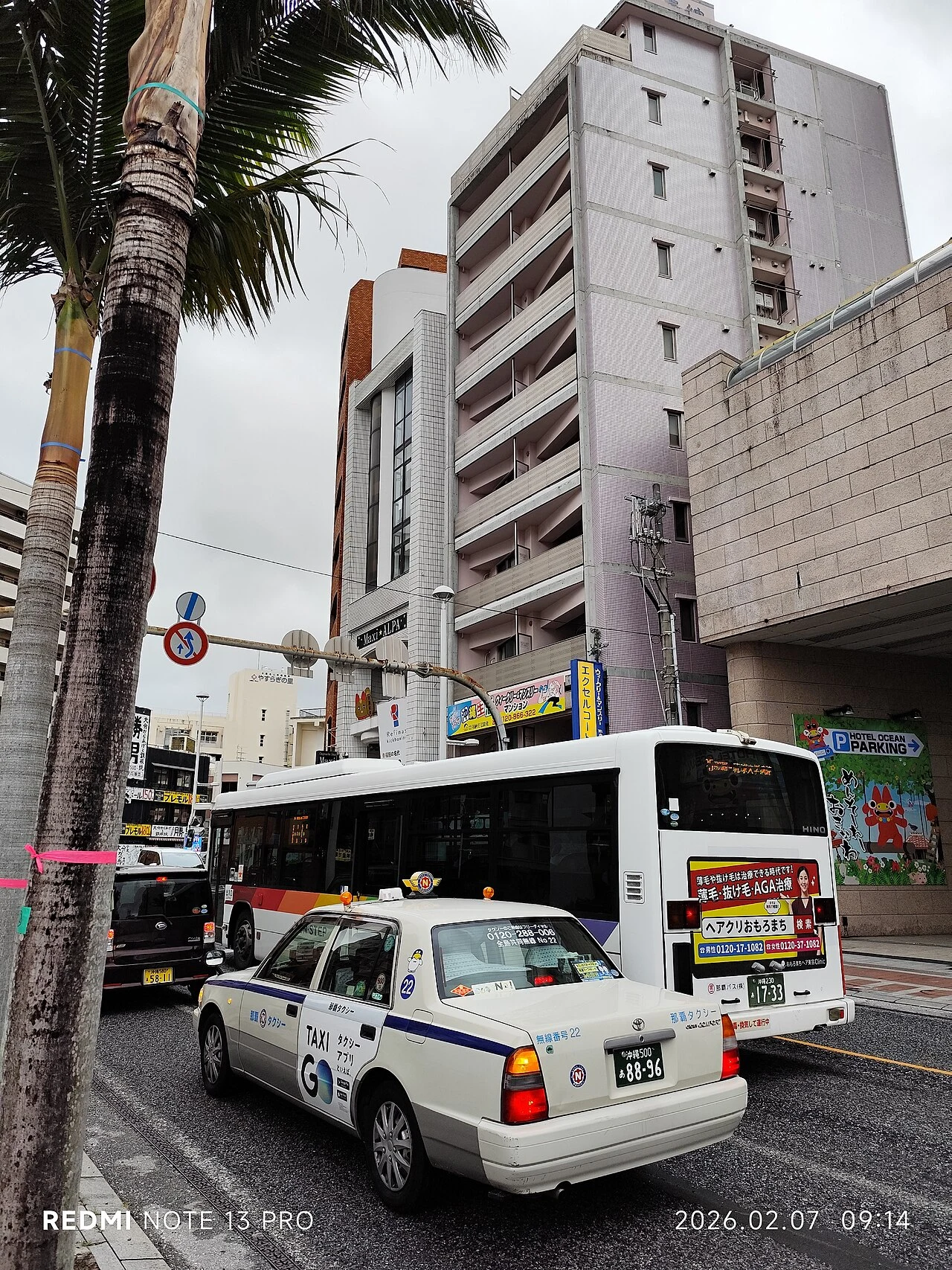
    A white taxi and city bus on Kokusai-dori near Asato in Naha, February 2026
    A taxi and bus on Kokusai Street

    A Naha detail that matters: the Kokusai-dori shopping association schedules its Sunday transit mall from noon to 6 pm, subject to cancellation. Traffic restrictions affect access to the street. Arrange a reachable side-street or hotel pickup with the driver rather than placing a pin in the pedestrian area. Check the official transit-mall notice for current arrangements.

    Okinawa taxi fares: understand the meter

    The current ordinary-taxi reference

    The Okinawa Hire-Taxi Association’s main-island corporate-taxi upper-limit schedule, dated 24 August 2026, lists these ordinary-taxi rates. They are not a guaranteed price for every operator or vehicle. See the association’s fare table.

    Meter componentOrdinary taxi referenceMeaning for your journey
    Initial fare¥650 for the first 1.65 kmA shorter ride still starts with the initial fare.
    Further distance¥100 per additional 350 mThe road route matters, not straight-line distance.
    Low-speed time¥100 per 2 minutes 20 seconds at 10 km/h or belowSlow traffic can increase the fare.

    A simple distance-only budget example

    For illustration, using that schedule and rounding additional distance upward in 350 m increments gives roughly ¥1,650 for 5 km and ¥3,050 for 10 km. These are our calculations for a hypothetical daytime ride, excluding low-speed time, dispatch, reservations, app charges and tolls. They are not airport route quotes.

    Night rides and charges beyond the meter

    Okinawa MK’s ordinary-taxi page confirms a 20% late-night/early-morning surcharge from 10 pm to 5 am. Its own listed pickup fee and time-specified dispatch fee are ¥300 each; those operator-specific charges should not be applied to every taxi company. Tolls are extra. Check the current MK meter and fee schedule.

    When comparing options, ask for the total payable: fare, pickup, reservation or platform charges, tolls, parking and any waiting time. A lower base fare can still produce a higher total if the booking method adds fees. Older online examples may also pre-date the August 2026 revision.

    How to get a taxi in Okinawa

    1. Join a designated taxi stand

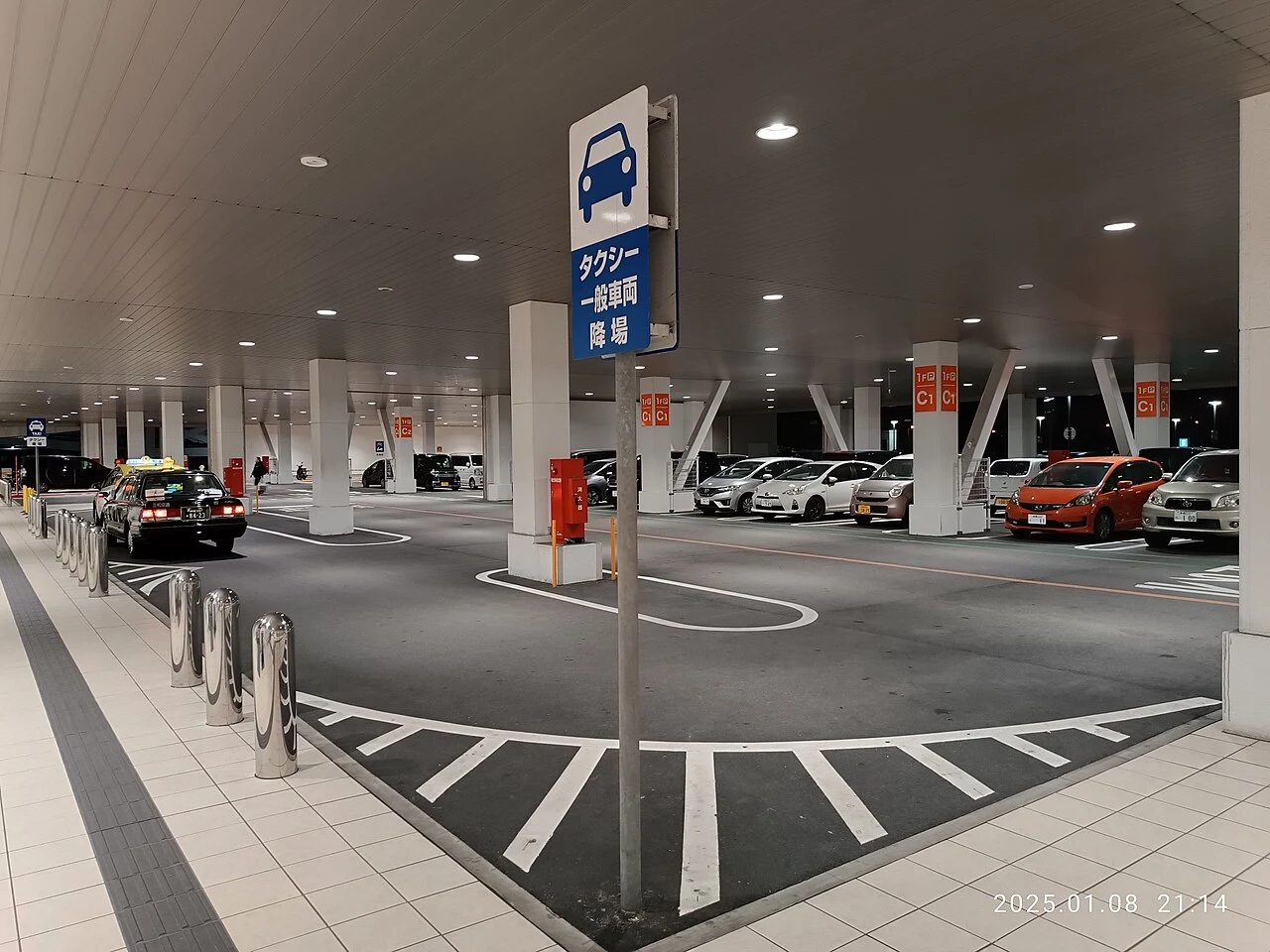
    A signed stand gives you a clear starting point at an airport, station or shopping complex. Join the queue, explain the party and luggage size, and follow staff directions where available. A nearby row of parked vehicles is not automatically an available taxi queue.

    2. Hail a vacant taxi where it can stop safely

    Look for the dashboard indication 空車 (vacant). Do not rely on the body colour. Use the pavement side and avoid junctions or places where stopping would obstruct traffic. JNTO explains the vacancy signs and basic taxi procedure.

    3. Request a car through an app

    Set both the destination and a pickup point you can actually reach. Check the assigned vehicle details and the app’s meeting instructions. If your pin falls on the wrong side of a divided road, fix the location before the driver is committed to that approach.

    4. Ask your hotel to help with dispatch

    This is useful when a property has a particular vehicle entrance or you need to communicate luggage or accessibility requirements. Ask which company is handling the ride, how you will recognise the car, and whether the arrangement is confirmed. Give reception enough notice for a time-critical departure.

    5. Keep one live arrangement

    If you switch from an app to a street taxi, first cancel the unwanted request according to its conditions. An unneeded car can still incur a charge. For DiDi reservations, the operator explicitly says dispatch is not guaranteed and asks users to check the dispatch notification; see its rider FAQ.

    Signed taxi waiting area at Parco City in Urasoe at night, January 2025
    A taxi waiting area at Parco City

    GO, DiDi and Uber: what visitors should check

    The official Okinawa travel guide lists GO and DiDi. Uber also publishes an OKA airport taxi service page. Treat each as a way to request an available service, with different payment, dispatch and reservation conditions.

    AppUseful official informationCheck before requesting
    GOIts English site supports international cards and Apple Pay.Registration, payment setup, location access and all displayed fees.
    DiDiIts FAQ explains meter-based fares plus applicable pickup and toll charges.Payment choice, reservation conditions and driver confirmation.
    UberIts airport page lists local taxi options and app pickup directions.The product actually available at your pin and its current price conditions.

    GO and overseas phone numbers

    GO’s registration instructions use an SMS-capable mobile number. A data-only eSIM does not itself give you an SMS number. Some country-number combinations cannot register while outside Japan; GO says to check location settings if registration fails after arrival. Read its registration restriction and foreign-number location requirement. Do not assume a US, Singaporean, Australian, Korean, Hong Kong or Taiwanese number guarantees successful setup.

    The GO English website describes international-card and Apple Pay support. Set up a working payment method and keep a taxi-stand or hotel-dispatch alternative. Successful installation alone is not a completed ride arrangement.

    Read the fee details, not only the headline estimate

    GO says its International Service Charge applies to completed GO-requested rides by short-term foreign visitors, in addition to the meter, pickup fee and GO App charge. It has exclusions, including areas charged a remote-area service fee. Check the amount on Fare Details before ordering; the official explanation does not give one universal total for every journey.

    DiDi distinguishes in-car payment from app payment; its FAQ says the selected payment method cannot be changed after the order is confirmed. For an app-paid ride, follow the app’s payment process rather than paying again in the vehicle. Review DiDi’s payment and reservation conditions before submitting a request.

    Uber in Okinawa: check the live product

    Uber’s Naha Airport pickup page states that displayed past-month average prices are not fixed or guaranteed and that sample ride products may not be available in your app. Use the actual pickup and destination to check. A website saying “24/7” should not be read as proof that a car is assigned for your particular early departure.

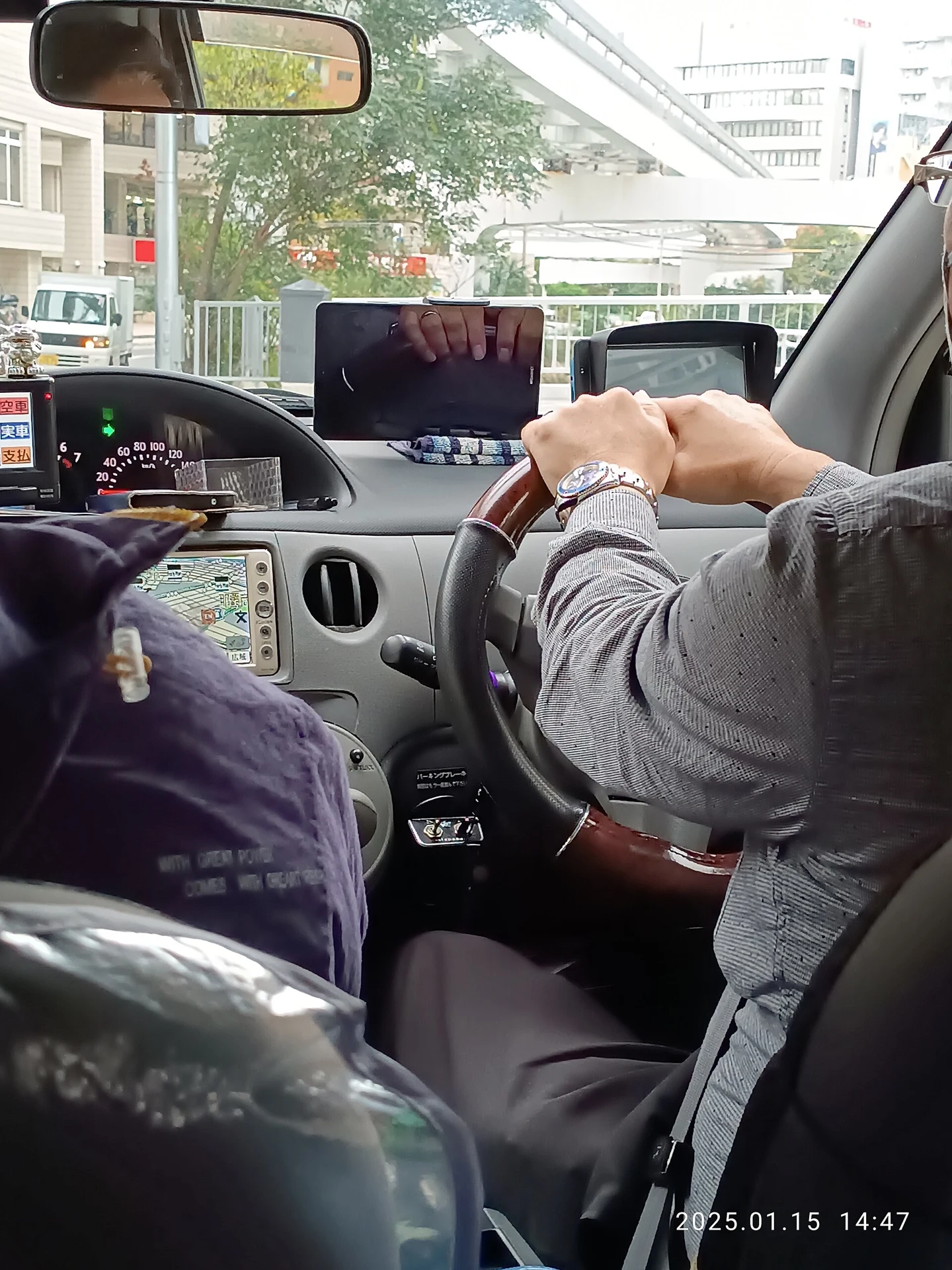
    Front cabin of a taxi travelling in Naha, January 2025
    Inside a taxi in Naha

    Taxis from Naha Airport

    Find the correct stand or reserved pickup

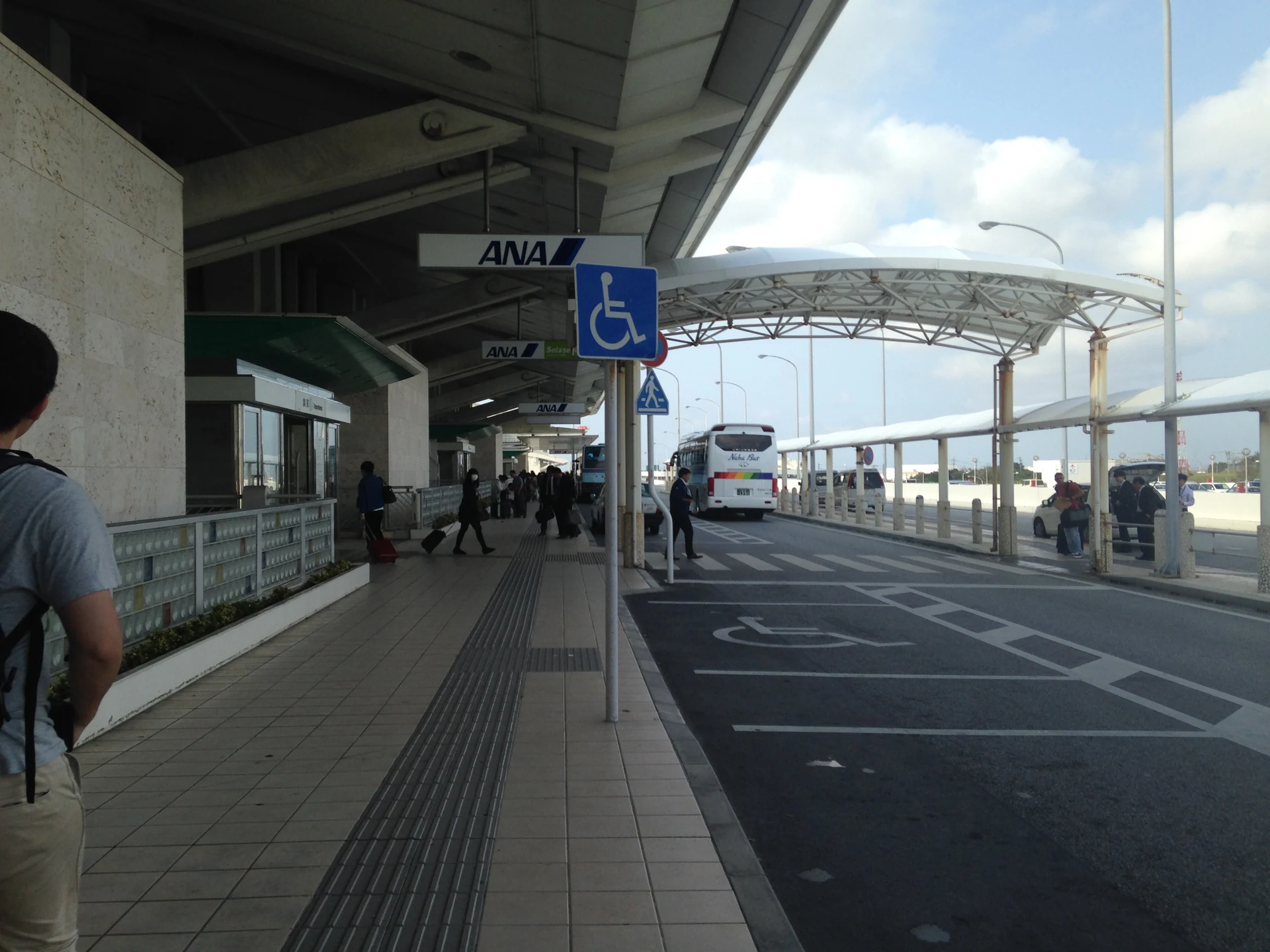
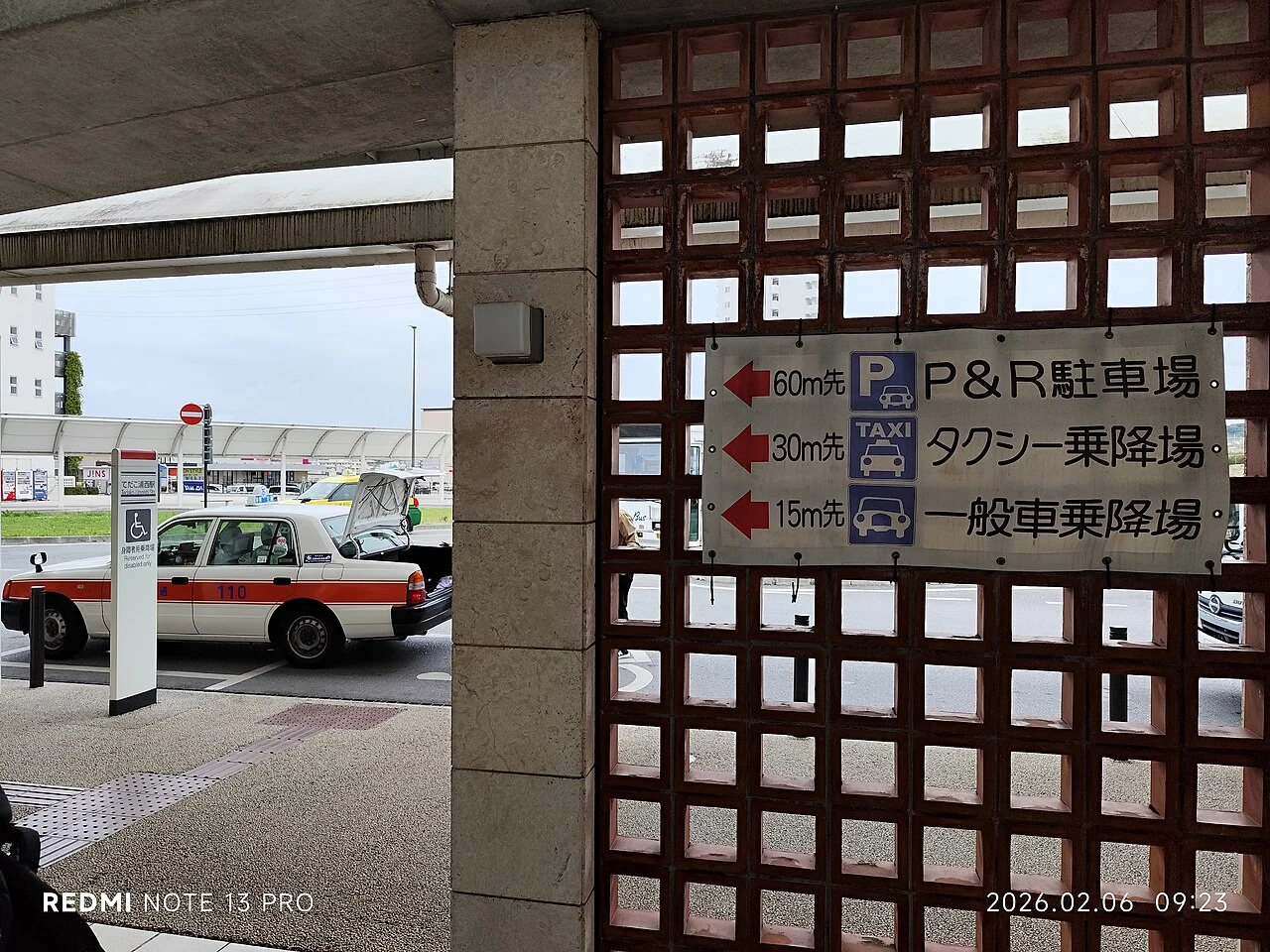
    The airport’s current first-floor map labels ordinary all-area taxi stands 9 on the domestic side and 24 on the international side, with separate jumbo, reserved and accessibility-related positions. Follow signs on the day, especially around works, and consult the official airport taxi map. For an app or prebooked transfer, use the meeting instructions for that booking rather than automatically joining the ordinary queue.

    Naha Airport domestic terminal exterior photographed in March 2015
    The domestic terminal at Naha Airport

    Use airport travel times as a starting point

    The airport’s reference sheet gives about 20 minutes to Kokusai Street, 20 minutes to Shuri Castle and 40 minutes to American Village. It expressly warns that traffic, route and time of day affect the journey and fare. These are reference driving times, excluding queues, baggage collection and other airport procedures. Use the airport’s published estimate sheet and allow a separate margin.

    Compare a metered ride with a reserved transfer

    A fixed-price airport product can simplify the budget for a longer direct journey. As a dated comparison, Okinawa MK’s table below is one-way, per vehicle, tax included for its listed Serena airport service. These are MK’s published examples, not OkinawaVia prices.

    Airport route / example areaMK Serena listed fareImportant condition
    Chatan / American Village area¥7,650Tolls extra; arrival-lobby meeting parking extra; direct single-destination product.
    Southern Onna / Hotel Monterey area¥15,300
    Northern Onna / Manza area¥17,850

    Source: Okinawa MK airport service, information dated 24 August 2026, checked 26 October. Prices may change. Confirm the exact hotel, vehicle, luggage, flight-delay and cancellation conditions; this direct product does not include sightseeing stops. For buses, rail and other arrival options, use our Naha Airport transfer guide.

    Taxi rides to Chatan and Onna resorts

    For Chatan, specify the hotel entrance or the agreed pickup point around American Village. For Onna, the full property name is particularly useful: “Onna resort” is too broad for a dependable quote. The operator examples above distinguish the southern and northern parts of the village.

    Plan the return at the same time as the outbound ride. A resort can be a comfortable base without being a place where a vacant taxi will always pass at your preferred moment. Ask your accommodation about confirmed dispatch for dinner, a hotel change or an airport departure. Our Naha, Chatan, Onna and Motobu comparison explains how your base changes the transport plan.

    For an early flight, work backwards from the airline’s required airport arrival time, then add the road journey and a disruption margin. Arrange pickup while you can still obtain assistance from the hotel or operator. A short normal-time journey and a successful booking last night do not guarantee the same conditions tomorrow.

    Longer trips and return pickups: solve both directions

    A taxi to a northern attraction can solve the outward journey and leave the return unresolved. For Motobu, Kouri Island or a quiet coastal stop, confirm whether the same car will wait, return at an agreed time or leave after dropping you off. These are different arrangements with different costs.

    Okinawa Expressway curving below Mount Ishikawa, photographed in January 2020
    Okinawa Expressway beneath Mount Ishikawa
    • Pickup: exact facility entrance, time in Japan local time, and a map pin.
    • Contact: a number or in-app method you can use with your travel connection.
    • Waiting: whether the car stays, and what happens if your visit runs over.
    • Return: confirmation that the operator accepts the return journey, not just a request received.
    • Full price: both directions, tolls, parking and any dispatch or waiting charges.
    • Fallback: a usable scheduled service or assistance point if the arrangement changes.

    If Churaumi Aquarium is the main objective, compare the complete alternatives in our Naha to Churaumi Aquarium transport guide. Avoid judging a full-day plan only by an outbound app estimate.

    Point-to-point taxi or sightseeing charter?

    A point-to-point ride buys a journey. A charter reserves a vehicle and driver for an agreed period and route. The useful comparison is the total cost and arrangements for your whole day, including the time spent visiting places.

    Your planOption to compare firstQuestion that decides it
    Hotel to dinner, then backTwo ordinary ridesCan you arrange the return at the time and place needed?
    Airport straight to one resortMetered taxi vs reserved transferWhat is the complete fare and luggage fit?
    Several attractions with time at eachSightseeing charterDoes the quote cover waiting, route, hours and the final drop-off?
    One long ride to a remote placeReturn arrangement vs charterWho is responsible for the journey back?

    Operators publish different packages and restrictions. For example, Naha Taxi’s sightseeing page lists an eight-hour northern course at ¥30,900 for its ordinary taxi and ¥52,000 for its jumbo, with tolls and paid parking extra. It requests booking at least three days ahead and confirmation of prices when reserving. Those are that company’s published examples, not a market-wide rate or a quote from us.

    Luggage, children and accessible vehicles

    Passenger seats do not tell you how many large suitcases fit. Send the operator the number of adults and children, children’s ages, suitcase sizes, stroller and any mobility equipment. Ask about child seats in advance; a car found at a rank is not a confirmed child-seat booking.

    For accessibility, say whether the passenger will remain in the wheelchair or transfer to a seat. Give wheelchair dimensions and any assistance needed at both ends. Okinawa MK, for example, describes a rear-entry wheelchair-compatible Serena, recommends advance arrangements because numbers are limited, and lists different capacity when a wheelchair passenger travels. Read the operator’s accessibility information and confirm the actual vehicle fit.

    A larger vehicle may use a different fare class. Ask for the car and luggage arrangement to be written into the confirmation rather than assuming a generic “taxi” or app icon is sufficient. Our driver versus self-drive comparison can help if equipment and repeated daily journeys change your overall choice.

    Combining a taxi with Yui Rail or a bus

    You can use public transport for the convenient part of a journey and a taxi for the difficult final leg. Compare the station exit, the walk, luggage handling and the cost for your whole group. Saving a small amount is less useful if the transfer point leaves you without a confirmed onward ride.

    Direction signs for the taxi stand and pickup area at Tedako-Uranishi Station, February 2026
    Taxi directions at Tedako-Uranishi Station

    Yui Rail’s official station list and timetable cover Naha Airport through Tedako-Uranishi, including Asahibashi, Makishi and Shuri. The rail line does not continue to the northern resorts. Check the last usable departure for your date and connect at a place where a pickup can actually be arranged.

    A Yui Rail monorail train above Naha streets, photographed in October 2026
    Yui Rail travelling through Naha

    For a bus-and-taxi combination, identify the exact stop and the operator of the last leg before leaving. Do not assume every roadside bus stop has taxis waiting. Compare this with a direct ride when carrying several cases or travelling at a time when missing a connection would have a large consequence.

    Before-you-ride checklist and useful phrases

    1. Save the destination: full Japanese name, address, map pin and correct entrance.
    2. Confirm the vehicle: people, cases, equipment and any pre-arranged seat or accessibility need.
    3. Confirm payment: ask before departure for a street/rank ride; review the selected payment method for an app ride.
    4. Check charges: meter or fixed product, toll route, booking fees and waiting.
    5. Plan the return: confirmed pickup, meeting point and contact method.
    6. Before getting out: check seats and boot, collect luggage and keep the receipt or app trip record.

    Let the driver operate the automatic passenger door. Carry some yen as a backup because payment options differ by vehicle, especially away from major cities. Have your destination written in Japanese if communication is difficult. These basics follow JNTO’s taxi guidance. A tip is not expected; see JNTO’s tipping advice.

    What to communicateJapanese to show the driver
    Please take me to this address.この住所までお願いします。
    Can I pay by credit card?クレジットカードは使えますか。
    About how much will it cost?料金はだいたいいくらですか。
    Could you issue a receipt?領収書をお願いします。

    A translation can help explain a request; the driver’s or operator’s acceptance is still what confirms it. If you lose something, use the company and trip details on the receipt or in the app rather than trying to identify a car from memory.

    Okinawa taxi FAQ

    Are taxis expensive in Okinawa?

    A short ride shared by a small group can be practical. Long distances, slow traffic and extra charges change the total. Use the current meter reference above for context, then compare the complete journey with public transport or a reserved product. A reputation for being cheaper than Tokyo is not a route quote.

    Is Uber available in Okinawa?

    Uber publishes an airport taxi pickup service for Naha. Check the live app at your actual pickup point for available products, price conditions and driver assignment. Its advertised sample products and historical average prices do not guarantee a particular car.

    Can I pay an Okinawa taxi by card?

    Payment options depend on the vehicle and booking method. Ask before starting a street or rank journey. For an app booking, check the selected payment method and complete its setup. Keep yen as a backup rather than assuming every taxi accepts the same card or wallet.

    Do taxi drivers speak English?

    Do not assume an ordinary dispatched car includes an English-speaking driver. Save the Japanese destination and map pin. If English communication throughout a sightseeing day is essential, request it explicitly and have the operator confirm the arrangement.

    Can I get a taxi for an early flight?

    Arrange it ahead with your hotel or operator and check that a car is confirmed. The main-island night/early-morning surcharge may apply. Work backwards from airline check-in requirements and include a road-delay margin; an app accepting a future request is not the same as a guaranteed pickup.

    Can I take a taxi from Naha to Churaumi Aquarium?

    Compare an accepted long-distance ride and a confirmed return with a sightseeing charter or scheduled bus. Decide whether the driver will wait or collect you later, and confirm tolls, parking and waiting charges. The aquarium transport comparison covers the route in more detail.

  • Finding Your Best Okinawa Soba: Styles, Toppings and Local Flavours

    Finding Your Best Okinawa Soba: Styles, Toppings and Local Flavours

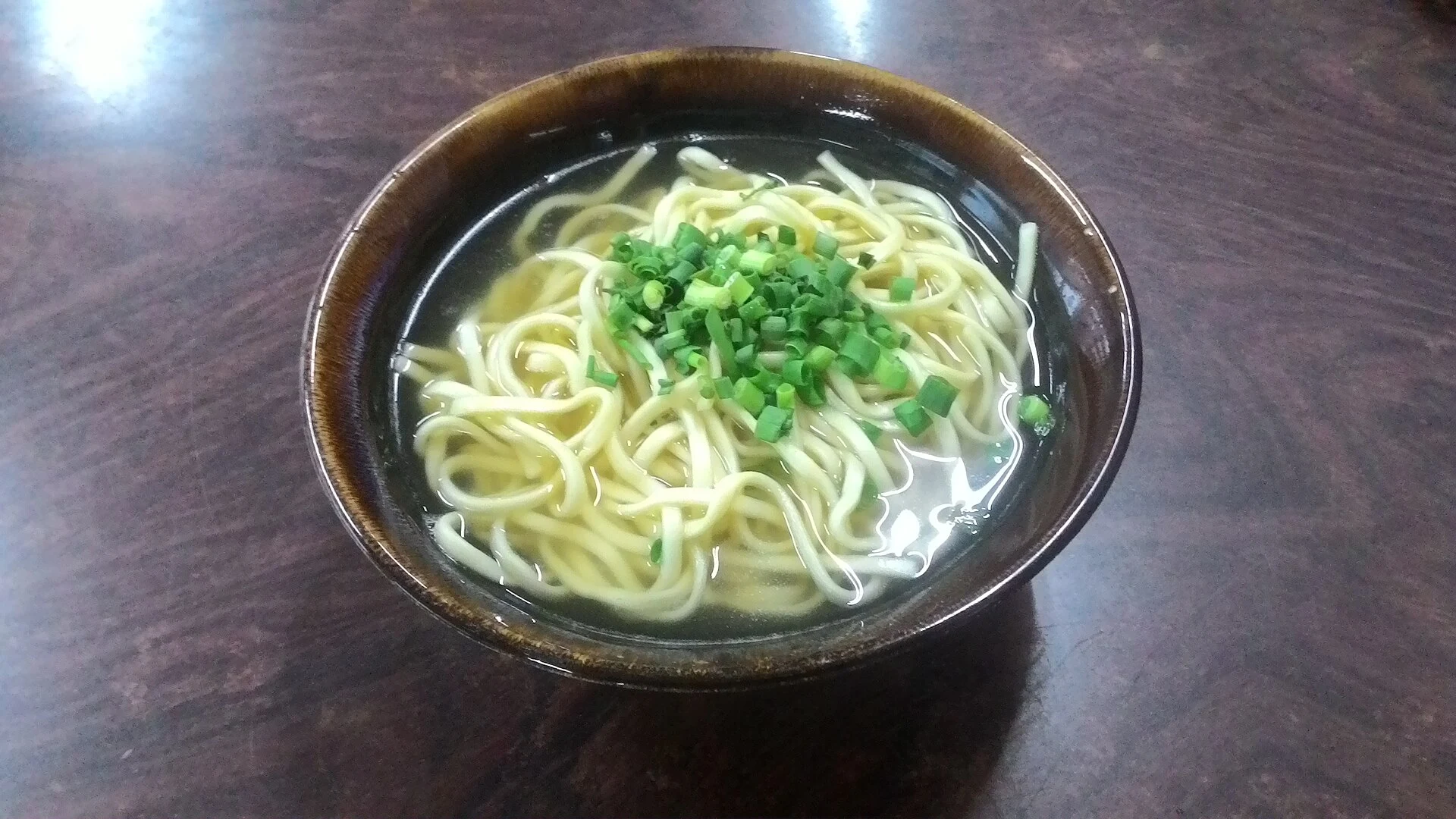
    Okinawa soba is a wheat-noodle soup, usually served with pork and fish-based stock. Start with a classic pork-belly bowl or soki soba with pork ribs, then choose a restaurant that fits your day. A good lunch stop is more useful than a long detour to a shop that closes before you arrive.

    Finding your best Okinawa soba starts with the broth, noodle texture and toppings you enjoy. Use the styles below to choose what you would like to try.

    This guide explains the menu names, regional differences, ordering process and a small, practical shortlist in Naha, Onna and Motobu. It is a researched visitor guide, rather than a first-hand restaurant review. Restaurant details and the quoted menu examples were checked on 25 October 2026; follow each shop’s latest notices before travelling.

    A bowl of Okinawa soba in Yamabare with wheat noodles, pork, fish cake and chopped spring onion
    Okinawa soba with pork and spring onions

    What makes Okinawa soba different?

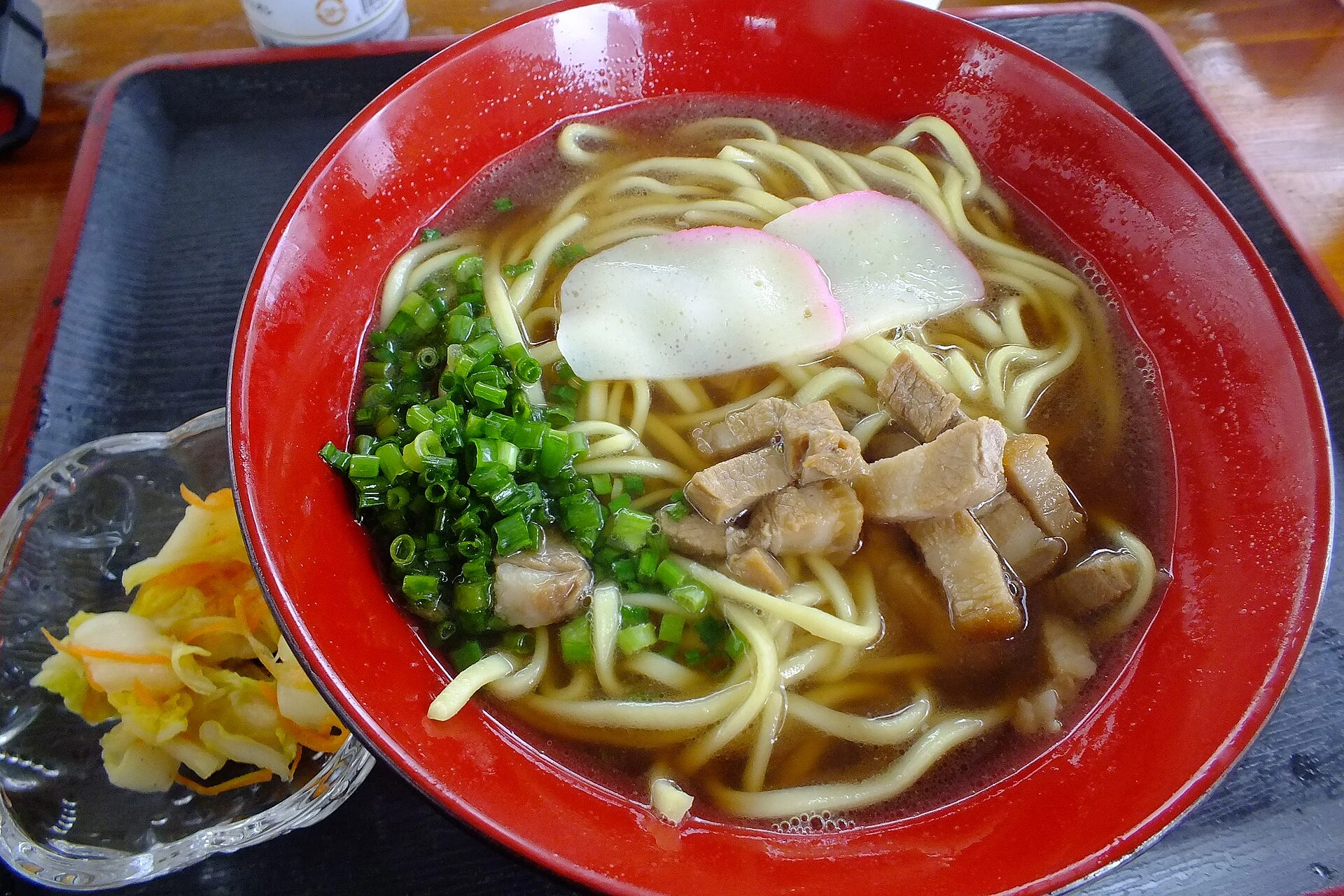
    The important distinction is the flour. Okinawa soba uses wheat rather than buckwheat, with alkaline water helping create its characteristic noodle texture. A familiar bowl combines the noodles with pork-and-bonito stock, pork, fish cake and spring onion. Japan’s Ministry of Agriculture, Forestry and Fisheries describes both the traditional combination and the many variations that have developed around it. Source: MAFF’s Okinawa soba guide.

    Think of the dish as its own local tradition. Comparing it with ramen or udon can help you picture the noodles, but it will not tell you how an individual shop’s bowl tastes. The balance of the stock matters as much as the meat on top. The Ministry of Foreign Affairs’ food guide describes Okinawan stock using pork, bonito and kombu, and notes that versions vary across the islands. Source: Web Japan.

    For a first tasting, try a spoonful of soup before adding anything. Then taste the noodles and the topping separately. This gives you a useful comparison if you try another shop later: you can decide whether you prefer the noodles, the stock or the cut of pork, rather than trying to declare one universal “best” bowl.

    Soki soba, pork belly and other toppings

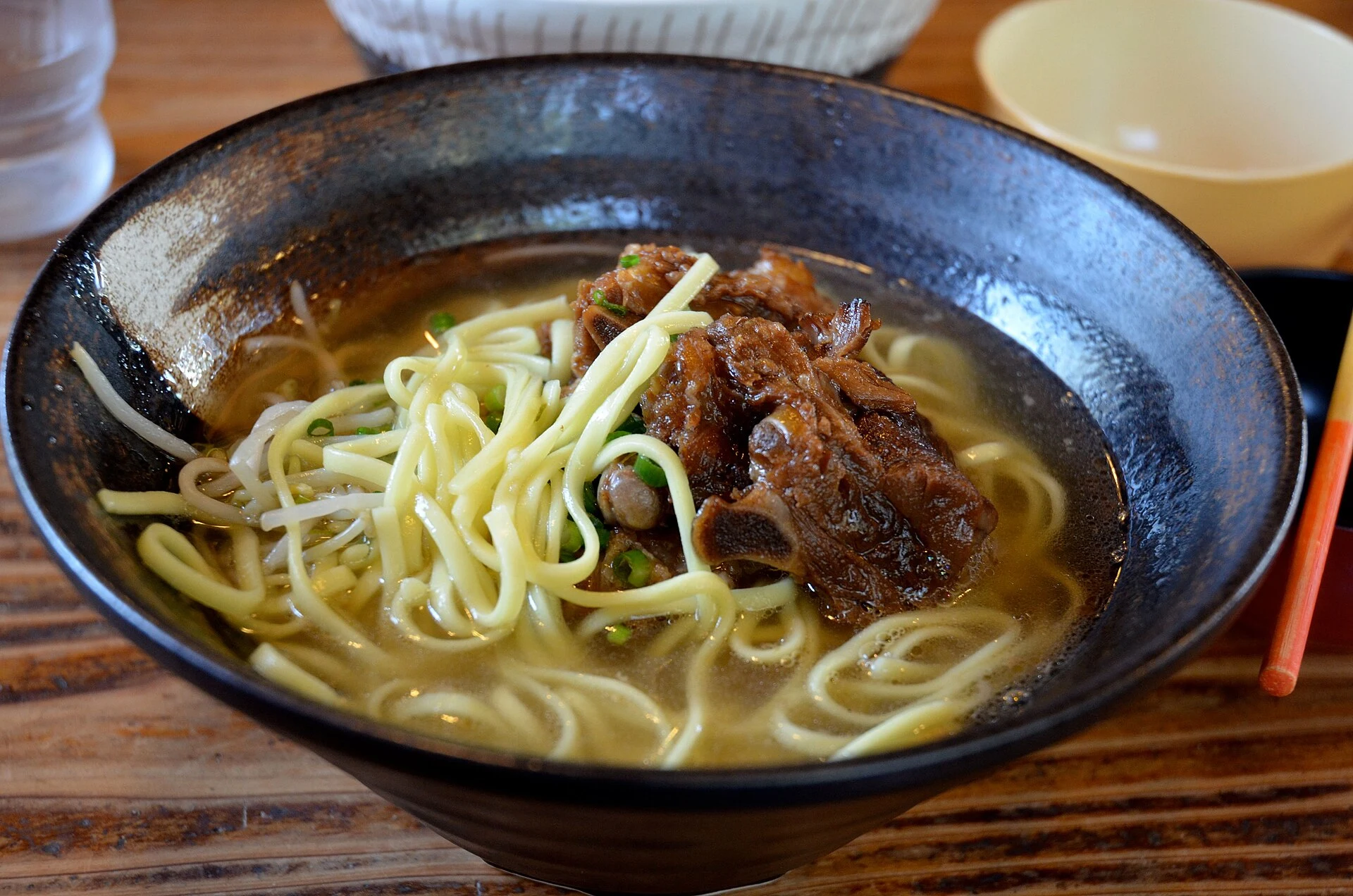
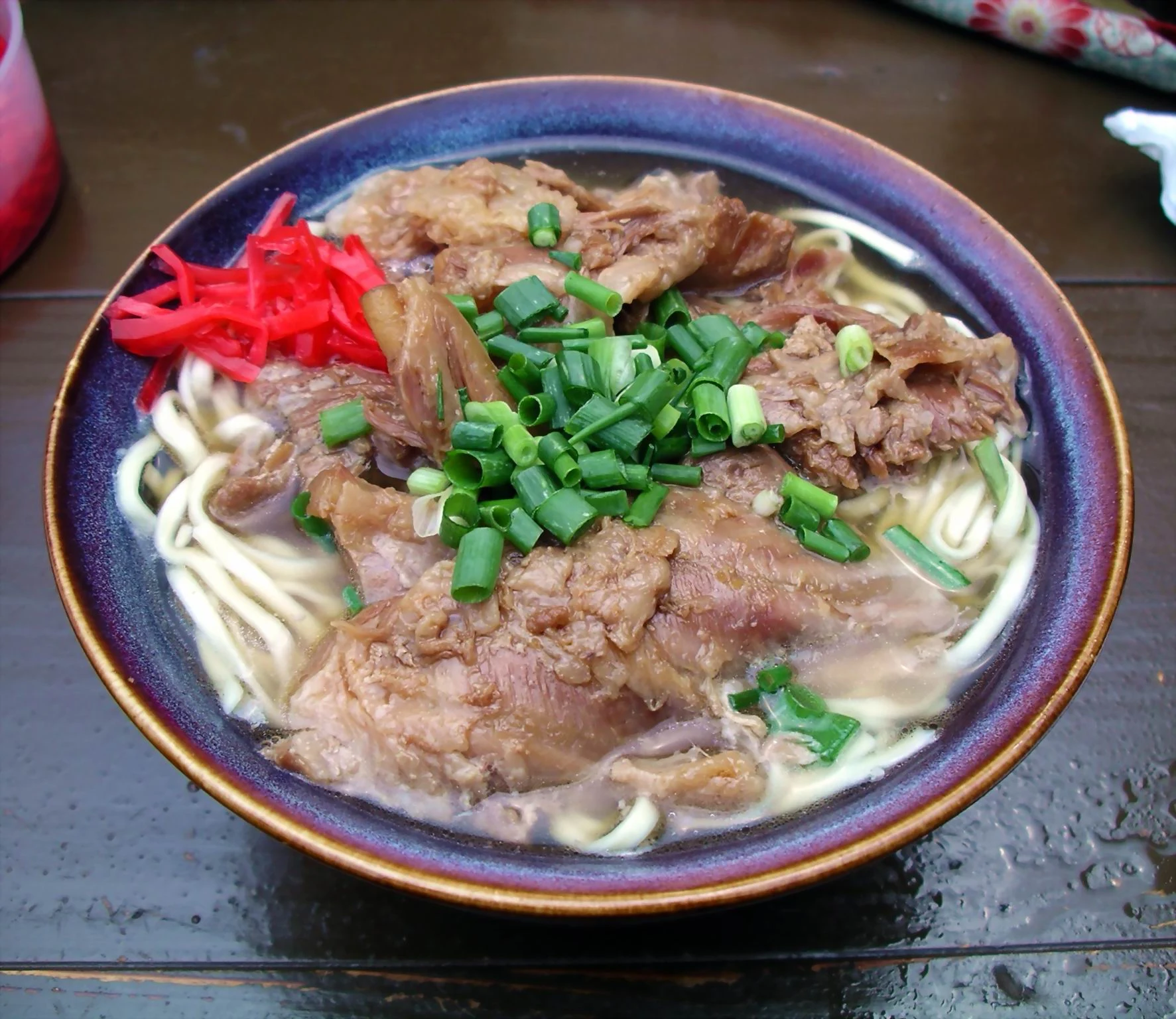
    Soki soba is a type of Okinawa soba. The extra word identifies a pork-rib topping; it does not describe an entirely different noodle. Shops can offer several meat combinations on the same noodle and broth base.

    Menu nameWhat it refers toUseful ordering question
    Sanmainiku soba · 三枚肉そばBraised pork bellyIs this the standard bowl on your menu?
    Soki soba · ソーキそばPork ribsDoes it have hard bones or soft cartilage?
    Nankotsu soki soba · 軟骨ソーキそばPork ribs with cartilageHow is the cartilage prepared here?
    Tebichi soba · てびちそばPig’s trottersIs it a regular or limited dish?
    Asa soba · アーサそばA seaweed variationWhich meat, stock and fish-cake ingredients are included?

    The pork-belly, rib and cartilage terms are described in MAFF’s overview. Tebichi and asa examples can be checked against Nakamura Soba’s own menu. A menu name alone is not a complete ingredient list.

    Sanmainiku: a simple first choice

    If you want to concentrate on the soup and noodles, a standard pork-belly bowl is an easy starting point. Look at the actual menu photo and description: a dish called “Okinawa soba” may be a house combination, while a named sanmainiku option may have a different quantity of meat. Ask which bowl the shop recommends for a first visit.

    Soki: choose the rib topping deliberately

    Ask about bones when ordering for a child or someone who would prefer an easier-to-handle topping. The words hon-soki and nankotsu help distinguish rib preparations, but it is still worth confirming the shop’s version. A menu photograph is useful for portion size; it cannot tell you whether a bone or piece of cartilage will be comfortable to eat.

    Soki soba with pork ribs, wheat noodles and green onion at Takenoko on Taketomi Island
    Soki soba with pork ribs and green onion

    Nankotsu: the cartilage variation

    Nankotsu is a useful word to recognise on a menu. It points you towards a different texture from a plain slice of pork belly. Choose it because that preparation appeals to you, rather than because the English menu calls it “soft bone” and you assume every part is the same. The server can explain how that day’s topping is cooked.

    A bowl of nankotsu soba with soft pork cartilage and wheat noodles
    Okinawa soba with tender pork cartilage

    Tebichi: check availability before committing

    A pig’s-trotter bowl makes sense if you actively enjoy that cut. It need not be the default first order for everyone at the table. A shop may have a small daily allocation, so have a second choice ready instead of making one limited dish the fixed centre of a busy sightseeing day.

    Seaweed or tofu: read beyond the headline

    A seaweed or tofu topping does not establish that the whole bowl is vegetarian. Ask what is in the stock and whether meat or fish cake is included. At Nakamura Soba, for example, asa seaweed appears in the noodles and fish cake as well as on top. That is a specific house preparation, rather than a rule for every asa bowl. Source: Nakamura Soba.

    Noodles and regional styles: compare the bowl in front of you

    The Okinawa noodle cooperative describes broad local preferences, including flatter, substantial noodles in the north and wavier noodles around Naha and the south. It also explains that noodle-making steps differ by area. Use those patterns as a starting point, rather than a test that every restaurant must pass. Source: Okinawa Namamen Cooperative.

    Okinawa’s main island

    For a short main-island holiday, compare two bowls that fit places you are already visiting. Ask whether a restaurant uses homemade noodles and whether there is a choice of noodle type. If your first bowl has a light stock, a second shop with a different noodle shape will teach you more than ordering the identical combination twice simply to tick off famous names.

    Miyako soba

    Miyako has its own soba tradition. Some versions hide the toppings beneath the noodles; that presentation should not be treated as a missing-meat mistake. AEON Ryukyu’s regional introduction describes this custom. The photograph below is a Miyako-style bowl served in Tomigusuku, showing that a regional style can also be found away from its island of origin. Source: AEON Ryukyu.

    Miyako-style soba with noodles and pork in a bowl at a restaurant in Tomigusuku
    A bowl of Miyako-style soba

    Yaeyama soba

    On Ishigaki and neighbouring Yaeyama islands, look for a local version with finely cut pork and fish-cake toppings. Island pepper, often written pipazu, may appear as a condiment. These are useful details for a separate island stay, rather than a reason to attempt an extra island during a main-island lunch outing. Source: AEON Ryukyu’s regional guide.

    Yaeyama soba on Ishigaki Island with thin noodles and finely cut toppings
    Yaeyama soba with finely cut toppings

    How to order your first bowl

    Begin with the entrance instructions. If a shop uses a ticket machine, choose the dish and size before buying a ticket; if it uses table service, wait for staff to seat you. Do not assume every shop follows the same system. A displayed waiting list, a queue and a priority-entry arrangement may have different instructions.

    1. Check the branch and queue. Confirm that you are at the restaurant named in your plan, then follow its waiting instructions.
    2. Choose the bowl. Use the Japanese menu name or show the exact item on your phone.
    3. Choose the size. Ask whether the smaller option changes the noodles, meat or both. Avoid assuming that “medium” is a child’s portion.
    4. Add a side if wanted. Ask whether a set includes rice before ordering another bowl of it separately.
    5. Confirm payment. Some restaurants accept cash and cards; an individual branch can be cashless.
    You want to identifyJapanese to showWhat to confirm
    Pork-rib sobaソーキそばThe type of rib topping
    Small / medium / large小 / 中 / 大Which sizes this shop offers
    A set mealセットExactly which sides are included
    Sold out売り切れWhether another dish is still available
    Last orderラストオーダー / L.O.The ordering deadline, rather than the closing time

    For a group, nominate one person to check the menu while another checks the queue instructions. Keep the restaurant’s name and address in Japanese on your phone. If there is a language barrier, pointing to one item at a time is clearer than asking several questions while the server is handling another table.

    Jushi, ginger and koregusu: what goes with the bowl?

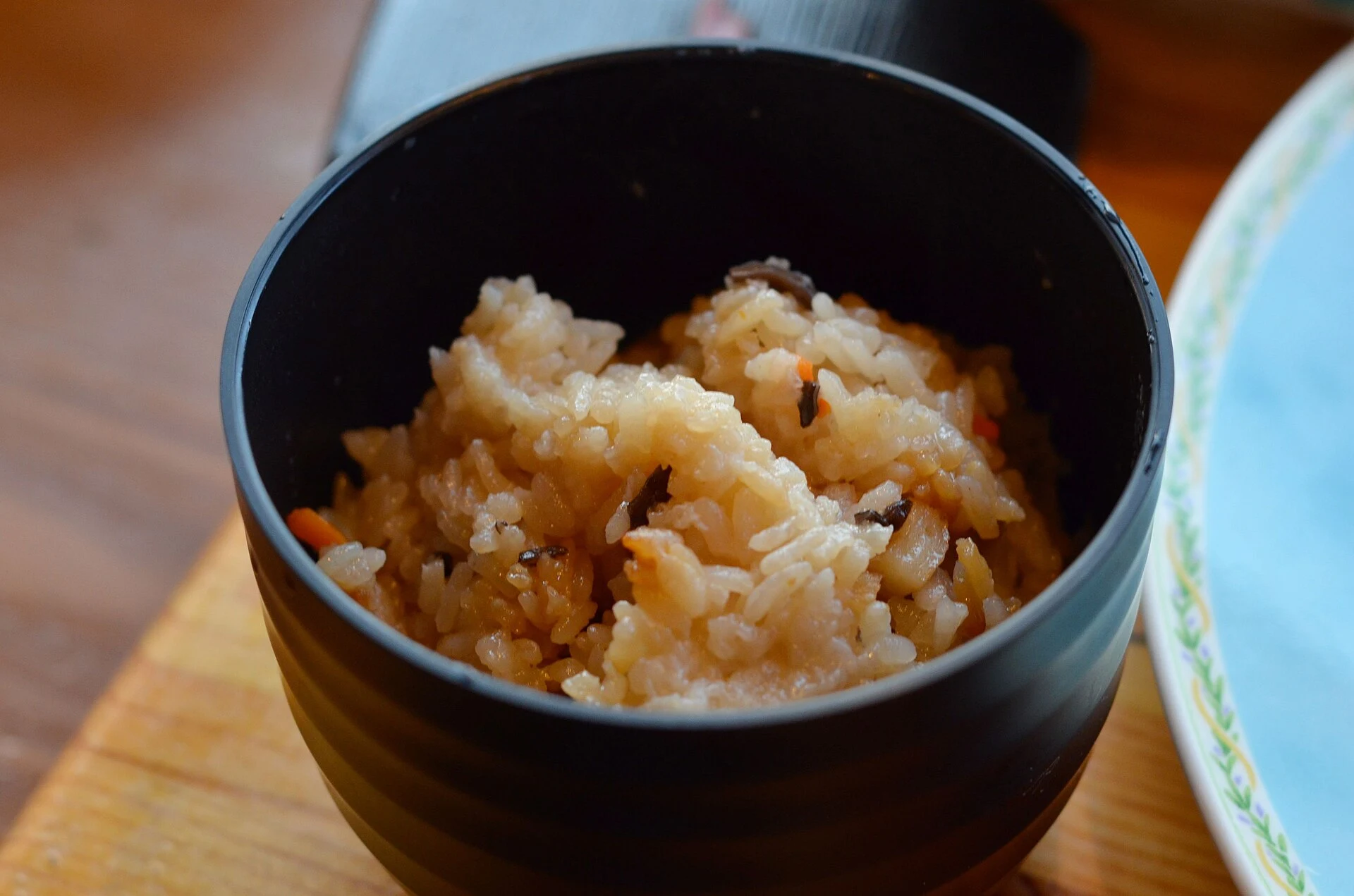
    Jushi seasoned rice

    Jushi is worth considering if you want a more filling lunch. The firmer cooked-rice form, kufa jushi, is different from the softer porridge-style versions. MAFF’s example combines rice with pork and other ingredients and notes that jushi is also served in Okinawa soba restaurants. It should not be assumed to be plain rice or meat-free. Source: MAFF’s kufa jushi guide.

    A small bowl of Okinawan jushi seasoned rice beside other dishes
    A bowl of jushi seasoned rice

    If you are fitting lunch between a market walk and an afternoon activity, decide how much food you actually want. A noodle bowl and a rice side can be substantial. Ask about the set contents, and leave space for another local speciality later instead of ordering every extra at the first stop.

    Koregusu and other table seasonings

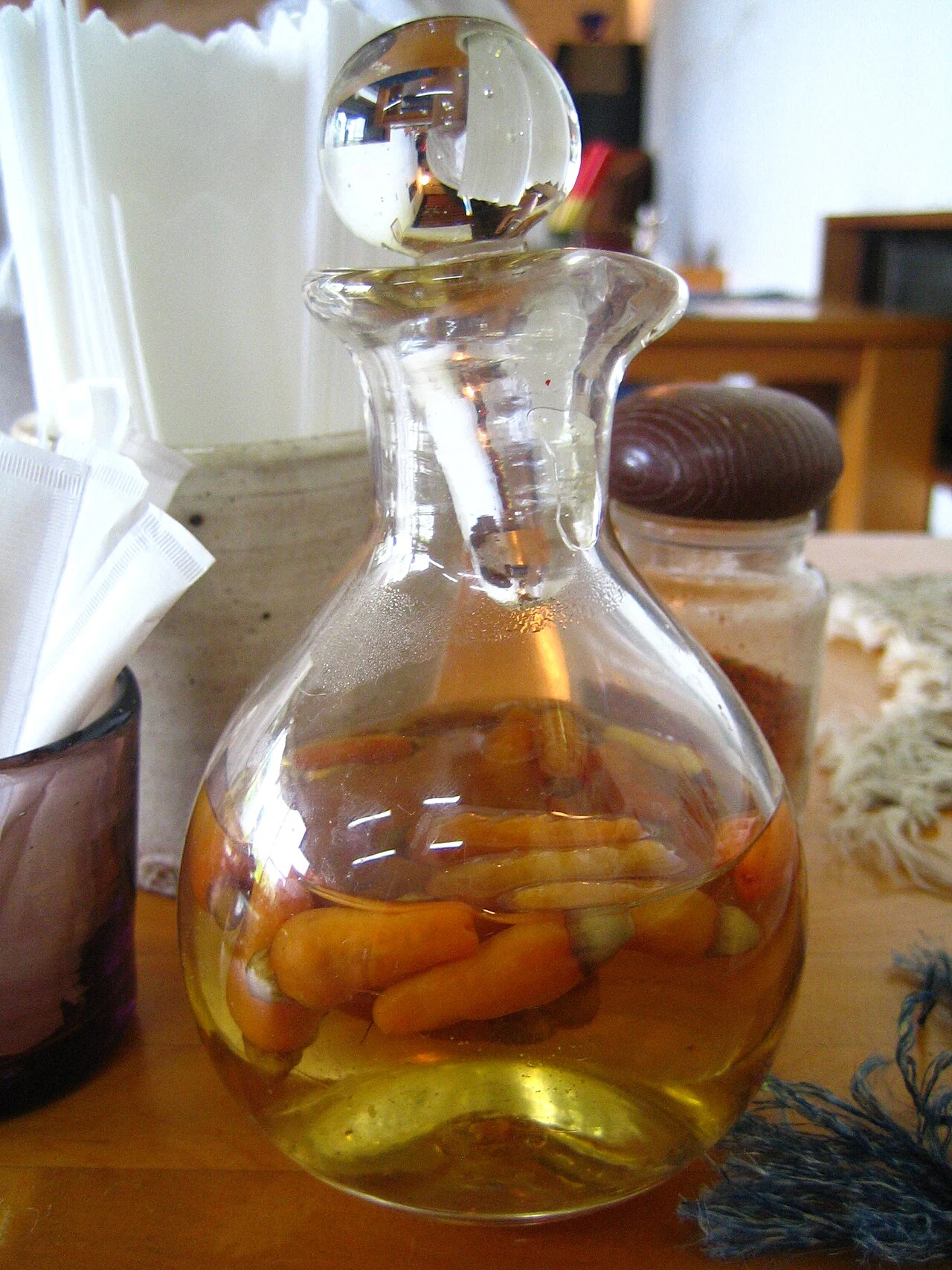
    Koregusu is made by soaking island chillies in awamori, Okinawa’s distilled spirit. Taste the soup first and check the bottle before adding it. If you avoid alcohol, ask for a different condiment. MAFF also describes pickled red ginger as a common accompaniment. Source: MAFF’s introduction to Okinawa soba.

    A bottle of Okinawan koregusu chilli and awamori condiment on a restaurant table in Naha
    Koregusu chilli condiment on a restaurant table

    Keep a child’s bowl unseasoned until they have tasted it. Where a shop offers several seasonings, add a little to one part of the soup rather than changing the whole bowl immediately. That lets you compare the original stock with the seasoned version and avoids an unwanted surprise.

    Where to try Okinawa soba: Naha, Onna and Motobu

    This is a route-based shortlist, not a ranked “best restaurants” list. Choose the area first, then check the exact shop’s hours, payment arrangements and current menu. The following are the operators’ published details checked on 25 October 2026; temporary closures and sold-out finishes can override them.

    Shop and areaPublished hoursClosing-day informationPlanning use
    OKINAWA SOBA EIBUN · Naha11:00–20:00; last order 19:30Check the shop’s official InstagramA Naha stop with published evening hours
    STAND EIBUN · Naha08:00–15:00, until soup runs outGenerally year-round, with occasional closuresAn earlier start around Tsuboya
    Nakamura Soba · Onna10:30–16:00Thursday; also check holiday noticesA daytime west-coast stop
    Yaezen · Motobu11:00–15:00, until sold outTuesday and WednesdayA lunch option during a Motobu day

    Naha: OKINAWA SOBA EIBUN

    The flagship’s official English page lists 1-5-14 Tsuboya, Naha, cash, cards and several electronic payment methods, with no dedicated parking. It describes a Fast Pass for priority seating, but the linked booking page did not display a usable restaurant booking screen when checked. Follow the restaurant’s current instructions rather than assuming a priority slot is available. Email and Instagram direct messages are not accepted for reservations. Source: EIBUN’s flagship page.

    The same brand has multiple branches. For example, EIBUN Tsuboya lists a shorter 11:00–15:00 service, Wednesday and irregular closures, and completely cashless payment. Do not transfer the flagship’s evening hours or cash policy to that branch. Source: EIBUN Tsuboya.

    Naha: STAND EIBUN for an earlier meal

    STAND EIBUN is at 1-1-18 Tsuboya. Its official page says the waiting list is posted from around 08:00 on business days, and that service can finish when the soup runs out. It lists cash, cards and electronic payment, with nearby paid parking rather than a dedicated car park. That makes it a different planning option from simply turning up at the flagship at breakfast time. Source: STAND EIBUN.

    Second-floor restaurant counters and dining tables at Makishi Public Market
    Upstairs dining at Makishi Public Market

    For a wider Naha food walk, continue with our Makishi Public Market guide. A market visit and a specialist soba lunch can be separate experiences; check your appetite before booking or ordering both.

    Onna: Nakamura Soba

    Nakamura Soba’s address is 1669-1 Serakaki, Onna. Its operator describes homemade noodles and asa seaweed dishes, and lists a car park, wheelchair facilities and children’s chairs. Check your own access needs with the shop. Its 16:00 closing time makes it a lunch stop, not a dinner plan after sunset. Source: Nakamura Soba’s shop information.

    The current published menu is useful for choosing between standard soba, soki and asa before you arrive. Treat limited dishes as a possibility, not a promise. The menu also supplies item-specific ingredient information; read the entry for your chosen bowl rather than relying on a generic description of soba.

    Motobu: Yaezen

    Yaezen’s official site lists 342-1 Namizato, Motobu, daytime service and Tuesday–Wednesday closing days. The same address and regular hours appear on the official northern Okinawa tourism listing, which includes soba variations such as squid-ink, tebichi and soki. Confirm the day’s menu directly; this guide does not quote a current price for Yaezen. Sources: Yaezen and Yanbaru’s official tourism listing.

    For a Motobu day, choose lunch before you lock in the rest of the afternoon. An aquarium visit followed by a late lunch only works if the chosen restaurant is still serving. Our Churaumi Aquarium guide helps you organise the attraction separately from restaurant opening times.

    Prices: use a current menu, then add your extras

    There is no single price that accurately describes every Okinawa soba restaurant. Below is one verified example, Nakamura Soba’s published menu, checked on 25 October 2026. It is not a prefecture-wide average or a quotation from every shop in this guide.

    ItemPublished priceWhat to remember
    Okinawa soba, soki soba or asa soba · medium¥1,200Choose the dish, then the size
    The same bowls · large¥1,400Ask about the portion before upsizing
    Jushi rice¥300An extra side, unless included in a specified set
    Additional soki · one piece¥300Check availability when ordering

    Source: Nakamura Soba’s official menu. Follow the displayed shop prices if they change.

    As a transparent arithmetic example, two medium bowls and one jushi side total ¥2,700 at those listed prices. Drinks, extra toppings, transport and parking are separate. This is a sample lunch calculation, not a package or a guaranteed bill. For another restaurant, build the same calculation from its current menu instead of carrying this budget across automatically.

    If you want to keep lunch flexible, set a per-person food budget and decide in advance whether the priority is a bigger bowl, a rice side or another snack later. That is more useful than ordering a premium topping because an old blog described the whole dish as inexpensive.

    Ingredients: wheat, stock and toppings need separate checks

    A description such as “seaweed soba” or “tofu soba” gives only part of the picture. Before ordering, ask about four components: the noodles, the broth, the topping and any seasoning or side dish. If you need an ingredient excluded, establish whether the kitchen can accommodate that request before buying a ticket.

    • Wheat: Okinawa soba is not a gluten-free substitute for buckwheat noodles.
    • Pork and fish: these can be in the broth even when the visible topping is vegetables or tofu.
    • Egg, dairy and soy: recipes differ. Check the exact item instead of assuming a simple-looking soup excludes them.
    • Alcohol: ask about condiments and cooking ingredients if you avoid it.
    • Shared preparation: ask the restaurant about the equipment and kitchen practices relevant to your needs.

    For a concrete example of why the exact menu matters, Nakamura’s asa entry lists egg, dairy, wheat, soy and pork, while its soki entry lists dairy, wheat, soy and pork. That is this operator’s information, not a universal recipe. Source: Nakamura Soba’s ingredient labels.

    EIBUN publishes an allergen page but dates that information to December 2023 and says recipes may change. Treat it as a starting point for a direct check, rather than a current guarantee for a specific bowl. If staff cannot confirm the information you require, choose another meal. Source: EIBUN’s allergen information.

    Planning a soba stop during your day out

    A Naha food walk

    Choose an early meal around Tsuboya or a lunch before exploring the market streets. Keep a second option in the same area so that a long queue does not consume the whole outing. If Shuri is your main attraction, plan the meal and the castle as separate stops; a restaurant in central Naha is not automatically beside the castle. See our Shuri Castle planning guide.

    An Onna coast day

    Place a daytime soba stop before the restaurant’s closing window, then leave the later part of the day for your resort or another activity. Check the restaurant’s closing day before choosing which day to drive the coast. A Thursday closure, for example, is a reason to move the lunch plan rather than discover the problem when everyone is hungry.

    A Motobu or northern sightseeing day

    Decide which matters more: lunch first, or a longer first attraction visit followed by a restaurant with a confirmed later service. Keep one nearby backup, and avoid putting a sold-out-prone lunch immediately before a fixed return departure. Our five-day itinerary puts northern sightseeing into a wider trip structure.

    If you are already arranging a private sightseeing day, tell us your preferred lunch area, dietary questions and how much time you would like to leave for a meal. You can ask about a charter with a flexible lunch stop. Restaurant opening, seating and the day’s menu still need separate confirmation.

    Before-you-go checklist

    • Save the restaurant’s exact branch name and Japanese address.
    • Check today’s hours, last order, closing day and any sold-out notice.
    • Choose a main bowl and a second-choice topping.
    • Check whether you need cash, a card or another accepted payment method.
    • Confirm ingredients before paying if you have dietary requirements.
    • Read the queue, waiting-list or ticket-machine instructions at the entrance.
    • Allow room in the schedule for ordering and eating; do not treat a meal as an instant stop.
    • Keep one backup nearby, rather than another famous restaurant across the island.

    For more dishes to try around the islands, use our Okinawa food guide. This article stays with soba so that choosing a bowl does not become a second full itinerary to manage.

    Okinawa soba FAQ

    What is the difference between Okinawa soba and soki soba?

    Okinawa soba is the broader dish. Soki soba specifies a pork-rib topping. Check whether the shop uses hard-bone ribs or a cartilage preparation.

    Is Okinawa soba made with buckwheat?

    The traditional noodles are wheat-based, rather than buckwheat noodles. That distinction does not establish that a particular kitchen can accommodate an allergy or ingredient restriction.

    Can I eat Okinawa soba for breakfast or dinner?

    Yes, if you choose a shop with suitable hours. STAND EIBUN lists an 08:00 start; EIBUN’s flagship lists evening service. Those hours do not apply to every branch or restaurant.

    How much does a bowl cost?

    Check the current restaurant menu. A verified example in this guide is ¥1,200 for a medium bowl at Nakamura Soba. Sizes, special toppings and sides change the total.

    Is a seaweed or tofu bowl vegetarian?

    Not necessarily. Confirm the stock, noodles, fish cake, other toppings and side dishes with the restaurant. A meat-free-looking topping is not enough information.

    Do I need a restaurant reservation?

    Follow the exact shop’s instructions. A waiting list and priority seating are different arrangements. EIBUN does not take reservations by email or Instagram direct message; check its current official guidance before relying on another booking route.

    Sources and further reading

    Sources are linked beside the relevant information. Restaurant pages were checked on 25 October 2026. Prices, opening hours, branch policies and menus can change. Photographs are separately licensed illustrations with dates and credits; none is presented as evidence of a current menu or a visit by OkinawaVia.

  • Shurijo Castle Park: Seiden Reopening, Tickets and a Naha Visit

    Shurijo Castle Park: Seiden Reopening, Tickets and a Naha Visit

    Shuri Castle is a place to understand Okinawa’s royal history, stone architecture and living cultural identity. A useful visit takes you beyond a single red building. This guide to Shuri Castle and Shurijo Castle Park explains the gates, the 2026 Seiden reopening, admission choices and a manageable Naha day around them.

    Before visiting Shurijo Castle Park, check the official updates on Shuri Castle reconstruction and current visitor access linked in this guide.

    The red-tiled Shureimon ceremonial gate at Shurijo Castle Park in February 2015
    The red-tiled Shureimon Gate

    Shuri Castle or Shurijo Castle Park: decide what you want to experience

    “Shuri Castle,” “Shurijo Castle” and “Shuri Castle Park” often appear in the same search, but they do not all describe a ticketed building visit. Think of the outing in three layers: the surrounding cultural landscape, the paid castle area and, from its announced reopening, the Seiden interior.

    Start by deciding whether going inside the main hall is essential. If it is, an available interior reservation should shape your transport and the rest of the day. If your interest is mainly the ceremonial gateway, stonework and a shorter history walk, you can plan a different experience. Do not pay for a general admission product while assuming it automatically includes every room you have seen in an old photograph.

    Your priorityPlan aroundQuestion to settle first
    A short cultural introductionSelected gates and the surrounding park landscape.Which paths and areas are open on your date?
    A fuller castle visitThe accessible paid-area route and its interpretation.Does the route match your interests and walking needs?
    Inside the reconstructed SeidenA confirmed timed interior reservation, from reopening.Does your ticket explicitly include that reservation?

    None of these needs to be a rushed stop between distant attractions. Choosing a shorter version deliberately is more satisfying than arriving with a long list and discovering that your ticket, mobility needs or departure time allow something quite different.

    What to check before visiting Shurijo Castle Park in late 2026

    The opening of a reconstructed landmark is a significant occasion, but its ceremony schedule affects ordinary sightseeing. Use the date of your visit, rather than the date you buy a ticket, when reading the announcements.

    Visit datePlanning implication
    Before November 22, 2026Plan for the areas open during reconstruction. The forthcoming Seiden interior opening has not yet taken place.
    November 22The park has announced a closure of all park facilities, including the paid area, for the completion ceremony.
    November 23, morningThe free area inside the castle walls is closed until 11:15; the paid area until 12:00.
    November 23, from noonThe announced Seiden public opening begins. A timed interior reservation is required to enter the hall.

    Sources: the park’s November 22 closure announcement (Japanese) and the prefecture-led opening-time announcement (Japanese). The official closure announcement was checked directly on November 3, 2026. Recheck it before travelling around the ceremony weekend.

    For a trip spanning these dates, a central Naha food or shopping day is a useful alternative to the closed-park day. Keep opening-day expectations modest: a public opening time is not a promise of immediate entry or a guarantee that a particular reservation is available. Opening the main hall also does not establish access to every other structure in the wider restoration project.

    Painted Seiden facade on the temporary reconstruction enclosure in June 2023
    The Seiden reconstruction enclosure in 2023

    Understanding Shuri’s Ryukyu heritage

    Shuri was the royal centre of the Ryukyu Kingdom, whose overseas relationships helped shape a culture distinct from that of mainland Japanese castle towns. The UNESCO World Heritage property, inscribed in 2000, combines nine components across Okinawa, including castle sites, sacred places and cultural landscapes. Its significance extends beyond an impressive palace façade.

    The distinction between surviving remains and reconstructed buildings matters here. UNESCO describes archaeological evidence, restoration and the preservation of the site’s setting. A recreated hall can communicate royal architecture and craftsmanship without being an untouched medieval building. Looking at the stonework and landscape as well as the roof makes the visit more meaningful.

    The official Okinawa tourism explanation describes Shuri as a centre of politics, diplomacy and culture for about 450 years. It also records wartime destruction, restoration in 1992 and the October 2019 fire that destroyed the Seiden and other major buildings. The present reconstruction belongs to that longer history of loss, research and renewal.

    Before setting off, choose one question to carry through the visit: how the kingdom welcomed visitors, how sacred places related to royal life, or how stone walls followed the hill. Reading the signs with a particular question in mind turns a series of photo stops into a connected story.

    Five landmarks to notice on a Shuri Castle walk

    Use the current signed route and park information when you arrive. The following is a guide to recognising places, not a promise that a fixed path or construction-viewing area will be open. It also helps you match names on a booking or map to what you actually want to see.

    Shureimon: the ceremonial gateway

    The red-tiled gate in this guide’s opening photograph is Shureimon, not the Seiden. The Japan National Tourism Organization’s Shuri introduction identifies it as a ceremonial entrance and notes its reconstruction in 1958. Its broad roof and slender columns offer a very different impression from the stone gateways farther along the approach.

    Pause far enough away to see the whole roof, then let other visitors pass through. This is a natural first photograph, but reaching it does not mean you have reached the interior reservation checkpoint. Keep your next destination clear before lingering over pictures.

    Sonohyan Utaki Ishimon: a sacred stone gateway

    Stone gate of Sonohyan Utaki beneath surrounding trees in June 2023
    The stone gateway of Sonohyan Utaki

    JNTO also highlights Sonohyan Utaki Ishimon, associated with prayers for the king’s safe journeys. The stone form and surrounding greenery tell a different part of the royal landscape from a residence or audience hall. Notice the way the gateway sits within that setting rather than treating it as another entrance to hurry through.

    Respect signs, boundaries and anyone observing the site quietly. A short pause to read the explanation is more appropriate than using a sacred place as a stage for elaborate photographs.

    Kankaimon: read the gate together with the walls

    Kankaimon gate between curving limestone walls at Shuri Castle in March 2015
    Kankaimon Gate and Shuri Castle’s limestone walls

    The curved walls and stone opening around Kankaimon help you see the castle as a sequence of enclosures rather than one isolated building. Compare the shape of the stone arch with Shureimon’s open timber structure. Our photograph records the architecture in 2015; follow today’s visitor signs for your route.

    Look back where the path permits it and you may appreciate a different relationship between the gateway, steps and wall. Stop clear of the main flow of people instead of trying to finish every photograph while walking.

    The limestone walls and the hilltop setting

    Shuri Castle limestone walls with the former Seiden rooftops behind them in May 2011
    Shuri Castle walls before the 2019 fire

    Give the stonework time of its own. The rising and curving walls make the terrain legible: this is a visit across a hill, with changing levels and views, rather than a flat museum corridor. Look closely at the stones from permitted visitor areas and avoid climbing or leaning equipment against the structures.

    If someone in your party tires easily, the landscape is also a useful reminder to choose your route early. The most direct-looking line on a phone map is not necessarily the most comfortable way through a historic site.

    The Seiden: distinguish the architecture from the photograph’s date

    Royal throne inside the former Seiden main hall in January 2016 before the 2019 fire
    The royal throne in the former Seiden

    The photograph above is from January 2016, before the 2019 fire. It provides historical context for the main hall’s decorative architecture. It does not show the forthcoming visitor experience inside the newly reconstructed building. Read older travel images and museum-style room photographs with the same care.

    If seeing the new interior is the main purpose of your trip, secure the appropriate access for your date. If it is not available, decide whether the park’s other open areas would still make a worthwhile outing for you. Both decisions are reasonable; they lead to different expectations.

    Shuri Castle admission: compare the date and the access

    The park’s live visitor summary lists these standard individual paid-area prices. The change applies to entry from November 23, 2026.

    Visitor categoryThrough November 21From November 23
    Adult¥400¥1,000
    High-school student¥300¥760
    Elementary / junior-high student¥160¥370
    Child under sixFreeFree

    From reopening, the paid-area price is the same with or without an interior reservation; the reservation adds no fee. However, the two tickets do not provide identical access. An exterior / general paid-area ticket is not an interior booking.

    Example: two adults and one elementary-school child total ¥960 before the change, or ¥2,370 from reopening, using the standard categories above. This is an admission calculation, not a package quote. Add transport and meals separately, and check any concession directly with the park.

    How to reserve the Seiden interior without confusing the ticket types

    Start at the park’s official ticket guide, which links to its ticket channel. Where a seller offers several products, read the actual access description rather than choosing only by the attraction name or a small difference in price.

    1. Confirm your visit date. Check the closure and special opening arrangements above.
    2. Choose interior access deliberately. Look for the ticket stating that it includes the Seiden interior reservation.
    3. Check a reachable time. Include the journey to Shuri, the approach and entry procedures before selecting a slot.
    4. Review the party details and conditions. Read eligibility, change and cancellation terms on the actual booking.
    5. Keep the confirmation available. Save the ticket and instructions so you can find them at the entrance.

    The official reopening FAQ says same-day interior purchases are possible only when reservation space remains, up to 15 minutes before the relevant slot. It also says people eligible for free admission and annual-pass holders generally still need an interior reservation, with preschool children excepted. Do not assume a concession or a walk-up queue guarantees entry inside.

    If you buy through another platform, resolve these questions before paying: does it include the interior, which date is valid, where is it redeemed, and what happens if your plans change? A transport tour, a guide service and a castle admission ticket are separate products unless the booking explicitly combines them.

    Opening hours and how much time to allow

    At our October check, the park’s live summary showed the free area inside the walls at 08:00–19:30, and the paid area at 08:30–19:00, last entry 18:30. Recheck seasonal hours for your travel date; ceremony restrictions take precedence.

    Your useful planning unit is the whole outing. A train arrival, a photograph at Shureimon and the time printed on an interior ticket are three different moments. Allow time for finding your way, reading signs, walking between levels and taking a break.

    • Short introduction: an editorial allowance of 60–90 minutes around selected park landmarks, excluding the journey to Shuri.
    • Fuller park visit: reserve roughly two to three hours on site as a flexible planning block, with more if your group needs breaks.
    • Naha day with lunch: leave a half day or longer for Shuri plus travel, then keep the city portion short enough to enjoy.

    These are suggested allowances, not official tour durations or a guarantee of queue times. For a timed interior visit, choose a station-arrival target comfortably before the reservation and check the booking’s precise entry instructions. If the only available slot forces a tight connection from a flight, choose a different day or a different visit style.

    Getting to Shuri Castle from Naha

    A Yui Rail monorail train travelling above Naha in October 2026
    Yui Rail travelling through Naha

    Yui Rail plus the approach on foot

    Shuri Station on Yui Rail is a useful starting point from many Naha hotels. JNTO gives a 15–20-minute walk from the station as a broad approach estimate. That is not the total time from your hotel to the Seiden. Find your hotel’s nearest boarding station, check the official Yui Rail service and fare information, and allow for the walk onward.

    Use a current park route map or directions rather than following only a general castle pin. Confirm where your ticket asks you to enter, and leave extra time if you are navigating in the heat, stopping for pictures or walking with children. A station arrival at the start of an interior slot is too late a target for a relaxed plan.

    A taxi or private vehicle

    A taxi or an agreed hotel pickup can reduce the transport steps, especially from a coastal hotel or when combining several Naha sights. Confirm the drop-off and later meeting point; they should be places a vehicle can legally use, with a route your group can manage. A car does not remove the walking inside the park or guarantee road conditions.

    For most visitors staying in central Naha and making only this outing, compare the simple rail journey before reserving a whole vehicle. For a larger day with luggage or several agreed stops, compare the complete arrangement instead of a one-way fare alone. Our Okinawa without a car guide and self-drive versus private driver comparison explain the wider choices.

    Combining Shuri with a Naha day out

    Choose one additional area rather than trying to cross the whole island after the castle. The following combinations are editorial routes, not reports of a single tested day or timetabled tours.

    Royal history, then central Naha food

    Make Shuri the main morning or early-afternoon visit, depending on your reservation. Afterwards, return towards central Naha for a local meal and a short walk around the Kokusai Street / Makishi area. Check the market’s opening day and trading hours rather than assuming it will be available whenever you finish.

    The Makishi Public Market guide covers the practical meal arrangements. For menu ideas, use our Okinawa food guide. Keeping lunch near the rest of your day leaves more time to enjoy both the history and the food.

    A neighbourhood extension around Shuri

    Stone-paved Kinjocho lane descending through Shuri in July 2011
    The stone-paved lane in Kinjocho

    If the group enjoys walking, consider the Kinjocho stone-paved lane highlighted by JNTO. The surface and slopes are part of the choice: add it only when they suit everyone, and do not assume the route loops neatly back to your original pickup point. Check the direction and end point before setting off.

    Keep this a neighbourhood walk rather than a performance for the camera. People live along these streets. Leave doorways clear, respect private property and use designated public routes. For a gentler version, spend longer at the park and leave the extra lane out.

    Fit Shuri into a longer Okinawa trip

    Our three-day itinerary and five-day, four-night itinerary give Shuri a place within the wider trip. Keep the aquarium and other far-northern priorities in a separate substantial travel block. If you are still choosing a base, compare Naha with Chatan, Onna and Motobu before arranging repeated city journeys.

    Walking, children and accessibility: plan for your own group

    Prepare for a historic hilltop site rather than assuming every path is flat. Comfortable shoes, drinking water, sun protection and a compact day bag make the outing easier to manage. In wet weather, assess the actual surface and shorten the surrounding walk if it no longer suits your group.

    If step-free access, a wheelchair, a pushchair or a place to rest is important, ask the park about the exact route and facilities currently available. Its management centre is listed on the official visitor page at 098-886-2020. Explain the practical need: for example, avoiding stairs between the approach and the ticketed area, rather than asking only whether the entire attraction is “accessible.”

    Set a comfortable turnaround point for children or anyone with limited stamina. You can remove the neighbourhood extension or choose a shorter park visit before cutting out every break. Keep large luggage with your accommodation when possible and confirm any storage arrangement beforehand. Our airport transfer guide is useful if the castle is being considered on a travel day.

    A private driver and a historical guide also serve different purposes. Transport can solve pickup and route arrangements; interpretation of royal history needs the appropriate guiding service. State what you want when requesting a quote, and do not assume a vehicle booking includes a guided walk through the castle.

    A short checklist before you go

    • Date: check the park’s opening notice, particularly November 22–23, 2026.
    • Purpose: decide whether you need the Seiden interior or would prefer a shorter park visit.
    • Ticket: confirm the access, visitor categories and any timed reservation.
    • Arrival: include the station or vehicle approach and walking inside the park.
    • Comfort: check the route against stairs, slopes, weather and the group’s pace.
    • Rest of the day: choose one Naha extension and leave room for a meal.
    • Travel day: work backwards from airline deadlines, baggage collection and the airport journey before adding a fixed castle appointment.

    Use the date-specific operator information for tickets and access, and the heritage explanations for context. When a booking page and the park’s current notice differ, resolve the difference before paying or setting off. An old photograph remains useful for understanding the site, but it should not decide today’s visiting route.

    Frequently asked questions about Shuri Castle

    Is Shuri Castle open after the 2019 fire?

    The park can be visited in its currently open areas, while the reconstructed Seiden interior is scheduled to open on November 23, 2026 at noon. Check your travel date: the park has announced a closure on the previous day and special reopening-day restrictions.

    Are Shuri Castle and Shurijo Castle the same attraction?

    They are commonly used names for the castle site. “Shurijo Castle Park” describes the wider visitor setting. Identify whether a ticket or itinerary means the park, the paid area or a reserved Seiden interior visit.

    Does a Shuri Castle ticket include the main hall?

    For the forthcoming interior opening, look for a ticket with the timed Seiden reservation. General paid-area admission alone should not be treated as an interior booking. Read the exact product before purchasing.

    Can I visit Shuri by monorail without a rental car?

    Yes. Yui Rail serves Shuri Station, with an onward walking approach. Add navigation, walking inside the park and any ticket procedures before an interior appointment. A station arrival is not the same as arrival at the hall.

    How long should a first visit take?

    Our editorial suggestion is a half-day block from central Naha for transport and a fuller visit, with a flexible lunch afterwards. A shorter selected-landmark walk can work if that matches your interests; neither allowance guarantees queue times.

    Are the photographs in this guide the new Seiden?

    No. The main-hall photograph is explicitly dated January 2016, before the fire, and the construction photograph is from 2023. They provide historical context. The captions identify the date and purpose of each image so you can distinguish the architecture from current access.

  • Okinawa Itinerary for 5 Days: Naha, the North and Resort Time

    Okinawa Itinerary for 5 Days: Naha, the North and Resort Time

    Five days in Okinawa give you time for Naha’s food streets, the island’s southern cultural sights and two nights beside the west coast. This Okinawa itinerary for 5 days is built around five calendar days and four hotel nights, including arrival and departure. It leaves a real afternoon for the sea instead of turning every day into a long sightseeing drive.

    This Okinawa 5 day itinerary leaves room for Naha, the coast and northern highlights, with practical choices for hotel locations and travel days.

    Nirai Kanai Bridge winding down the hillside towards the sea in Nanjo in August 2022
    Nirai Kanai Bridge winding towards the sea

    Okinawa itinerary for 5 days: the route at a glance

    This route suits a first visit with a mixture of culture, food, coastal scenery and a major family attraction. It assumes you can arrange the out-of-town journeys by self-drive, a private vehicle or a suitable booked outing. It does not assume you have five full sightseeing days between your flights.

    DayMain planOptional additionSleep
    1 — ArrivalAirport transfer, check-in and a Naha evening.Makishi Market if arrival and trading hours allow.Naha
    2 — SouthOkinawa World, or a quieter Sefa Utaki / Nanjo day.One coastal viewpoint, if the day still feels relaxed.Naha
    3 — CoastCheck out, move to Onna and enjoy your resort area.Cape Manzamo as the day’s sightseeing stop.Onna
    4 — NorthChuraumi Aquarium and time in Ocean Expo Park.Bise village, or Kouri Island as a longer detour.Onna
    5 — DepartureBreakfast, packing and the airport journey.A short stop only if the flight leaves a generous margin.Fly home

    The south belongs on Day 2 because you are still based in Naha. The northern aquarium belongs after your coastal move. Returning to Onna after Day 4 keeps the hotel changes down, although it still involves a substantial road outing. Do not mistake a two-base route for a promise of short drives everywhere.

    If your actual booking gives you only two full days on the island, our three-day Okinawa itinerary is a better starting point. Conversely, five full days between flight days allow an extra rest day; you do not need to fill that time with a farther destination.

    How to divide five days between Naha and the coast

    Two nights in Naha, two nights in Onna

    Choose a Naha hotel for the evenings you want to spend walking to dinner, exploring central streets and starting a southern excursion. Choose the Onna hotel for the kind of coastal stay you actually want: beach access, a pool, a quiet room or a particular activity. An “Onna” address covers different stretches of coastline, so confirm the exact property and its dinner options.

    Before booking, compare the final airport journey and the Day 4 pickup from each coastal hotel. A cheaper room can become a less convenient choice if every meal or outing requires another ride. Our where to stay in Okinawa guide compares Naha, Chatan, Onna and Motobu in more depth.

    An early flight: move the last night to Naha

    For an early departure, consider nights 1–2 in Naha, night 3 on the coast and night 4 back in Naha. On Day 4, travel north from Onna and finish in Naha with your luggage arrangements agreed in advance. The trade-off is one extra hotel change and less resort time. If that sounds tiring, spend all four nights in Naha and take selected day trips.

    When Chatan or Motobu makes more sense

    Chatan can replace Onna if waterfront restaurants and an evening around American Village matter more than a secluded resort setting. Motobu can replace it if the aquarium and Bise are the centre of your trip. Both changes alter the airport transfer and the rest of the route. Avoid booking one night in every district merely to collect different hotel views.

    Day 1: arrive at Naha Airport and keep the first evening simple

    People walking along illuminated Kokusai Street in Naha at dusk
    Kokusai Street in Naha at dusk

    Morning or early-afternoon arrival

    Transfer to Naha, leave your bags with the hotel if it offers storage, and have a proper meal before sightseeing. A flight’s landing time is not the time you will be ready for a bus, rental car or hotel pickup: immigration where applicable, baggage and collection arrangements come first. Check your hotel’s check-in and luggage-storage rules before relying on them.

    Use the rest of the day for Kokusai Street and the surrounding shopping streets. If Makishi Public Market fits your arrival time, browse first and decide whether you want a market meal or dinner elsewhere. There is no need to add an out-of-town attraction after a travel morning.

    The rebuilt Naha City First Makishi Public Market building under a blue sky in July 2023
    Makishi Public Market beneath a blue sky

    Our Makishi Public Market guide explains the rebuilt market, meal arrangements and closing-day checks. The market and nearby nightlife streets have different operating patterns; an illuminated shopping street does not mean the fresh-food stalls are still trading.

    Late arrival or a tired family

    Make Day 1 only the airport transfer, hotel check-in and a nearby dinner. Keep the market for another suitable opening period or leave it out. For the standard two-plus-two-night plan, this is your first of two Naha nights, so you can enjoy the city again after tomorrow’s southern outing. Use our Naha Airport transfer guide to choose the arrival method before flying.

    Day 2: explore southern Okinawa from your Naha base

    Choose one of the following versions before arranging transport. They offer different experiences. Treating both as compulsory, then adding several distant attractions, works against the slower pace of this five-day journey.

    Option A: Okinawa World as the main visit

    Okinawa World is a practical choice for a structured day around Ryukyuan culture, performances and the Gyokusendo limestone cave. Reserve a substantial morning-to-afternoon block, including lunch, rather than arriving only for the final admission. Our suggested allowance is three to four hours on site; your actual stay depends on shows, crafts and walking pace.

    The operator currently lists 09:00–17:30, last reception 16:00, with admission of ¥2,000 for adults aged 15 and over and ¥1,000 for ages 4–14. Craft experiences can cost extra. Importantly, the site’s accessibility statement excludes Gyokusendo from its barrier-free areas: do not plan the cave as a wheelchair or pushchair route. Check the official fees, hours and accessibility guidance (Japanese) for the details that affect your party.

    Afterwards, return towards Naha or choose one short Nanjo coastal stop if there is time and everyone is comfortable. Agree the return ride as well as the outward journey. The operator notes that an empty taxi may not be waiting at the entrance.

    Option B: Sefa Utaki and the Nanjo coast

    A path and wooden railings leading towards the sea at Cape Chinen Park in January 2025
    A coastal path at Cape Chinen Park

    Choose this version if you prefer a sacred cultural landscape and time looking out to sea. Sefa Utaki remains a place of worship, so approach it quietly, follow the designated paths and respect closed areas and people praying. Cape Chinen Park can provide a nearby coastal pause; it is not a substitute for checking conditions on the actual day.

    The official Sefa Utaki visitor guide lists adult admission at ¥600 from age 16, ¥300 for ages 7–15 and free entry for children six and under. Ticket sales finish before last admission. From March–October, hours are 09:00–18:00 with ticket sales ending at 17:15; November–February hours are 09:00–17:30 with sales ending at 16:45. Allow for the walk between the ticket / parking area and the site.

    Date-sensitive closure: Sefa Utaki is scheduled to close November 9–11, 2026 for sacred-site preservation. It also has future annual closure periods. If your Day 2 falls on a closure, choose a different visit rather than expecting access to the paths. Recheck the operator’s calendar when finalising the date.

    Prefer to stay in Naha? Make it a Shuri day

    Replace the southern drive with Shuri and a second Naha afternoon if you want less road travel. For late-2026 trips, distinguish the park from the reconstructed Seiden main hall. The official opening announcement schedules the Seiden’s public opening for noon on November 23, 2026 and says interior viewing requires a reservation. It is still a future opening at this guide’s October 23 check. Confirm the arrangements for your date rather than assuming every hall is already accessible.

    Day 3: travel up the west coast, then slow down in Onna

    Manza Beach and the resort peninsula viewed across the sea from Cape Manzamo in March 2015
    Manza Beach and the Onna coastline

    Pack after breakfast, check out of Naha and make this your hotel-transfer day. Keep the route to one principal stop before your coastal hotel. With bags in the vehicle, agree luggage capacity, storage arrangements and the hotel drop-off in advance. If self-driving, keep valuables with you and follow the rental company’s guidance for luggage security.

    Cape Manzamo as the sightseeing stop

    Cape Manzamo is a useful choice when it fits the location of your Onna hotel. Set aside roughly 45–60 minutes as a planning allowance for the viewpoint and visitor facilities, allowing longer if you eat there. The official operator lists a viewing charge of ¥100 per person, with preschool children free, and free parking. Viewing runs from 08:00 until sunset; the visitor building’s later closing time does not extend cliff viewing after dark. Weather can close the site.

    If American Village is the priority instead, make Chatan the main stop and shorten or remove Manzamo. Adding both, plus a long lunch and several viewpoints, spends the resort afternoon you came for. Decide which experience matters before agreeing a route.

    Protect the afternoon you paid for

    Check in when the hotel allows and leave a generous block for the property or nearby coast. You may want a beach walk, a swim when officially permitted, or simply a quiet terrace. Confirm beach access, seasonal swimming arrangements, activity reservations and any fees directly with the hotel. A coastal photograph does not establish that a particular hotel’s facilities are open to every visitor.

    Arrange dinner before the day becomes a series of last-minute rides. If restaurants are spread out, a hotel meal or a prebooked nearby option can make the evening feel much easier. This is also the point to review tomorrow’s forecast and choose between a simple aquarium day and a longer northern route.

    Day 4: Churaumi Aquarium, with Bise or Kouri as an option

    Wide view of the Kuroshio Sea tank and visitors at Churaumi Aquarium, photographed in 2012
    Visitors beside the Kuroshio Sea tank

    Make the aquarium the anchor of your northern day. Allow three to four hours for the aquarium, some park time and lunch as an editorial starting point, then adjust for your interests and group. Walking through a large park, buying tickets and taking breaks all use time beyond a vehicle’s arrival at the parking area.

    At our check, the aquarium’s official visitor page displayed a temporary website-maintenance notice and an opening notice of 08:30–18:30, last entry 17:30. Recheck current opening, ticket and closure information for your date. We have not carried an older ticket price into this guide as a newly verified price.

    The simpler afternoon: a short Bise walk

    A shaded fukugi-lined lane at Bise village in Motobu, photographed in September 2017
    Fukugi trees shading a lane in Bise

    After lunch, consider a gentle walk through Bise’s fukugi-lined lanes if the weather, walking surface and your group’s energy suit it. Plan roughly an hour as a flexible allowance, rather than a timed tour promise. These are village lanes around people’s homes: stay considerate, keep access clear and turn back when the group has had enough.

    Then return to your Onna hotel for dinner. The modest extra stop leaves a better margin for the drive and avoids turning the aquarium into a hurried box to tick. Our Churaumi Aquarium guide helps you decide what deserves time inside the park.

    The longer alternative: Kouri Island

    The concrete arches of Kouri Bridge above clear turquoise sea, with Kouri Ocean Tower visible on the island hillside
    Kouri Bridge seen from the shore

    If the bridge and sea views are a particular priority, choose Kouri instead of the Bise walk. It adds another road segment and a later return to Onna. Agree the route and service hours before departure, and leave room for lunch and the actual aquarium visit. Kouri should replace part of the day, not appear as an unlimited bonus stop.

    Our Kouri Island guide explains how the bridge, beaches and other stops fit together. For a five-day trip, there is no need to add Cape Hedo to this same day. If far-northern nature is your main interest, redesign the northern stay around that priority instead.

    Day 5: build the morning around your airport departure

    Start with the airline’s required arrival, check-in and baggage deadlines. Work backwards through the road journey, pickup or bus stop, checkout and breakfast. For self-drive, add rental-car return procedures and any transfer from the return depot to the terminal. A navigation app’s driving estimate covers neither that process nor an unexpected traffic delay.

    If you are staying in Onna for night 4, the airport transfer is the main activity this morning. A late flight may leave space for a brief stop, but only after the transport plan has enough margin. Do not make a southern sightseeing loop or a second northern outing part of a fixed departure-day schedule.

    For an early flight, use the final-night-in-Naha variation described above and confirm early transport availability before booking the room. A Naha address alone does not guarantee you can walk to the terminal or catch the first convenient service. The airport guide linked under Day 1 covers the main transfer choices.

    Where to add beach time and local meals

    A bowl of Okinawa soba in Yamabare with wheat noodles, pork, fish cake and chopped spring onion
    Okinawa soba with pork and spring onions

    Give lunch and dinner their own place in the itinerary. Trying to finish every attraction first often leaves the group choosing food when everyone is already tired. A meal near the day’s main attraction is usually more useful than a cross-island drive to a restaurant chosen only from a photograph.

    • Naha evenings: choose one evening for a market-area meal and another for an Okinawan restaurant near your hotel.
    • Southern day: plan lunch around the attraction you actually choose, then add a coastal café only if it fits that same area.
    • Onna transfer day: keep the afternoon clear enough to enjoy the hotel, and settle dinner transport before checking in.
    • Northern day: take a lunch break before deciding whether the optional stop still appeals.

    Okinawa soba, goya champuru and rafute are useful starting points when exploring local menus. Read our Okinawa food guide for dishes and ingredients. Dietary needs deserve direct discussion with the restaurant; a dish name or an English menu alone does not confirm its suitability.

    Choose transport for the days that need it

    You do not necessarily need the same arrangement for all five days. Walking and Yui Rail can suit parts of your Naha stay; the southern outing, coastal hotel move, northern day and airport transfer each need a separate decision.

    ApproachWhere it fits this routeConfirm before booking
    Self-driveThe southern day, hotel move and flexible northern outing.Eligibility and documents, collection / return, parking, tolls, fuel, child seats and luggage.
    Private driverSpecific sightseeing days and agreed hotel-to-hotel routes.Total vehicle price, route, service hours, inclusions, luggage and confirmed seats.
    Scheduled busesSelected direct transfers and an aquarium-focused day.Exact stops, current timetable, return service and any hotel connection.
    Shared toursA defined day trip from a suitable meeting point.Time at each attraction, admission, language and whether the tour ends where you need.

    Compare the complete cost for your party. A private vehicle is not automatically cheaper at a particular group size, and a hired driver cannot remove road traffic. Our rental car or private driver comparison explains the practical trade-offs. For a Naha-based northern excursion, see Naha to Churaumi Aquarium by bus, taxi or private driver for boarding and return details.

    A five-day Okinawa itinerary without a car

    A Yui Rail monorail train above Naha streets, photographed in October 2026
    Yui Rail travelling through Naha

    For a simpler trip without self-driving or private hotel transfers, keep all four nights in Naha. Use Day 1 for arrival, Day 2 for Shuri and central Naha, Day 3 for a prearranged southern outing, Day 4 for a direct aquarium bus or a suitable northern tour, and Day 5 for the airport. Choose the aquarium return before travelling north.

    If the beach is your priority, replace the southern excursion with a coastal outing that has a confirmed return. This version offers less resort time but avoids moving luggage between hotels with inconvenient connections. A no-car itinerary is strongest when it follows actual transport links, rather than copying the same multi-stop road itinerary onto local buses. Our Okinawa without a car guide covers how to select the base and outings.

    Keep one outdoor day flexible

    Check the forecast before committing the coast and northern days to a fixed order. If a beach afternoon looks unsuitable, ask whether attraction tickets, activity reservations and booked transport allow a swap. Moving the aquarium to a wetter day can help only when the venue and roads are operating normally; severe weather can affect indoor attractions too.

    Beach access and permitted swimming are separate questions. Confirm the specific beach’s season, lifeguard coverage and that day’s restrictions. The official Okinawa beach directory lets you compare facilities. The Japan Coast Guard’s swimming guidance advises using managed or supervised beaches and following closures and staff instructions. A sunny photograph is not evidence of safe swimming conditions.

    For young children or anyone who prefers less walking, remove the optional stop before shortening meals and rest. Ask individual attractions about the actual route and assistance needed. A village lane, a cave and a large aquarium park present different demands. Our best time to visit Okinawa guide helps you choose the season around your priorities.

    Five-day budget decisions and booking checklist

    There is no reliable single price for five days without your dates, hotel standard and transport choice. Separate fixed bookings from day-to-day spending. The following attraction examples help you compare versions of Day 2 and Day 3; they are not a total holiday budget.

    Optional visitPrice checked October 23, 2026How to use it
    Okinawa World¥2,000 age 15+; ¥1,000 ages 4–14.The main visit in southern Option A; extras may be separate.
    Sefa Utaki¥600 age 16+; ¥300 ages 7–15.An alternative southern visit; check sacred-site closure dates.
    Cape Manzamo viewing¥100 per person; preschool children free.A coastal stop on the hotel-transfer day.
    Churaumi AquariumRecheck the official ticket channel for your date.Keep aquarium admission separate from any transport-only fare.

    Prices above come from the official operator links beside each attraction’s section. Add hotels, flights, meals, airport transfers, sightseeing transport and selected activities separately. For a charter, request the vehicle total and ask what happens if the agreed service runs over. For a rental, include the whole collection-to-return period and the charges your booking specifies.

    • First: write down the actual arrival and departure times and airline deadlines.
    • Then: select four hotel nights, checking whether an early flight changes the last night.
    • Choose priorities: one southern version and one optional northern stop at most.
    • Arrange transport: exact hotel addresses, service hours, return legs and luggage capacity.
    • Check access: attraction closures, reservations, walking needs and beach arrangements.
    • Before travelling: keep confirmations and a shorter bad-weather version available.

    Frequently asked questions about five days in Okinawa

    Is five days enough for Okinawa?

    Five calendar days are enough for a balanced first visit to the main island if you include flight days realistically. Naha, a southern outing and two coastal nights make a coherent trip. Adding an outer island or every far-northern attraction would change its pace substantially.

    Where should I stay for a five-day Okinawa trip?

    For this route, start with two nights in Naha and two in Onna. Choose a final Naha night for an early flight, or all four nights in Naha if you want a simpler base without a car. The right hotel split depends on your actual flight and transport plans.

    Can I follow this itinerary without renting a car?

    Yes, with appropriate private journeys or booked outings for the road-based sections. For a bus-focused trip, use the Naha-based variation and reduce the number of stops. Confirm the actual service and return before choosing an excursion.

    Can I visit Churaumi Aquarium and Kouri Island in one day?

    They can form an agreed northern route with suitable transport, but Kouri adds travel and reduces time elsewhere. For this slower five-day plan, choose Bise or Kouri as the optional addition rather than automatically requiring both.

    Should I add Miyako, Ishigaki or a Kerama ferry day?

    This plan deliberately stays on the main island. An outer-island visit needs its own flight or ferry arrangements and weather contingency. Replace a day and reassess hotel nights if that experience is a priority, rather than treating it as another quick stop.

    Do I need a private driver for all five days?

    No. You may only want selected sightseeing days, a hotel-transfer route or an airport transfer. Decide each journey first, then compare self-drive, buses, tours and private transport. Keep the Naha walking time and resort rest time that make the five-day trip enjoyable.

  • Naha to Churaumi Aquarium: Bus, Taxi and Private Driver

    Naha to Churaumi Aquarium: Bus, Taxi and Private Driver

    Getting from Naha to Churaumi Aquarium is a full-day transport decision. You can take a direct bus without hiring a car, join a sightseeing tour, or arrange a private driver. The right choice depends on your Naha boarding point, how much time you want at the aquarium and whether Bise or Kouri Island belongs in the same day.

    Okinawa Churaumi Aquarium exterior and open lawns inside Ocean Expo Park
    Churaumi Aquarium in Ocean Expo Park

    Ways to travel from Naha to Churaumi Aquarium

    Churaumi is in Motobu, inside Ocean Expo Park, rather than in Naha. The aquarium’s official access guide uses about two hours by car from Naha Airport via the expressway and roughly three hours by express bus as broad planning figures. Individual scheduled buses can be quicker. Add the journey from your hotel, waiting and the walk into the park before treating any advertised journey time as your total.

    OptionA good fit whenThe trade-off to check
    Direct scheduled busThe aquarium is your main destination and a published stop suits your hotel.Departure times, seating and the final walk determine the day.
    Shared sightseeing tourYou want the tour’s fixed set of attractions in one booking.Check actual aquarium time, meeting point, language and admission.
    Private driver or sightseeing taxi charterYour party wants an agreed pickup, breaks and several stops.Compare the complete vehicle quote and included service hours.
    One-way taxiYou need a direct journey at an agreed time.A ride north does not arrange your return; confirm both legs.
    Self-driveSomeone wants to drive and you need a car for other days too.Include collection, documents, tolls, fuel and return duties.

    For a solo traveller or couple, a suitable direct bus deserves a serious look before paying for a whole vehicle. For a family or group, compare that same bus total with an actual charter quote and the value of your preferred route. A private vehicle offers control over the agreed itinerary, but uses the same roads and cannot guarantee a traffic-free return.

    If you are still choosing a base, our Naha, Chatan, Onna and Motobu comparison explains how accommodation changes the transport question. Staying near the aquarium can remove the need for a same-day return to Naha.

    Choose the right boarding point in Naha

    Waiting area and departure displays inside Naha Bus Terminal
    The waiting area at Naha Bus Terminal

    Central Naha: Asahibashi and Kencho Kitaguchi are different stops

    Bus 117 serves Asahibashi / Naha Bus Terminal. Its joint-operator timetable, effective May 25, 2026 (PDF, Japanese) lists the terminal on the northbound route. Yanbaru Express instead lists Kencho Kitaguchi, near the Prefectural Office, among its city stops in the official timetable.

    The Airport Shuttle stop guide also uses OAS03 Kencho Kitaguchi for northbound boarding. OAS04 Asahibashi / Naha Bus Terminal Mae is a southbound drop-off point. Do not go there expecting to board the northbound Shuttle simply because your map shows the company nearby.

    Write the operator and exact stop together in your notes. “Naha bus” is too vague when several services use the city. Check the walking route from your hotel the evening before and leave time to find the correct side of the street. Your return can end at a different city stop from the one where you started.

    Naha Airport: follow the operator’s platform

    Exterior of Naha Airport passenger terminal on Okinawa Main Island
    The domestic terminal at Naha Airport

    The airport’s official bus guide places OAS-RSL and YKB-888 at platform 1 and express routes 111 and 117 at platform 2. Follow current terminal signs and your operator’s instructions. An airport bus number is not a terminal departure gate.

    After landing, allow for immigration if applicable, baggage and finding the stop. A flight arrival time is not a bus-ready time. If the aquarium would become a short visit after that process, consider a transfer to your hotel and a separate northern sightseeing day. Our Naha Airport transfer guide covers the wider arrival decision.

    At the destination: use the stop name, not just “Motobu”

    Kinen Koen Mae (also written Kinenkoen Mae / 記念公園前) is the park stop used in the examples below. The aquarium’s access guide allows around 10 minutes on foot from the bus stop to the aquarium. Add more time for your own pace and any assistance needs.

    Motobu Port is a separate stop, not the aquarium entrance. If a search for Naha to Motobu returns a ferry or a bus ending at the port, identify the onward journey before booking. The operators’ stop-by-stop lists distinguish Motobu-Kou from Kinen Koen Mae. A town name alone does not confirm where you will be dropped off.

    Naha to Churaumi Aquarium by bus: compare fares and boarding rules

    Yanbaru Express coach photographed on an Okinawa road in December 2014
    A Yanbaru Express coach on the road

    These are three practical direct choices, rather than every possible bus. Fares are adult, one way, in Japanese yen. Admission is separate. There is no single ticket or payment rule that automatically covers all three operators.

    ServiceCentral Naha boardingAdult fare to Kinen Koen MaeBooking approach
    Highway Bus 117Asahibashi / Naha Bus Terminal¥2,770 from the terminal; ¥2,880 from Naha Airport domestic terminal.No advance reservation. Check the current operator’s boarding and payment guidance.
    Yanbaru ExpressKencho Kitaguchi; other listed city stops also available.¥1,900 from Kencho Kitaguchi; ¥2,000 from Naha Airport.No advance reservation; pay when boarding.
    Okinawa Airport ShuttleOAS03 Kencho Kitaguchi¥2,400 from the Naha area / airport.Online booking available; walk-up purchase only if seats remain.

    Fare sources: Bus 117 fare chart, revised April 1, 2026 (PDF, Japanese); Yanbaru official fare search and fare chart (PDF, Japanese); Airport Shuttle fares. The Bus 117 airport amount above is specifically for the domestic terminal; match your actual boarding stop.

    Bus 117: direct to the park, not the same as Bus 111

    Choose a departure marked 117 if you want to stay on to the aquarium stop. The shared timetable also contains 111 services ending at Nago Bus Terminal. A listing headed “111 / 117” does not mean every row reaches Churaumi.

    If you deliberately choose a Nago connection, verify the onward bus, transfer location, waiting time and return connection separately. It can suit an existing Nago stay; it adds steps to a simple Naha aquarium day. Do not change buses at Nago merely because an old blog says every aquarium trip requires it.

    The Ryukyu / Naha Bus FAQ confirms no advance highway-bus reservation, no rest-area break, and cash / OKICA payment guidance. It says Suica and PASMO are not accepted as transit IC cards. Check any additional contactless-card facility on the actual service rather than relying on your Tokyo transport card.

    Yanbaru Express: check the stop and prepare payment

    Yanbaru’s timetable page explains that the service is not reservation-based. Its payment guide lists cashless methods as well as cash. Prepare the method you intend to use before joining the queue; another company’s pass does not establish acceptance here.

    Airport Shuttle: a ticket deal is not automatically a reserved seat

    The Shuttle FAQ describes separate one-way bookings for a return trip and online reservations up to 30 days ahead, by 17:00 the previous day. Check current booking conditions before paying.

    Its ¥3,800 two-ride ticket is cheaper than two ¥2,400 regular fares on the relevant Naha–aquarium section. However, the operator explicitly says this ticket does not reserve seats; boarding depends on space, and there is no child version. Choose between a saving and the booking arrangement you need, rather than assuming they are interchangeable.

    Planning your return journey from Churaumi to Naha

    The return you need depends on whether you are going to a city hotel or an airport terminal. A later departure can be useful for a hotel evening but unsuitable for a flight. Check your airline’s check-in and baggage deadlines, then allow a road-delay margin before choosing any bus.

    Current Shuttle change: Resort Liner #17 and Airport Liner #22 are suspended from October 15, 2026 through January 31, 2027. The operator’s dated service notice overrides a generic timetable PDF that still shows those trips.

    Selected returnLeaves Kinen Koen MaeScheduled destinationMeaning for your plan
    Shuttle rapid #1615:30Asahibashi 17:18; airport 17:28.An earlier airport option to compare.
    Shuttle #1816:00Asahibashi 18:48; airport 18:58.Latest airport-reaching Shuttle in the current reduced table.
    Shuttle #2017:00Asahibashi 19:48; no airport service.Latest listed operating Shuttle to central Naha during the reduction.
    Yanbaru #2217:15Kencho Kitaguchi 19:30; domestic airport stop 19:45.Last Kinen Koen Mae return shown in the operator’s standard table.
    Bus 117, final listed departure17:22Asahibashi 19:25; domestic airport stop 19:34.Use the date-specific operator table and leave room for delays.

    Selected services only; this is not a complete departure board. Sources: Shuttle live table for October 15, 2026–January 31, 2027, Yanbaru southbound table, effective November 1, 2025 (PDF), and Bus 117 timetable, May 25, 2026 (PDF). All times use Japan time.

    Before entering the aquarium, locate your return stop and save the operator’s current contact / tracking page. Set a leave-the-exhibit alarm that includes toilets, collecting belongings and walking back. The final service is a fallback to understand, not a good reason to remove every margin from your day.

    A realistic Naha aquarium day by direct bus

    Visitors facing the large Kuroshio Sea tank at Okinawa Churaumi Aquarium
    Visitors beside the Kuroshio Sea tank

    Example: a morning departure from Naha Bus Terminal

    In the checked Bus 117 table, the 08:36 departure from Asahibashi reaches Kinen Koen Mae at 10:52. A 16:12 return reaches Asahibashi at 18:20. The scheduled gap at the park is 5 hours 20 minutes before subtracting the walks and your boarding margin. This is an illustrative pairing, not a reservation or a recommended flight connection.

    1. Before 08:36: reach the terminal with time to identify Bus 117, prepare payment and board.
    2. After 10:52: locate the return stop, walk to the aquarium and begin the visit.
    3. Middle of the day: reserve time for the main exhibits and lunch. Keep a secondary outdoor visit optional.
    4. Before 16:12: leave the attraction early enough for the walk and a comfortable stop arrival.
    5. After the scheduled 18:20 city arrival: continue to your hotel or dinner; allow for traffic changing that time.

    For what to see and how to spend the visit itself, use our Churaumi Aquarium guide. This transport article focuses on reaching it and getting back.

    Budget for the whole party and the whole day

    At the checked standard fares, one adult’s return transport is ¥5,540 on Bus 117 from Naha Bus Terminal, ¥3,800 on Yanbaru from Kencho Kitaguchi, or ¥4,800 on the Shuttle before applicable ticket savings. These are simple two-single-fare calculations. Add transport to the boarding point, admission and food; check operator discounts separately.

    The aquarium’s official general admission is ¥2,180 for an adult when checked. Bus tickets do not include that unless the specific product says so. A tour that bundles admission must be compared on the same basis as transport bought separately.

    If your outbound bus is full or missed, recalculate the time left at the aquarium before buying another journey. Arriving much later with an unchanged return can turn a relaxed visit into a rushed one. A shorter aquarium-only plan may work better than trying to rescue every planned stop.

    Taxi, private driver or shared Churaumi tour?

    Okinawa Expressway with Mount Ishikawa beyond the road
    Okinawa Expressway beneath Mount Ishikawa

    A one-way taxi and a sightseeing charter solve different problems

    Ask a taxi operator for a current estimate using the exact Naha pickup and aquarium drop-off, expected time, vehicle and toll treatment. Confirm whether the arrangement is metered, fixed-price or a timed charter. We do not publish a single taxi fare as if it covered every hotel, traffic condition or return arrangement.

    For a day charter, ask whether the vehicle waits during the aquarium visit, how long the total service lasts and where the pickup afterwards will be. Booking a ride north alone leaves the journey back unresolved. If you need a vehicle with particular space or equipment, arrange it ahead rather than assuming one will be waiting when you leave.

    Compare a private driver using an agreed route

    Send your travel date, hotel, adults and children, luggage, main stops and preferred return. Ask for the complete price including the treatment of fuel, tolls, parking, waiting, overtime and admission. Confirm child restraints, boarding assistance and driver language separately from English booking support.

    Choose a vehicle around the actual passengers and bags using our vehicle overview. The pricing guidance explains the enquiry process; the confirmed quote and itinerary establish what is included. Our private driver guide covers booking in more depth.

    A NORTHERN DAY, AT YOUR PACE

    Would your group prefer hotel pickup and a planned return?

    Tell OkinawaVia which matters most: time at Churaumi, a Bise walk, Kouri’s scenery or an onward hotel transfer. We can discuss a route and vehicle quote around those priorities. Availability and arrangements are confirmed individually.

    Discuss a Churaumi journey

    A shared tour can be the right middle option

    A scheduled sightseeing tour can combine the aquarium and other attractions without requiring you to coordinate each transport leg. Read the exact package: aquarium visit length, pickup versus meeting point, ticket inclusion, meal stops, languages and cancellation conditions. A product photograph or “full day” label does not establish how many hours you will spend inside the aquarium.

    If you mainly want unhurried aquarium time, compare the tour schedule with a direct bus. If you want the advertised fixed stops and are happy to follow the group timetable, the shared tour may be simpler. For the broader driving decision, see private driver versus self-drive.

    Combining Churaumi with Bise and Kouri Island

    Shaded path between fukugi trees in Bise village near Ocean Expo Park
    Fukugi trees shading a lane in Bise

    Bise: a nearby extension, with a return plan

    Bise’s shaded fukugi lanes can make a quieter companion to the aquarium if your party still wants a walk. Leave room for the aquarium first, then assess your energy and the weather. A nearby attraction still needs time to reach, enjoy and leave.

    The Shuttle’s route includes Bise Fukugi Namiki Iriguchi, but its direction-specific stop rules matter: the aquarium and Bise section is drop-off only northbound and boarding only southbound. Do not use it as an assumed local hop between those two places. If returning from Bise, check that stop’s own departure time instead of copying the aquarium time.

    Kouri Bridge crossing clear blue water in northern Okinawa
    Kouri Bridge seen from the shore

    Kouri Island: plan a separate transport leg

    Kouri is a different excursion, not a short continuation on foot from the aquarium. If both are priorities, start with the order of visits, time at each and the final destination. Our Kouri Island guide explains the bridge, beaches and visit choices.

    For a bus-only day, research each connection and the journey back before deciding that both fit. For a private driver, agree the complete loop and protect enough aquarium time rather than adding every northern viewpoint. A shared tour works when its published stops already match your priorities.

    A practical alternative is to divide the north across two days or stay in Motobu. Our three-day Okinawa itinerary offers a framework. You can enjoy Naha on other days without hiring a vehicle for the entire holiday; see Okinawa without a car.

    Travelling with children, luggage or limited walking time

    Choose a service around breaks and boarding

    For a long bus journey, consider the toilet arrangement before choosing solely on speed. The Shuttle FAQ distinguishes its regular rest stop from rapid services without a toilet break. The Bus 117 operator also states that highway buses do not stop at a rest area. Check the particular service and plan around your family’s needs.

    Child fares and seat rules differ. Tell the operator each child’s age and whether a separate seat is needed; do not calculate the whole group using the adult fare or assume a discount ticket has a child equivalent.

    Check both the vehicle and the walk

    The Shuttle baggage guide allows two hold items per person within a combined 30 kg and 0.25 m³, with a maximum item length of 2 m. It also explains that a wheelchair user cannot remain seated in their wheelchair on its non-low-floor coach. Confirm your exact equipment and boarding needs with the operator.

    A short hotel transfer before a bus does not remove the park walk afterwards. For a private journey, discuss the permitted drop-off and meeting point, steps, child restraints and mobility equipment together. An ordinary passenger van is not automatically wheelchair accessible. Choose the arrangement from confirmed details rather than a general “family friendly” label.

    Your Naha to Churaumi departure checklist

    1. Match the destination: Kinen Koen Mae / aquarium, not simply Motobu town or Motobu Port.
    2. Save both directions: operator, date, exact stop and a backup service or alternative plan.
    3. Check the service notice: confirm suspensions, weather updates and any date-specific changes.
    4. Prepare payment or booking proof: do not assume one transport card works with every operator.
    5. Include the walks: hotel to stop, stop to aquarium and the return stop arrival margin.
    6. Choose optional stops: Bise or Kouri only after the main visit and return are workable.
    7. Protect a flight deadline: use the airline’s requirements and leave a realistic road-delay margin.

    Keep the current operator pages available offline as well as their live links. A saved timetable helps with orientation; the latest operating notice should decide whether the service you intend to use is running.

    Frequently asked questions about Naha to Churaumi Aquarium

    Can I visit Churaumi Aquarium from Naha without a car?

    Yes. Compare direct Bus 117, Yanbaru Express and Okinawa Airport Shuttle, then choose a suitable return. You do not need to hire a vehicle just to make the aquarium visit.

    Is there a train from Naha to Churaumi Aquarium?

    There is no direct rail journey to the aquarium. Yui Rail can help you reach a Naha boarding area, but the northern part of this trip needs another transport method.

    Do I need to change buses at Nago?

    Not on a direct aquarium service. Check that your selected departure reaches Kinen Koen Mae. Bus 111 and Bus 117 appear in a shared timetable but have different endpoints; a Nago connection requires separate planning.

    What is the cheapest bus from Naha to Churaumi?

    Compare the fare for your actual stop and the ticket conditions. In the checked standard fares, Yanbaru is ¥1,900 each way from Kencho Kitaguchi; the Shuttle has a ¥3,800 two-ride product without a seat reservation. Further operator ticket products may change the total. The cheapest ticket is only useful if its departure, seating conditions and return fit your day.

    Can I take the last bus to Naha Airport?

    First confirm that the service reaches the airport. The current Shuttle #20 ends at Asahibashi. Even an airport-bound bus needs enough margin before your airline’s deadlines; its scheduled arrival is not a guarantee.

    Can I combine the aquarium, Bise and Kouri Island in one day?

    It depends on transport and the time you want at each place. Bise is a nearby walking extension; Kouri needs another transport leg. Compare a properly timed tour or private loop if all three are priorities, and keep secondary stops optional.

    Research and practical guidance: OkinawaVia. Transport sources were checked October 22, 2026; follow the operator’s current notices for your date. Historical photographs are identified in their captions and do not depict today’s departure boards or a promised vehicle.

  • Okinawa Car Rental with Driver vs Self-Drive: Costs and Planning

    Okinawa Car Rental with Driver vs Self-Drive: Costs and Planning

    Choosing between an Okinawa car rental with driver and a self-drive rental starts with a simple question: do you want to manage the driving as part of the holiday? Both can support a flexible main-island trip. Compare the full cost, the time available and the needs of everyone travelling before deciding which days need which service.

    Kouri Bridge crossing turquoise water between Yagaji and Kouri islands, photographed in January 2016
    Kouri Bridge seen from the shore

    Okinawa car rental with driver vs self-drive: the practical comparison

    A car rental with driver, also described as a private car charter, means a vehicle and driver arranged for the agreed journey or period. With a self-drive rental, you collect a rental vehicle and take responsibility for driving it under the rental agreement. Similar vehicle names do not make the services equivalent.

    DecisionPrivate driverSelf-drive rental
    Driving and navigationThe arranged driver handles the driving; agree the route and stops.You drive, navigate and choose suitable parking.
    Time availableUse the agreed service period; check waiting and overtime.Use the vehicle within the rental period and branch conditions.
    Price comparisonCompare the complete quote for your group, route and vehicle.Add fuel, tolls, parking, equipment and selected protection to the rental amount.
    Spontaneous changesDiscuss changes within the agreed time, route and operating limits.Change plans yourself while respecting the return time and rental terms.
    LanguageConfirm the driver’s language separately from booking support.Confirm rental support and navigation language.
    Airport journeysAgree the meeting point, waiting policy and destination.Include the branch journey, paperwork, return checks and onward airport transfer.
    Best reason to choose itEveryone can be a passenger for the journey that matters.You want to drive and use a car over the rental period.

    A private driver does not remove traffic or turn a long route into a short one. Equally, having a rental car does not mean you need to drive into every city stop. The official Okinawa transport overview describes rail, buses, taxis and rental vehicles as different options. Match them to the days you actually plan.

    Which option fits your Okinawa itinerary?

    A private driver makes sense for a defined sightseeing day

    Consider a charter when your group wants to visit several places together and nobody wants the driving role. It can be especially useful when you want to agree the pickup and return in advance, discuss a route around breaks, or make a hotel-to-hotel journey part of the sightseeing. The benefit is the arrangement of that day, rather than unlimited use of a vehicle throughout the holiday.

    Before comparing quotes, choose a main priority and a small number of supporting stops. A northern day centred on the aquarium is a different request from a southern cultural outing. Our Okinawa private driver guide explains the booking process; this article helps you decide whether to use that service at all.

    Self-drive makes sense when you want driving freedom over several days

    Investigate self-drive if a member of your party has the right documents, wants to drive and is comfortable handling the unfamiliar parts of the journey. You can organise a sequence of stops around your own timetable and keep a vehicle at the hotel, subject to the booking terms. It is useful to price the exact vehicle you need rather than assume the smallest advertised class will fit the group.

    Be honest about how much driving feels enjoyable. A confident daily driver may welcome a road trip, while someone who rarely drives may find the same schedule tiring. Neither an easy-looking map nor another traveller’s positive experience decides that for you.

    A Naha city stay may need neither option every day

    For a day of markets, meals and city walks, check the location of the hotel and the places you want to visit before adding a car. Our Okinawa without a car guide covers public transport in more detail. A planned excursion outside the city can use a different arrangement from the rest of the stay.

    A Yui Rail monorail train above Naha streets, photographed in October 2026
    Yui Rail travelling through Naha

    Compare the full cost, not a headline daily rate

    There is no reliable universal price gap between these options. Dates, vehicle size, service hours, pickup location and inclusions change the answer. Obtain a self-drive booking total and a driver-service quote for the same party, luggage, route and usable time. Check whether the price shown is per vehicle or per person before dividing it between travellers.
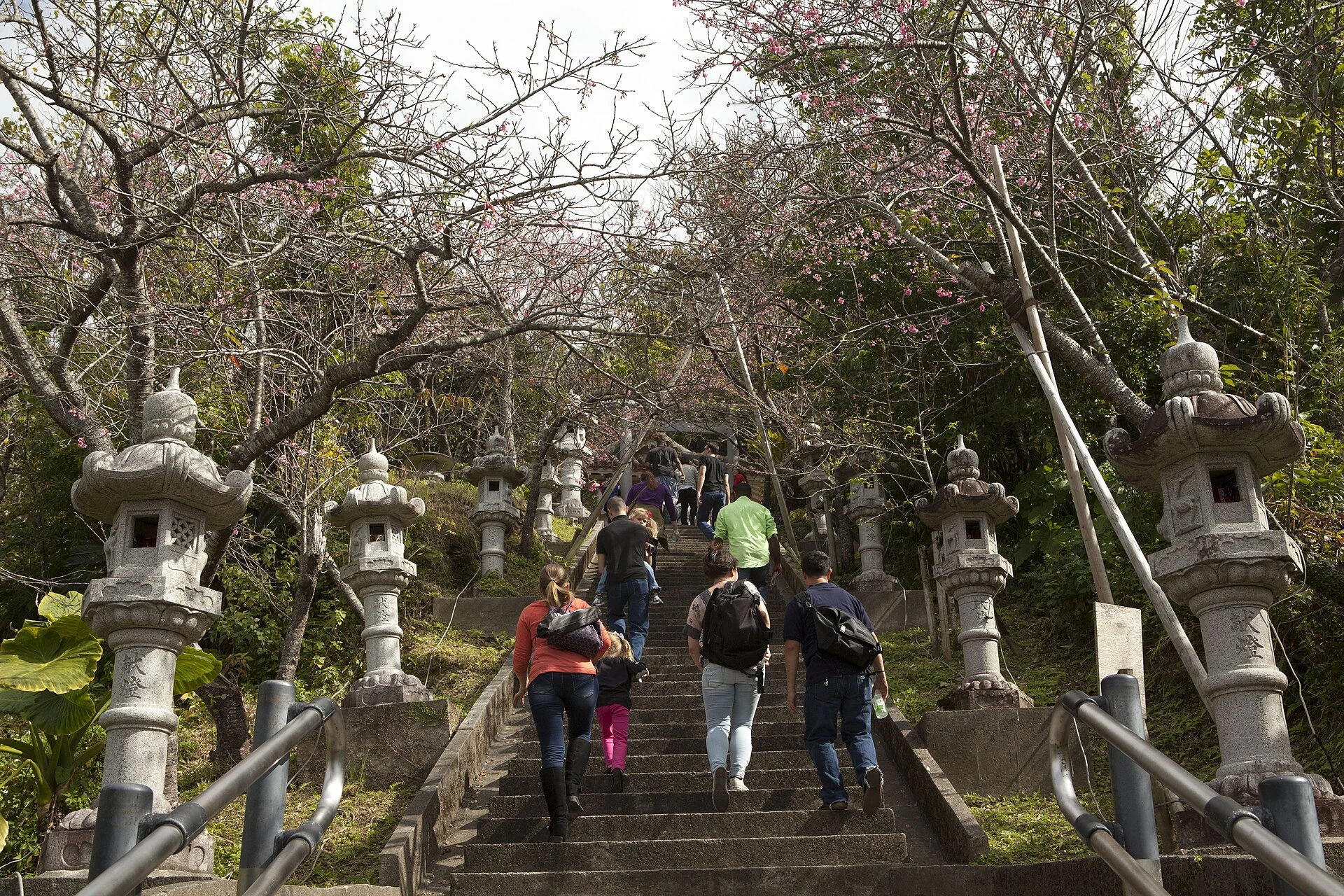
    Cost itemSelf-drive: ask forPrivate driver: ask for
    Core bookingThe exact class, rental period and tax-inclusive total.The confirmed vehicle, journey, service time and group total.
    Fuel and road tollsFuel-return rules; ETC card fee and toll settlement.Whether fuel and expressway tolls are included.
    ParkingHotel and attraction parking costs.Whether parking during the charter is included or payable separately.
    EquipmentChild seats, navigation and any other selected extras.Confirmed child seats and equipment, with any charges.
    Protection and liabilityDeductibles, NOC, exclusions and the selected protection plan.Operator, applicable insurance and service terms.
    Timing changesExtension, late return and after-hours conditions.Waiting, overtime increments and pickup-area surcharges.
    CancellationCancellation and flight-delay terms for this booking.Cancellation, weather and flight-delay terms in the written quote.

    Separate the rental price, deductible and NOC

    These are different parts of a self-drive booking. The deductible is a customer contribution under the applicable cover; a Non Operation Charge (NOC) relates to the vehicle being unavailable while repaired or cleaned. A plan that addresses one does not automatically address the other.

    For a concrete provider example, Toyota’s official insurance guide lists standard NOC amounts of ¥20,000 when a driveable vehicle is returned to the scheduled shop and ¥50,000 when it is not returned there, subject to the stated conditions. Its deductible waiver and Double Protection Package have different coverage. This is a Toyota example checked on the date above, not a charge that applies to every rental or an OkinawaVia fee.

    Read the exclusions and incident procedure before choosing a plan. Toyota also explains that unreported accidents, unauthorised drivers and other breaches can affect cover. Paying for additional protection is not the same as removing every possible responsibility.

    Compare the actual charter quote

    For OkinawaVia, the price depends on the requested journey and vehicle availability. Use our pricing and inclusions guidance to request a written breakdown. Confirm tolls, parking, overtime, tickets, meals and any optional guide service individually. An enquiry starts a discussion; it does not confirm a vehicle or reservation.

    Hotel location belongs in the same calculation. A room that saves on its nightly rate may create additional driving or parking. Our comparison of Naha, Chatan, Onna and Motobu can help you choose a base before pricing the transport.

    Hotels and waterfront buildings in Mihama, Chatan, viewed in January 2025
    Mihama and the Chatan waterfront

    Self-drive documents: check the licence issuer before booking

    For overseas visitors, the relevant question is where the driving licence was issued, together with its validity and the visitor’s circumstances. The place you fly from or the nationality entered on a hotel booking is not enough to decide what documents you need.

    Licence issued inRoute to check before travel
    United States, Singapore, Australia, South Korea or Hong KongCheck the recognised 1949 Geneva Convention IDP route, the permitted vehicle category and rental-company requirements.
    TaiwanCheck the foreign-licence route with an authorised Japanese translation and passport, rather than assuming an IDP is interchangeable.

    Bring the originals required by your rental company

    The National Police Agency’s English guidance recognises the prescribed 1949 Geneva Convention IDP and a separate foreign-licence-and-translation route for specified issuers, including Taiwan. It sets limits on the period of driving, including permit or licence validity and the time since landing; residents and re-entry cases have additional conditions.

    Toyota’s document guide shows the accepted booklet format, vehicle-category stamps, passport requirements and translation arrangements. A 1968 Vienna Convention permit or an unofficial online document is not an equivalent substitute. Confirm the complete set of originals with the branch, including your home licence and evidence of entry where required. Do this before committing to a self-drive itinerary.

    A passenger in a driver service has a different role

    If you are travelling as a passenger with an arranged driver, you are not collecting a self-drive vehicle to operate yourself. Confirm the service booking and passenger details instead. If you plan to drive a rental on another day, complete the driving-document checks for that separate booking.

    Naha Airport collection and return: include the whole process

    Exterior of Naha Airport domestic terminal building, photographed in March 2015
    The domestic terminal at Naha Airport

    Self-drive collection is more than the drive from the airport

    The airport’s official facility listing shows a general rental-car information counter in the first-floor arrivals lobby. That does not establish where your booked vehicle will be handed over. Follow the branch instructions for your particular reservation.

    For example, Toyota Rent a Lease Okinawa’s FAQ describes shuttle transfers to its airport-area branches and return at the branch rather than rental-car drop-off at Naha Airport. Include finding the meeting point, waiting, the shuttle, paperwork and vehicle checks in the arrival plan. A published branch driving time covers only part of that sequence.

    Work backwards from the flight for return day

    For self-drive, allow for refuelling if required, the branch return, inspection or settlement and the transfer back to the terminal. Check the branch’s required return time against your airline’s check-in and baggage deadlines. Do not treat arriving at the rental office as arriving at the airport terminal.

    The official Toyota Okinawa branch list illustrates why the exact shop matters: the Naha Airport and Naha Airport Seaside shops have different locations and access notes. Check current roadworks, branch opening hours and your actual booking rather than borrowing another shop’s estimate.

    For a private transfer, settle the meeting and delay policy

    Ask where the driver will meet you, when included waiting starts, how to make contact and what happens if the flight is delayed. A driver service should be compared against its confirmed instructions, not an assumption of unlimited airport waiting. Our Naha Airport transfer guide covers the onward journey options.
    Parking, navigation and driving duties in Okinawa

    Okinawa Expressway curving below Mount Ishikawa, photographed in January 2020
    Okinawa Expressway beneath Mount Ishikawa

    Check the ordinary driving tasks before deciding

    Driving means handling the small tasks as well as the scenic road: locating an entrance, finding suitable parking, checking signs and getting everyone back to the car. If one person will do all of that, include their energy and preferences in the decision.

    The official Okinawa rental-vehicle guide explains left-side driving, seat-belt requirements, alcohol restrictions, parking systems and restricted bus lanes. Read the guidance before travel and follow current signs and conditions. Plan navigation before setting off and stop safely when a change needs attention.

    Parking is a destination-specific question

    Check your hotel’s parking arrangement, the correct attraction car park and the pedestrian route from it. A business car park is not general sightseeing parking unless that use is permitted. Build the day around authorised places to stop, rather than assuming a roadside space will be available.

    With a private driver, agree suitable pickup and drop-off locations and how to find the vehicle after a visit. It may not be possible to stop immediately outside every door. If walking distance matters, discuss the actual entrance and route in advance.

    Keep a flexible plan for traffic and weather

    Both options use the same road network. Leave a margin before a flight or timed admission, and make secondary stops optional. If conditions change, a shorter day with one main visit can work better than trying to preserve every item on the original list. Review current official notices and the operator’s advice when making changes.

    Luggage, child seats and comfort: compare the usable space

    Churaumi Aquarium building and lawns at Ocean Expo Park, photographed in December 2022
    Churaumi Aquarium in Ocean Expo Park

    Passenger seats and luggage capacity are separate checks

    Send the number of adults and children, suitcase count and approximate dimensions, plus any stroller, wheelchair or other bulky equipment. Count the group on airport and hotel-change days, when all bags travel with you. A sightseeing day after leaving bags at the hotel can need a different amount of storage.

    Check the actual vehicle configuration. A vehicle class or photograph cannot confirm how much space remains when seats and child restraints are in use. Ask for a layout that fits the whole party and equipment without relying on folding a seat that a passenger needs.

    Reserve suitable child restraints with the vehicle

    For self-drive, the official Okinawa guide explains the child-seat requirement for children under six and recommends checking provision when reserving. Give the rental company the child’s age and size so it can confirm a suitable seat.

    For a private vehicle, request the appropriate restraint and confirm its availability, fitting and cost in the written arrangement. Do not assume that a booking titled “family friendly” includes the equipment you need. OkinawaVia confirms child-seat availability for each enquiry.

    Discuss boarding, breaks and assistance in concrete terms

    Instead of asking only whether a vehicle is comfortable, explain what your group needs: fewer steps, space for a folded mobility aid, regular toilet breaks or a shorter walking route. Ask what assistance can be provided. An ordinary van is not automatically wheelchair accessible, and a driver arrangement does not by itself include personal care or a tour guide.

    For a family day in the north, choose the main visit first. Our Churaumi Aquarium guide can help you decide how much of the day to leave for the visit rather than adding more driving stops.

    You can combine self-drive, a private driver and car-free days

    You do not have to choose one transport method for the entire holiday. Compare the total effort and cost of a mixed plan, including any extra collection, return or hotel transfer it introduces. The following are planning examples, not bookable packages.

    Trip patternAn approach to investigateCheck before deciding
    Short Naha stay with one northern outingCity walks and rail, plus a private sightseeing day or a suitable bus option.The northern route, group quote and return time.
    Several coastal or northern nightsSelf-drive for the period when you want to use a car repeatedly.Documents, hotel parking, collection and final return.
    A city-and-resort splitAirport or hotel transfers, local days and a separately planned excursion.Meals near the resort, luggage on transfer day and the exact pickup location.
    Kokusai Street illuminated at night in Naha, photographed in May 2025
    Kokusai Street in Naha at dusk

    For example, a couple who mainly want Naha’s meals and markets may prefer to keep those evenings on foot. A northern excursion can be priced separately. A family staying farther north for several nights may instead value a self-drive vehicle for repeated local outings, provided someone wants the driving role.

    If you are combining Churaumi with a coastal stop, choose priorities before booking the vehicle. The Kouri Island guide and our three-day Okinawa itinerary offer route ideas. Keep time to walk, eat and enjoy the places rather than turning the day into a list of photo stops.

    A quiet lane shaded by fukugi trees in Bise village, photographed in September 2017
    Fukugi trees shading a lane in Bise

    Questions to ask before you book either option

    1. What journey am I comparing? Write the dates, pickup and drop-off, main stops and usable hours.
    2. Does the vehicle fit everyone and everything? Confirm luggage, child restraints and any mobility equipment together.
    3. What is the complete price? Ask about tax, fuel, tolls, parking, equipment and possible additional charges.
    4. Who handles the practical tasks? For self-drive, agree the driver and documents; for a charter, confirm meeting and contact arrangements.
    5. What language and service are confirmed? Booking support, the driver’s spoken language and guiding are separate questions.
    6. What happens when plans change? Read delay, overtime, cancellation and weather conditions.
    7. Does the last day work? Include the full return or transfer sequence before the airline deadline.

    OkinawaVia offers English correspondence and checks English-speaking driver availability when requested. Browse the vehicle options and service FAQs, then ask about your specific journey. Vehicle models, capacity, equipment and availability are confirmed with the quote.

    Okinawa car hire with driver and self-drive: frequently asked questions

    Is car rental with a driver the same as a normal rental car?

    No. A driver service arranges a vehicle and driver for an agreed journey or period. A self-drive booking provides a vehicle for you to drive under the rental contract. Check which service is being offered before comparing the prices.

    Is a private driver cheaper than self-drive in Okinawa?

    Compare actual totals for your group and dates. A rental headline rate leaves out some possible costs, while a charter price may also have exclusions. Use the same vehicle needs, route and time, and check whether each price is per vehicle or per person.

    Can I use a Taiwan driving licence for a self-drive rental?

    Check the authorised Japanese-translation route and the required originals with the rental company. The official document guidance linked above treats Taiwan separately from the recognised IDP route. Confirm eligibility and document validity before travel.

    Will the driver speak English and guide us inside attractions?

    Confirm those services separately. English booking support does not establish the driver’s language, and transport does not automatically include attraction guiding. OkinawaVia checks English-speaking driver requests subject to availability.

    Are tolls, parking and child seats included in a private charter?

    The written quote should say. Ask about each item and confirm the child-seat type and availability. Do not transfer inclusions from a different operator or booking package to your own arrangement.

    Can we change the itinerary during the day?

    Discuss changes with the driver within the agreed service period and practical limits. For self-drive, you can adjust your own route while respecting the rental terms and return time. Either way, traffic and opening times still matter.

    Do we need a car for every day of an Okinawa trip?

    No. A Naha city day can use walking and rail where they suit the stops. Price the longer excursions separately, or rent only for the period when a car helps. Your hotel location and evening plans can change the best combination.

    Editorial note: transport recommendations are OkinawaVia’s planning judgements. Official sources were checked on the date above; reconfirm current documents, operating notices, equipment, prices and booking conditions for your trip. Documentary photographs do not show an OkinawaVia vehicle or imply a personal rental or hotel review.

    Check the rules for your licence’s issuing jurisdiction

    Do not use one international-driving-permit checklist for everyone in a mixed-nationality group. Japan recognises specific document routes and conditions. Taiwan-issued licences, for example, have a recognised Japanese-translation route that should not be confused with generic IDP advice.

    Check your own eligibility, document validity and required evidence with JAF’s driving-in-Japan guidance and the issuing authority. JAF also explains recognised translation issuers. A rental reservation by itself does not establish legal driving eligibility.

    Allow for the rental-office shuttle, paperwork and vehicle collection on arrival, then fuel and return procedures before departure. Compare those hours with the actual days on which you need a car, rather than assuming all calendar rental days are full sightseeing days.

  • Where to Stay in Okinawa: Naha, Chatan, Onna or Motobu?

    Where to Stay in Okinawa: Naha, Chatan, Onna or Motobu?

    Where to stay in Okinawa is really a decision about your days and evenings. Do you want to walk out for dinner in Naha, enjoy Chatan’s waterfront, spend time at an Onna resort, or give the aquarium and northern coast more room? Choose the area first, then compare hotels within the part of it that works for your trip.

    Sand and waterfront at Araha Beach in Chatan, photographed in September 2011
    The sandy shoreline at Araha Beach

    FOUR BASES, FOUR DIFFERENT HOLIDAYS

    Choose Naha for city evenings and the simplest starting point without a rental car; Chatan for a waterfront neighbourhood with dining and shopping; Onna for a holiday centred on the resort; or Motobu for a longer northern stay. The exact hotel pin matters as much as the district name. A room near a station, beach or bus stop can work very differently from another room in the same area.

    Official location and access information checked October 20, 2026. This guide covers Okinawa Main Island. The example hotels help illustrate location choices; they are not a ranking, personal stay review or promise of availability. Photographs show places on the dates stated.

    What is the best area to stay in Okinawa for your trip?

    Start with the experience you want most often, rather than the single attraction you will visit once. If you want several restaurant choices on foot every evening, a remote room with a beautiful view may create more transport planning than you want. If the pool and beach are the purpose of the holiday, a city hotel can be the wrong compromise even when it looks convenient on a map.

    AreaChoose it forMain compromiseWithout a rental car
    NahaFood, shopping, city sightseeing and shorter staysA northern outing needs a separate transport plan.Our easiest starting choice near a useful Yui Rail station.
    Chatan / MihamaWaterfront walks, dining and American VillageA walkable local stay is not island-wide public transport.Can work near the places you want, with airport and excursion arrangements.
    OnnaBeach resorts, pool time and slower daysThe coast is spread out; dining and sightseeing may mean a drive.Can work as a resort stay if the arrival, meals and outings are settled.
    Motobu / BiseChuraumi Aquarium, nearby coastal stops and a northern overnightMore distance from the airport and southern city evenings.Choose the exact hotel and connections carefully; do not assume local buses reproduce a road trip.

    Think south to north: Naha, then Chatan, then the Onna coast, with Nago and the Motobu Peninsula farther north. This is a planning sequence, not a route map. The official main-island overview explains the different regions. Naha Airport is the arrival point for this comparison; Miyako and Ishigaki require a different island plan.

    Where to stay in Naha: city evenings and useful connections

    Naha is our starting recommendation when you want a short trip with food, shopping and some sightseeing, particularly without renting a car for every day. The official Naha guide highlights Kokusai Street, the market lanes and a broad choice of accommodation. Choose a neighbourhood within the city rather than treating all Naha hotel pins as interchangeable.

    Kokusai Street in central Naha illuminated at night in May 2025
    Kokusai Street in Naha at dusk

    Kencho-mae and western Kokusai Street

    Investigate this area if you want a station connection and evenings around the western part of Kokusai Street. Compare the hotel’s actual entrance with the station exit you will use. A short advertised walk can still involve crossings, luggage and a different route to the lobby.

    One example is Hotel Gracery Naha, whose official address is 1-3-6 Matsuo. The hotel publishes approximately five minutes on foot from Kencho-mae Station. Its access page also explains vehicle approach restrictions, which matters if you plan to arrive by car rather than on foot.

    Asahibashi: investigate the bus connection as well as the station

    Look around Asahibashi if a departure from Naha Bus Terminal fits your itinerary. First find the actual boarding point for your service, then compare hotels with it. A hotel near the terminal is helpful only when the bus you need actually serves that terminal at a suitable time.

    The official Yui Rail route map identifies Asahibashi, Kencho-mae (shown in English as Prefectural Office), Miebashi, Makishi and the other stations. It also makes the network’s limits clear: the monorail does not continue to Chatan, Onna or Motobu.

    Makishi and Asato: choose the side of the evening you prefer

    Compare this end of the city if market browsing, food and the eastern part of Kokusai Street feature in your plans. Put your likely dinner destination on the map alongside the hotel. Staying just off a lively street may suit a different sleeping routine from staying directly above it; ask the hotel about room position if that distinction matters to you.

    The rebuilt Makishi Public Market in Naha under a blue sky in July 2023
    Makishi Public Market beneath a blue sky

    Our Makishi Public Market guide covers meal choices and closure checks. Use it to build a walk around the current market, rather than booking a hotel against an old temporary-market map.

    Miebashi and the Tomari side: check the actual port

    A Naha stay can suit a ferry excursion, but “near the port” needs a specific destination. The official city guide distinguishes Tomari Wharf’s island services from departures at Naha Wharf. Check your operator’s terminal and meeting point before deciding that a waterfront hotel is the convenient choice. Leave weather-sensitive island connections separate from your airport deadline.

    Omoromachi: a different Naha routine

    Omoromachi is another station-area option, particularly if the shopping and places on that side of Naha suit your interests. It is not the same evening plan as stepping out beside Makishi Market. Compare the places you expect to visit repeatedly, the room you want and the station walk, then choose between the neighbourhoods.

    Naha is less suitable when: you want the hotel beach or resort grounds to be the main activity every day. It can still be a convenient start or finish to that holiday, but the easy airport connection alone should not determine the entire stay.

    Chatan: stay near the waterfront you actually want to use

    Chatan is a useful alternative when you want a local mix of seaside walks, restaurants and shopping. The official Chatan guide distinguishes Mihama and American Village, the Miyagi/Sunabe coast, and the Araha area. Those are different local settings, not one hotel strip where every room has the same walk.

    Morning view over Mihama and the waterfront hotels in Chatan, Okinawa, in January 2025
    Mihama and the Chatan waterfront

    Mihama and American Village

    Start here if your ideal evening is choosing somewhere to eat, strolling by the waterfront and returning to the hotel without arranging a long journey. Compare the entrance location with the part of the waterfront you prefer. A hotel described as “in Chatan” may be well outside that particular walking circuit.

    Hilton Okinawa Chatan Resort is a location example at 40-1 Mihama, next to the American Village area. Its location and facilities may suit a shortlist, but room type, pool access and the specific booking conditions still need comparison with other properties.

    Sunabe, Miyagi Coast and Araha

    Look at the exact coast you want, rather than assuming you will walk between every Chatan attraction each day. A café-focused stay near Miyagi and Sunabe is a different choice from a hotel near Araha Beach. Check how you will reach your preferred evening area and return, especially with children, luggage or a slower walking pace.

    A local walking base still needs an island transport plan

    Chatan can work without a rental car if you are content with the local area and have settled the airport journey and occasional outings. It is a less straightforward choice if you intend to visit a different distant attraction every morning by public transport. Check the actual bus stop and timetable, or arrange the particular excursion you need.

    Chatan is less suitable when: you want the simplest rail-based arrival or a secluded resort atmosphere. It is worth choosing for the neighbourhood itself, rather than solely because it appears halfway along a map of your attractions.

    Onna: choose it when the resort is part of the itinerary

    Onna is the strongest starting point in this comparison for a resort-led holiday. The official Onna Coast guide describes a coastline nearly 30 kilometres long, with accommodation spread along Route 58. That distance matters: one Onna hotel may create a very different arrival, restaurant and sightseeing plan from another.

    Manza Beach and the resort peninsula viewed across the sea from Cape Manzamo in March 2015
    Manza Beach and the Onna coastline

    Choose the hotel experience, then check the surrounding area

    Decide whether the room, beach, pool or meals are the main reason to stay. Check which facilities your actual room plan includes, their seasonal operation, and whether any reservation or additional payment applies. An ocean-view room description does not answer questions about swimming, pool opening or included dining.

    If you intend to eat outside the hotel, check two or three realistic restaurant locations and the return journey before booking. A map can show a short straight-line distance without revealing the walking route you would use after dinner.

    Do not transfer one resort’s airport estimate to all of Onna

    Halekulani Okinawa’s official location page lists 1967-1 Nakama, Onna, with approximately 75 minutes by car using the expressway or 120 minutes by airport bus. That is a useful property-specific example, not a travel time for every hotel in the village.

    For an arrival without driving, check whether your chosen service reaches the hotel itself or a stop requiring another journey. Confirm the stop, timetable, luggage arrangements and booking method for the relevant travel date. Your evening meal and later sightseeing transport remain separate decisions.

    Leave room to enjoy the stay

    A resort room can offer poor value for your particular trip if you leave early and return late every day. Our suggestion is to include at least one unhurried block at the hotel if the facilities are the reason you selected it. Move distant sightseeing into a deliberately planned outing rather than filling every available day with transfers.

    Onna is less suitable when: you mainly want spontaneous city meals and a new long-distance public-transport trip every day. A resort stay without a car is possible, but it works best when the necessary connections and meals are clear before arrival.

    Motobu and Bise: stay north when you want more than a rushed day trip

    Consider Motobu when the aquarium, Bise or northern coastal stops deserve substantial time in your trip. The official Motobu Peninsula guide describes the villages, coastal stays and attractions, while noting infrequent bus services around much of the peninsula. A northern hotel changes where you start the day; it does not make every northern stop walkable.

    Exterior of the Orion resort hotel in Motobu, Okinawa, photographed in September 2017
    The Orion resort hotel in Motobu

    The aquarium and Bise area

    If Churaumi Aquarium is the main reason for the northern stay, compare the hotel with the aquarium entrance and the walks you actually want. The Orion Hotel Motobu Resort & Spa’s official access page places the property at 148-1 Bise and publishes approximately seven minutes on foot to the aquarium. That specific relationship is more useful than a general “northern Okinawa hotel” label.

    Churaumi Aquarium building and visitor area in Motobu, photographed in December 2022
    Churaumi Aquarium in Ocean Expo Park

    Our Churaumi Aquarium guide helps you decide how much of the day belongs there. Staying nearby can give that visit room to breathe without requiring you to add more attractions simply because you have a northern room.

    Motobu, Nago and Nakijin are not interchangeable pins

    A room near Nago’s urban services, a Bise-side resort and a more secluded Nakijin property can all appear in broad “north Okinawa” searches. Check each against your chosen stops. If Kouri Island is important, use our Kouri Island guide for the local route decisions rather than assuming every northern hotel is equally convenient.

    Protect your final airport journey

    The Orion hotel’s access page gives approximately 100 minutes by car from Naha Airport using the expressway, and lists several bus options with different stops, durations and booking arrangements. Treat those as published transport guidance, allowing for traffic and the full airport process. For an early departure, consider whether a final night nearer the airport better fits your group.

    Motobu is less suitable when: your short stay is mainly about Naha evenings or frequent trips to the south. It is most persuasive when the northern location reduces journeys you would otherwise repeat.

    Four hotel location examples to check on the map

    These examples illustrate different bases using hotel-operated information checked October 20, 2026. They are not a list of the four “best hotels.” Follow the official links to compare your actual dates, room, occupancy and facilities.

    Area / exampleOfficial locationWhy investigate it?
    Naha / Hotel Gracery Naha1-3-6 MatsuoPublished five-minute walk from Kencho-mae Station; compare the station and Kokusai Street routine.
    Chatan / Hilton Okinawa Chatan Resort40-1 MihamaA waterfront-area base beside the American Village neighbourhood.
    Onna / Halekulani Okinawa1967-1 NakamaA specific resort location with published hotel and airport-bus connections.
    Motobu / Orion Hotel Motobu Resort & Spa148-1 BiseA northern hotel with a published walk to Churaumi Aquarium.

    Check that an older recommendation still operates. Tokyu Hotels confirms that Naha Tokyu REI Hotel ended operations on September 30, 2026. It still appears in some accommodation guides. For any shortlisted property, check the current official name, address, operating notices and availability before relying on an older review or access page.

    Airport access: compare the last part of the journey too

    A district name cannot tell you whether the last connection is easy. Compare the point where you leave the train or bus with the hotel entrance, and check the timing against your actual flight. The examples below are estimates published by the named hotels, not door-to-door guarantees for the whole area.

    Property examplePublished airport accessStill confirm
    Hotel Gracery NahaAbout 15 minutes by car; about 13 minutes by Yui Rail to Kencho-mae, then about five minutes walkingStation exit, walking route and vehicle entrance.
    Hilton Okinawa Chatan ResortAbout 40 minutes by car in the hotel’s guidanceActual transfer or bus choice; arrival time and current stop.
    Halekulani OkinawaAbout 75 minutes by expressway car journey; about 120 minutes by airport busService schedule, hotel entrance served and reservation method.
    Orion Hotel Motobu Resort & SpaAbout 100 minutes by expressway car journey; several bus services listedChosen operator, exact stop, timetable and the walk to reception.

    These times do not include immigration, baggage collection, waiting for a departure or rental-car procedures. Our Naha Airport transfer guide covers the arrival decision in more detail. If your flight lands late, check the last usable connection before choosing a northern or resort hotel.

    If arranging a private journey, match the vehicle and luggage requirements to your party and read the pricing guidance before requesting a quote.

    For day trips, work from the base you have chosen. Do not travel to Naha simply to begin a route that can sensibly start at your Onna or Motobu hotel. Equally, an airport bus reaching a resort does not establish a convenient public-transport loop around several attractions.

    Should you choose one base or split your Okinawa stay?

    Move hotels when the new location changes a meaningful part of the holiday. Packing, check-out, luggage storage and the next check-in all use time. A short drive saved on one morning may not justify a move; several northern days or a deliberate city-and-resort combination can make a stronger case.

    A shaded fukugi-lined lane at Bise village in Motobu, photographed in September 2017
    Fukugi trees shading a lane in Bise
    Available nightsOur starting approachWhen to reconsider
    Two or threeOne base chosen around the main purpose of the stayAn early flight or a specific hotel experience changes the priorities.
    Four or fiveOften one base; consider a city/resort split only if both deserve timeA hotel change consumes too much of the usable sightseeing time.
    Six or sevenInvestigate two bases, such as Naha plus Onna or MotobuYou prefer a slow resort holiday, or most outings are near one hotel.

    These are planning suggestions, not minimum stay rules. For six nights, for example, two city nights plus four resort nights may be more coherent than moving every day. If the north is the priority, compare Naha plus Motobu instead. Choose the combination for the places you want, rather than trying to collect all four districts.

    For a shorter sightseeing stay, use our three-day Okinawa itinerary as a route framework. If you are travelling without driving, our Okinawa without a car guide covers the transport choices. The question here is where the hotel belongs in that plan.

    Compare the full stay: parking, meals, room occupancy and facilities

    Put parking and meals beside the room rate

    Compare the complete amount for the same dates, number of guests and cancellation terms. Add parking if driving, and price the meals you realistically expect to buy. A breakfast plan may simplify a resort morning; a city stay may give you more scope to choose a different breakfast nearby. Neither arrangement is automatically cheaper.

    Parking illustrates why the hotel name matters. As checked October 20, 2026, Hilton Chatan listed self-parking at ¥500 per day, capped at ¥2,000 for four or more nights. Halekulani Okinawa listed ¥3,000 per vehicle per night, with exemptions for specified room categories. Check the applicable plan and current conditions; do not apply one resort’s policy to another.

    Enter the actual children’s ages and bedding needs

    Occupancy is more specific than “family room.” Confirm beds, maximum occupancy, children’s ages, breakfast charges and whether sharing an existing bed is part of the offer. For example, Hilton Chatan’s published policy counts guests aged six and over as adults and allows under-sixes to stay free only when sharing existing bedding. That is one hotel’s policy, not an Okinawa-wide rule.

    Check the facilities that determine the holiday

    If the pool, beach, spa, connecting rooms or a step-free route is essential, ask about that exact facility and room type before paying. Check seasonal dates, maintenance, any access rules and what is included. Photographs and an “ocean view” label cannot establish all of those details.

    For the timing decision, our best time to visit Okinawa guide separates seasonal sightseeing choices from swimming and current conditions. Choose a hotel that supports the holiday you want in the month you are actually travelling.

    A simple checklist before booking your Okinawa base

    1. Choose the island and arrival airport. This comparison assumes Naha Airport and Okinawa Main Island.
    2. Name your two main priorities. For example, city food and one northern outing, or resort time and a coastal excursion.
    3. Choose the area, then the exact hotel pin. Compare its entrance with the station, bus stop, beach or neighbourhood you need.
    4. Plan one ordinary evening. Work out dinner and the return journey, not just the daytime attractions.
    5. Check arrival and departure independently. A convenient afternoon connection does not establish an early-morning return.
    6. Compare the same booking. Dates, guests, bedding, meals, facilities, parking and cancellation terms should match.
    7. Confirm current operating notices. Check the hotel’s official site before relying on an older list or review.

    If local food is one of the reasons for choosing Naha or Chatan, our Okinawa food guide can help you choose the meals you want to build around. You can decide the dishes first, then look at where that leaves your evenings.

    Where to stay in Okinawa: frequently asked questions

    Where should first-time visitors stay in Okinawa?

    Naha is our starting choice for a shorter city-and-sightseeing trip, especially without a rental car. Choose Chatan if the waterfront neighbourhood appeals, Onna if the resort is the purpose, or Motobu if you want to spend more time in the north. There is no single best area for every first visit.

    Is Naha or Onna better?

    Naha better suits city meals, rail connections and an urban base. Onna better suits a resort-led holiday with time for the beach, pool or hotel facilities. Compare the actual hotel and transport plan rather than selecting on the area name alone.

    Where should I stay in Okinawa without a car?

    Start with a Naha hotel near a useful Yui Rail station if you want to explore widely without driving. Chatan or an Onna resort can also work for a more local stay when the airport connection, meals and chosen excursions are arranged. They are different kinds of car-free holiday.

    Is Chatan close enough to walk everywhere?

    It depends on the hotel and the places you mean. A Mihama stay can support a local waterfront and dining routine, but Sunabe, Araha and farther destinations need their own route checks. Walkability within a neighbourhood does not mean that northern sightseeing is on foot.

    Should families stay in Motobu for Churaumi Aquarium?

    Consider it if the aquarium and surrounding northern area deserve a substantial part of the trip. A nearby hotel can make that part less rushed. It is not automatically the best base if most other plans are in Naha or if the airport schedule makes a northern overnight awkward.

    Do I need to change hotels to see Okinawa?

    No. A short trip can work from one well-chosen base. Investigate a split stay when several days in a different area would save repeated journeys or create a deliberate city-and-resort holiday. Include luggage and check-in time when comparing the options.
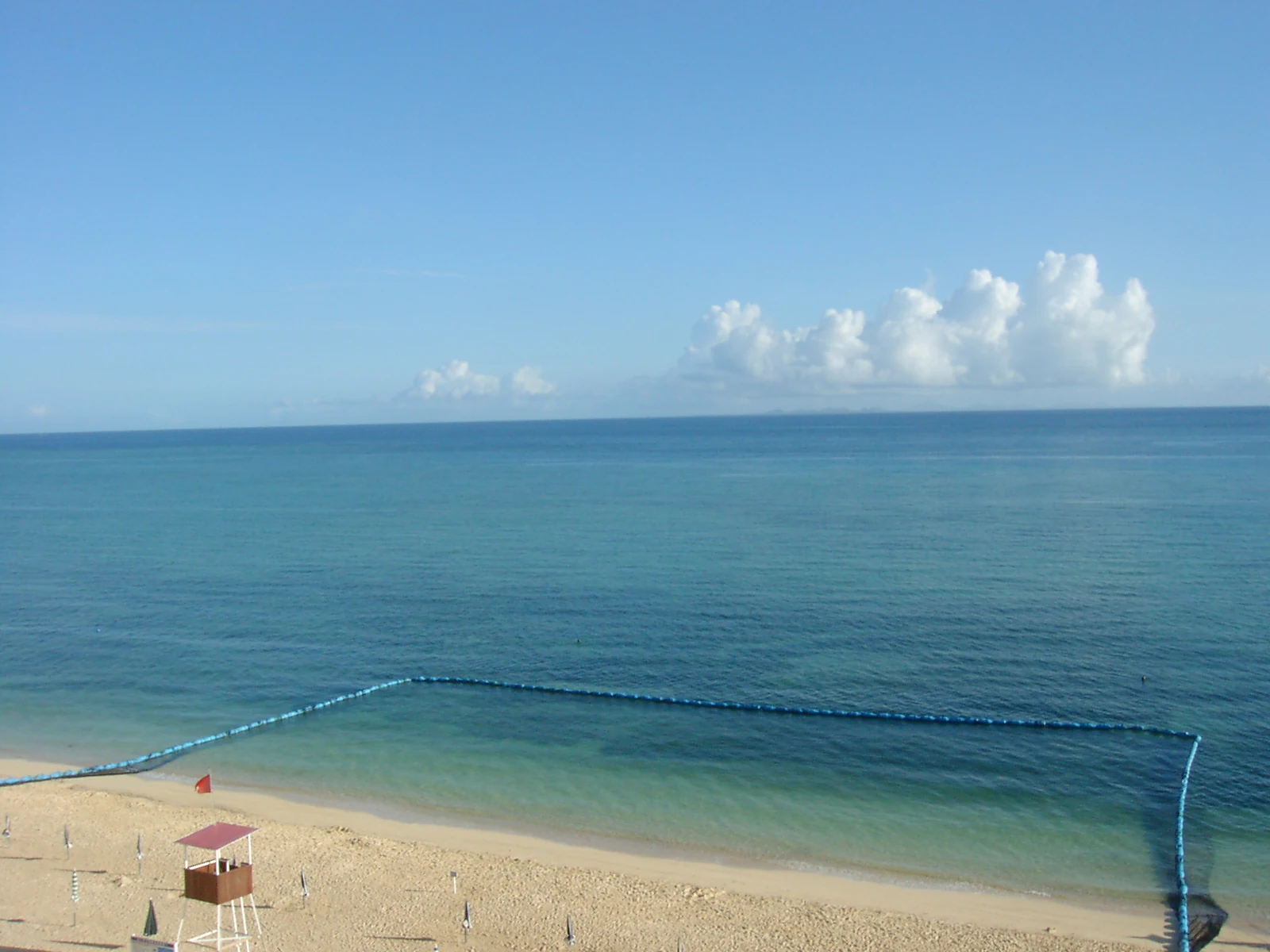
    Can I drive from these areas to Ishigaki or Miyako?

    No. Naha, Chatan, Onna and Motobu are main-island locations. Ishigaki and Miyako are separate island groups with different arrival and transport arrangements. Choose the island plan before comparing hotel districts.

    Editorial note: area and stay-length recommendations are OkinawaVia’s planning judgements. Hotel facts are linked to official sources and were checked on the date above. Confirm current rooms, operating notices, transport schedules and booking conditions for your own dates. Documentary photographs do not imply a personal hotel review or current room availability.

  • Best Time of Year to Visit Okinawa: Seasons and Travel Style

    Best Time of Year to Visit Okinawa: Seasons and Travel Style

    The best time to visit Okinawa depends on what you want to do once you arrive. A week built around swimming needs a different calendar from a Naha food break, a northern sightseeing drive or a winter whale-watching trip. Start with your one essential experience, then choose the season that gives it the best chance.

    The best time of year to visit Okinawa depends on the weather, crowds and activities you prefer. Compare the seasons below before choosing your dates.

    Sand and clear blue water at Kouri Beach, Okinawa, photographed in June 2024
    White sand and clear water at Kouri Beach

    CHOOSE YOUR SEASON, THEN YOUR ROUTE

    For a first trip mixing sightseeing, food and coastal views, our starting choices are April outside Golden Week, or October–November. For a summer beach holiday, consider late June–July after checking the year’s rainy-season conditions; August–September remain warm but need particular flexibility for typhoons. Winter suits a different trip: walks, culture, early cherry blossoms and seasonal whale-watching tours.

    These are editorial planning recommendations, not weather guarantees or a claim that one month is always cheapest. Official climate and visitor information checked October 19, 2026. This guide focuses on Naha and Okinawa Main Island, with separate considerations for island excursions.

    When is the best time to visit Okinawa for your trip?

    If you are choosing dates freely, separate “warm enough to enjoy being outside” from “a holiday centred on the sea.” You can admire the coast, eat well and explore villages without spending hours in the water. Conversely, a beautiful spring afternoon does not establish that your chosen beach has opened for swimming.

    Your main priorityDates to investigate firstThe trade-off
    First visit: sightseeing, food and coastApril outside Golden Week; October–NovemberA balanced starting point, with beach availability checked separately.
    Swimming and a summer resort stayLate June–July; also August–September if flexibleHeat, showers and possible storm disruption; no guaranteed sea conditions.
    Walking, markets and cultural stopsMarch–April or November; winter if you welcome cooler daysBring layers and allow for rain or wind.
    Early cherry blossomsMid-January–mid-February, following bloom updatesTiming differs by location and year.
    Whale watchingWinter, matching the selected operator’s seasonBoat departures depend on sea conditions; sightings are wildlife encounters.
    The lowest practical trip costCompare several non-holiday date windowsThere is no universally cheapest month for every flight route and hotel.

    The table is our decision framework. The official Okinawa seasons guide describes the broad pattern of long summers and mild winters. Use that background to choose a window, then look at the exact activities and accommodation you want.

    Okinawa month by month: climate context for choosing dates

    These are Naha’s 1991–2020 monthly climate normals from the Japan Meteorological Agency (JMA). Temperatures are monthly means, not daily maximums; rainfall is a monthly total. They describe a long-term pattern, not this year’s forecast or every Okinawan island. The final column contains our planning prompts.

    MonthMean air temperatureRainfallPlanning prompt
    January17.3°C / 63°F101.6 mmCulture and seasonal winter outings.
    February17.5°C / 64°F114.5 mmFollow local blossom updates.
    March19.1°C / 66°F142.8 mmFlowers and a flexible walking plan.
    April21.5°C / 71°F161.0 mmCheck beach openings and holiday dates.
    May24.2°C / 76°F245.3 mmAllow indoor alternatives.
    June27.2°C / 81°F284.4 mmA transition month, not a fixed switch.
    July29.1°C / 84°F188.1 mmBuild a beach-led plan with breaks.
    August29.0°C / 84°F240.0 mmKeep weather-dependent days movable.
    September27.9°C / 82°F275.2 mmSummer warmth still needs flexibility.
    October25.5°C / 78°F179.2 mmCombine the coast with cultural stops.
    November22.5°C / 73°F119.1 mmPrioritise sightseeing over pool promises.
    December19.0°C / 66°F110.0 mmPlan an enjoyable land-based trip.

    Less rain does not automatically mean more blue sky. JMA’s Okinawa climate overview shows that winter has relatively little rainfall but less sunshine, while summer has more sunshine despite wetter months. Nor does a monthly rain total tell you how many hours of your particular stay will be wet.

    What each Okinawa season means for your holiday

    December–February: a winter sightseeing trip, with seasonal highlights

    Choose winter if you would enjoy Okinawa even without a swimming day. A Naha base can work well for food, pottery and cultural visits, with a carefully chosen excursion on a suitable day. Pack for the possibility of wind and an overcast afternoon, rather than treating “subtropical” as a promise of beachwear weather.

    Cherry blossoms lining steps climbed by visitors at Nago Castle Ruin Site Park in January 2014
    Cherry blossoms at Nago Castle Ruin Site Park

    Okinawa’s deep-pink cherry blossoms normally appear much earlier than the mainland’s familiar spring sakura season. The official January guide places the broad window between mid-January and mid-February, with northern main-island locations flowering earlier. Follow the chosen site’s current bloom reports before fixing a long drive around it.

    The same official guide identifies winter whale watching around Naha and the Keramas as a seasonal highlight. Check the operator’s actual operating dates, meeting point and weather cancellation terms. Leave another possible day for the outing if it matters to your trip; a scheduled season does not guarantee a departure or a sighting.

    March–April: flowers and a gentler sightseeing pace

    This is an appealing starting window for a holiday built around walks, scenic stops and time to eat. Rather than filling every day with a long drive, choose a northern day and a Naha day, then decide whether the coast or a garden deserves the remaining space.

    Pink azaleas in bloom at Sonmin-no-mori Azalea Park in Higashi in March 2024
    Pink azaleas in bloom in Higashi

    The official March guide highlights azaleas in Higashi and other seasonal flowers. Its April guide describes the opening of the beach season. Treat those as different opportunities: a flower walk can suit a cool day, while a swim depends on the specific beach’s opening and conditions.

    April before Golden Week is one of our preferred windows for a first mixed trip. That is a judgement about the balance of activities, not evidence of consistently low prices or empty attractions. Check the exact holiday calendar before assuming that the final days of April are quiet.

    May–June: rainy-season choices, with room to change the day

    May and June can still make a rewarding trip if your essential experiences are meals, culture, indoor attractions and coastal sightseeing when suitable. They are less comfortable choices if the success of a very short holiday depends on one perfect beach afternoon.

    Kokusai Street illuminated at night with reflections on the road in May 2025
    Kokusai Street in Naha at dusk

    The official June guide recommends indoor crafts and museums alongside seasonal flowers. Build that flexibility into the booking stage. Keep an indoor option in the same area as your outdoor plan so that changing course does not require crossing the island.

    A market lunch can become the main event of a Naha day rather than an afterthought. Our Makishi Public Market guide explains the floors, meal options and closure checks. Rain is not a reason to ignore business hours: a covered shopping lane and a particular restaurant do not necessarily share one schedule.

    Late June–July: a summer beach holiday, if conditions cooperate

    For travellers whose priority is time in the water, late June into July is worth investigating first. The attraction is the summer pattern after the typical rainy-season transition, rather than a guarantee that a specific June booking falls after the rain. Avoid choosing a flight solely because a guide gives one fixed “end of rainy season” date.

    Turquoise sea and sand at Uppama Beach in Nakijin, Okinawa, photographed in June 2001
    Turquoise water at Uppama Beach

    The official July guide describes a full beach season, summer events and marine activities, while also noting showers and possible typhoons. Plan a manageable beach session and a slower meal or indoor stop, rather than assuming everyone wants to spend the whole day outside.

    If the beach is your main activity, choose accommodation and transport around that beach first. A striking northern coastal photograph should not push you into a hotel location that makes every day a long transfer.

    August–September: summer warmth with a stronger need for flexibility

    Do not write off these months if school holidays determine your dates. Instead, choose a trip that remains enjoyable when a boat or beach day moves. Book the essential accommodation and transport, understand cancellation conditions and leave room between a weather-dependent excursion and an important flight.

    The official August guide highlights eisa and the sea, while explaining that Okinawa’s lunar-calendar Obon dates change each year. A festival you saw in an August article may not fall on your August dates. Check the organiser’s current programme, and keep transport arrangements separate from any assumption of a guaranteed performance.

    October–November: coast, culture and comfortable sightseeing choices

    October is our autumn starting point if you want to combine some beach time with sightseeing. November is a stronger fit if you are happy to put food, villages and cultural visits ahead of swimming. Neither month requires you to fill the trip with indoor activities; the point is to choose a holiday that works without a particular water activity.

    Eisa drummers in a Shuri Castle Festival procession on Kokusai Street in Naha in October 2013
    Eisa drummers at the Shuri Castle Festival

    The official October guide describes marine activities and cultural outings, but specifically says to check swimming restrictions. The November guide recommends markets and cultural experiences, with a layer useful for cooler moments. For festivals, confirm this year’s dates and venues before reserving a hotel around the event.

    Continue to check JMA information in autumn. A reassuring seasonal summary is not a substitute for the forecast and transport operator’s notices for your actual dates.

    Best time for Okinawa beaches, swimming and snorkelling

    Choose the activity before choosing the month. Sitting beside the sea, swimming in a managed beach area and joining a boat snorkelling trip each involve different conditions. A beach can be attractive for a walk outside its swimming season, and a warm sea does not establish that a boat trip will run.

    ExperienceAsk before bookingWhy it changes the choice
    Managed beach swimmingSeason dates, lifeguard hours, permitted area and daily restrictionsA general description of warm weather is insufficient.
    Snorkelling or diving tourOperating season, exact package, equipment, age rules and weather policyDifferent packages can operate on different calendars.
    Resort pool holidayOutdoor pool dates, opening hours and whether the desired pool is heatedA room booking does not establish year-round pool service.
    Coastal sightseeingAccess, wind and any closure noticeYou can plan for the view without promising a swim.

    A useful real example is Emerald Beach’s official facility page. On October 19, 2026 it listed swimming-area hours through October 31, 2026, of 08:30–17:00, with swimming limited to the designated Asobi-no-hama area. It also states that snorkels cannot be used. This is one beach’s dated guidance, not a timetable for all Okinawa beaches or for next year.

    For a northern scenic day, our Kouri Island guide helps distinguish the beach, bridge viewpoints and other stops. Decide whether the day is primarily for swimming or sightseeing before adding distant attractions.

    When is Okinawa’s rainy season, and should you avoid it?

    JMA’s rainy-season guidance for visitors puts Okinawa’s normal onset around May 10 and withdrawal around June 21, based on 1991–2020. Each date represents the centre of a transition of about five days; the actual season varies each year. This is earlier than the rainy-season calendar many travellers associate with mainland Japan.

    Whether to avoid it depends on how much flexibility you have. A sightseeing-and-food trip can absorb a changed outdoor afternoon more easily than a two-night stay built around one boat departure. Equally, the term “rainy season” does not establish that every hour will be wet. Wait for the relevant forecast before deciding the order of your days.

    Manta ray swimming in a blue indoor tank at Okinawa Churaumi Aquarium in December 2024
    A manta ray at Churaumi Aquarium

    Keep a realistic indoor plan. Churaumi Aquarium’s official introduction identifies its indoor marine exhibits; our Churaumi Aquarium guide covers how to organise a visit. A museum, aquarium or booked craft workshop can make an ordinary rainy day worthwhile. Severe-weather warnings and closures take priority over that backup plan.

    In Naha, a relaxed food day is another useful alternative. Use our Okinawa food guide to choose dishes rather than chasing a long list of scattered restaurants. Reserve only what needs reserving, and leave room to adjust the walking portion.

    Typhoon season: protect the shape of your trip

    JMA’s Okinawa typhoon overview identifies August–September as the period with the most approaches in the 1991–2020 normals. That is a seasonal pattern, not a prediction that a particular trip will be disrupted. Nor is an autumn month automatically typhoon-free: JMA’s historical approach table records approaches outside the summer peak, including November.

    The word “approach” has a specific statistical meaning: a storm centre within 300 kilometres of one of Okinawa’s designated weather stations. It does not mean every island was hit or that the centre made landfall. For travel decisions, look at your island, the forecast and the actual service notices.

    If you are considering the Keramas or another island

    Keep the ferry or boat outing separate from your onward-flight assumptions. The official typhoon precautions guide explains that ferry disruption can continue longer than flight disruption. Our planning suggestion is to avoid making a weather-dependent island return the only way to catch an important flight immediately afterwards.
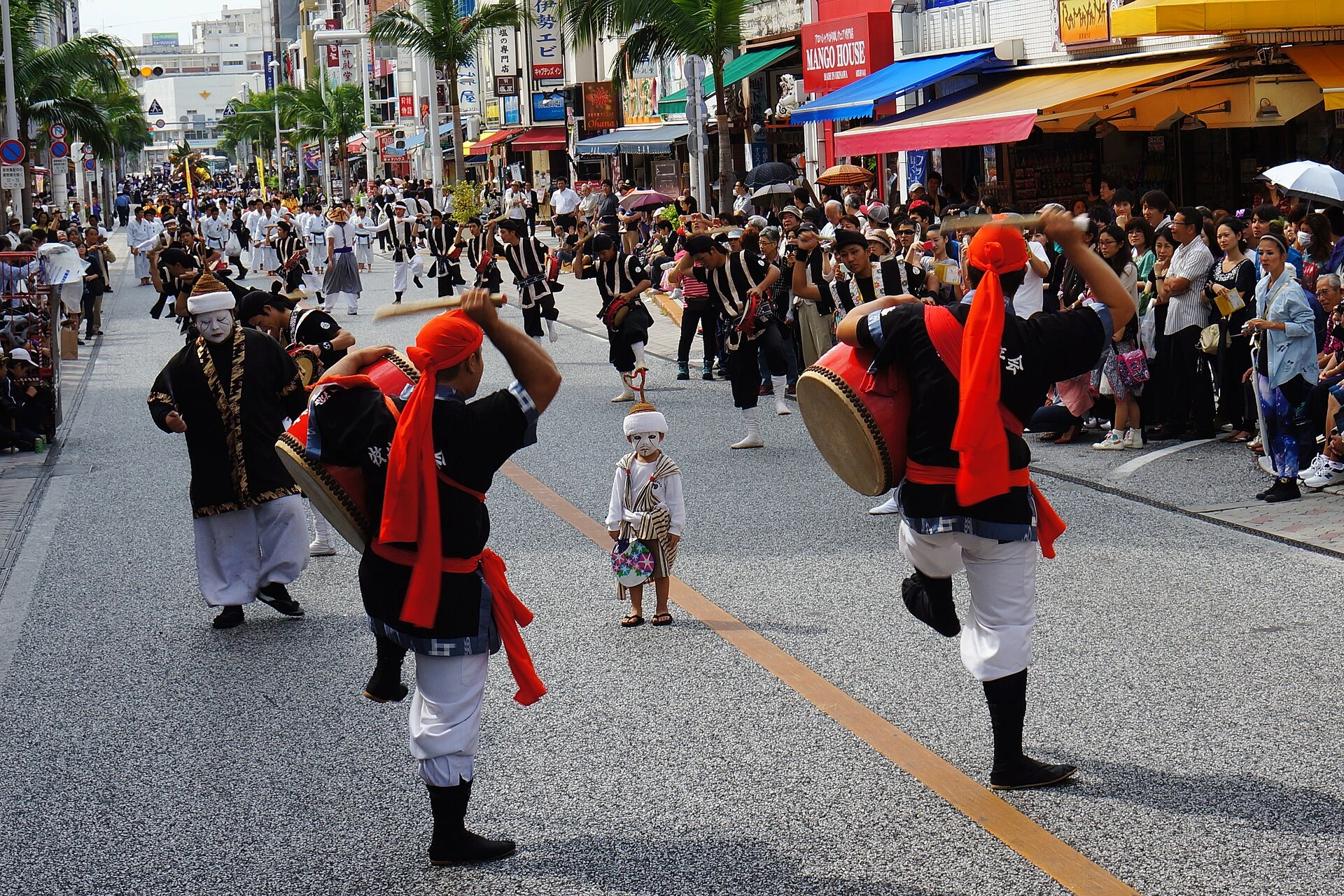
    Check the operator’s meeting time, cancellation notice process, refund terms and alternative dates before booking. A package advertised in a broad “spring activities” article may have a narrower operating season when you open its actual booking calendar. Read the selected option, rather than relying on the headline photograph.

    If a warning affects your stay

    Follow local guidance, stay away from the coast and do not replace a cancelled boat trip with exposed sightseeing. Consult JMA’s English Okinawa weather information, your accommodation and the relevant transport operator. A private vehicle does not make a closed road, bridge or attraction available.

    When are crowds and prices worth checking most carefully?

    Start with exact dates rather than an annual “cheap season” label. The official May guide flags Golden Week from late April into early May as a busy travel period. Summer holidays, major events and your departure market’s holidays also belong in the comparison. A quiet weekday at one attraction does not prove that flights or resort rooms are inexpensive.

    For travellers from the United States, Singapore, Australia, South Korea, Hong Kong and Taiwan, compare the dates around your own school and public holidays as well as Japan’s. The same Okinawa week can have different flight costs and connections from different departure airports. Do not assume a price recommendation written for one market applies to your route.

    Compare the complete trip, not just the room

    Price the same number of nights, the same party and a similar cancellation policy across two or three windows. Include baggage, arrival transfers and the activities that matter. A lower room rate is not automatically better value if your desired pool is closed, the seasonal tour does not run or an awkward flight uses up most of a short stay.

    Make festivals a deliberate choice

    An event can be the reason for choosing a date, or a reason to choose a different one if you want a quieter routine. Check the event organiser’s programme, road restrictions and accommodation availability together. Do not transfer a lunar-calendar festival’s date from an old article into a new year’s itinerary.

    Match the season to the way you want to travel

    A quiet lane shaded by fukugi trees in Bise village, Okinawa, photographed in September 2017
    Fukugi trees shading a lane in Bise

    A first-time sightseeing and food trip

    Start with April or October–November, then compare your actual flights and must-do activities. Choose a Naha food-and-culture day and one main northern sightseeing day. Our three-day Okinawa itinerary provides a route framework; use the weather forecast to decide which day gets the coast.

    A family resort holiday

    If the holiday only works with daily pool or beach time, check those facilities before booking the room. Compare how much travel your family wants between activities, and leave room for a slower afternoon. A shorter itinerary with one essential outing may be more enjoyable than a checklist that requires a vehicle journey after every swim.

    A Naha stay without renting a car

    A land-based city break gives you more scope to choose a cooler or rainier window without losing the purpose of the trip. Pick accommodation around the places you expect to walk and the transport you plan to use. Our Okinawa without a car guide separates Naha travel from the challenges of farther sightseeing.

    A beach-led or island-hopping trip

    Work backwards from the actual beach or marine operator’s season. Put a possible second activity day into the plan, and keep your flight connection resilient to changes. Main-island climate averages are useful background, but an Ishigaki, Miyako or Kerama itinerary needs its own local forecast and operator checks.

    A practical checklist: turn your date window into a workable itinerary

    1. Name the one essential experience. Decide whether a swim, seasonal outing, festival or particular sightseeing area determines the trip.
    2. Choose two possible date windows. Compare the relevant climate pattern, holiday calendar and operator season.
    3. Check the complete booking. Review flights, accommodation facilities, activity inclusions and cancellation terms for the same party.
    4. Choose the base before adding stops. A northern resort holiday and a Naha city break create different transport needs.
    5. Keep one useful alternative. Put it near your planned area and confirm its opening schedule.
    6. Recheck closer to travel. Use forecasts and live service notices to set the final order of the days.

    Once the dates and hotel area are clear, use our Naha Airport transfer guide for the arrival decision. Settle the airport journey before filling the arrival afternoon with sightseeing.

    Best time to visit Okinawa: frequently asked questions

    What is the best month to visit Okinawa for the first time?

    Our starting choice for a mixed sightseeing-and-food trip is April outside Golden Week, or October–November. Choose summer instead if swimming is the essential activity, and winter if you prefer a land-based trip with seasonal highlights. Check the specific activities before deciding between otherwise suitable months.

    Is May or June a bad time to visit Okinawa?

    They overlap the normal rainy-season period, so they call for flexibility. A city, food and culture trip can still work well; a short holiday depending entirely on a boat outing is less resilient. Use the year’s actual conditions and the operator’s policies rather than a fixed annual cutoff.

    Can you swim in Okinawa in April or November?

    Possibly, but air temperature alone does not answer that question. Check the chosen beach’s swimming dates and lifeguard hours, or the marine operator’s season and equipment guidance. A resort’s outdoor pool may have its own separate calendar.

    When should I visit Okinawa for cherry blossoms?

    The broad official window is mid-January to mid-February, earlier than much of mainland Japan. Timing moves through different locations and varies each year. Use current bloom updates for the site you want, rather than booking a March trip on the assumption that Okinawa follows the mainland calendar.

    Is October safe from typhoons?

    October is outside the August–September peak in the JMA climate pattern, but it is not a typhoon-free promise. Check current information before and during travel, and keep weather-dependent activities flexible.

    Which month is cheapest for an Okinawa holiday?

    There is no single answer for all departure airports, hotels and travel styles. Compare several non-holiday date windows for the complete trip, including the cancellation terms and seasonal facilities you need. A low room rate alone does not establish the best value.

    Does Naha weather describe all of Okinawa?

    No. Naha’s climate normals are a useful reference for the main island, not a forecast for every island group. For Miyako, Ishigaki or a Kerama excursion, consult the relevant local forecast, transport notices and activity operator.

    Editorial note: month choices and itinerary suggestions are OkinawaVia’s planning judgements, informed by the official sources linked above. Climate normals, current forecasts, opening calendars and individual booking conditions answer different questions. Photographs are licensed documentary images from the dates stated in their captions.