Whale sharks may bring you to Churaumi Aquarium. Make room for the coral gardens, smaller creatures and the sea beyond its windows, and the visit becomes much more than one photograph of a giant tank.
Looking up the Churaumi Aquarium ticket price? Check the official ticket information linked below when planning your visit, together with travel time from your hotel.
PLAN THE VISIT, THEN THE JOURNEY
Our starting suggestion: allow 2–3 hours inside the aquarium, and longer for a meal, the outdoor marine facilities and the walks between them. Choose one programme you particularly want to see before arranging your return. Churaumi is in Motobu, in northern Okinawa Main Island, rather than in Naha.
Official visitor information checked on October 15, 2026. Visit-time suggestions below are our planning allowances, not timed entry slots or promises about crowds.
Churaumi Aquarium at a glance
Okinawa Churaumi Aquarium sits within Ocean Expo Park in Motobu. Its setting matters: arriving at the park, reaching the paid aquarium, watching an outdoor programme and returning to your bus are separate parts of the visit. A bus stop or parking space is not the entrance to the Kuroshio Sea gallery.
| Planning question | A useful starting point |
|---|---|
| Where is it? | 424 Ishikawa, Motobu, Okinawa Main Island, within Ocean Expo Park. |
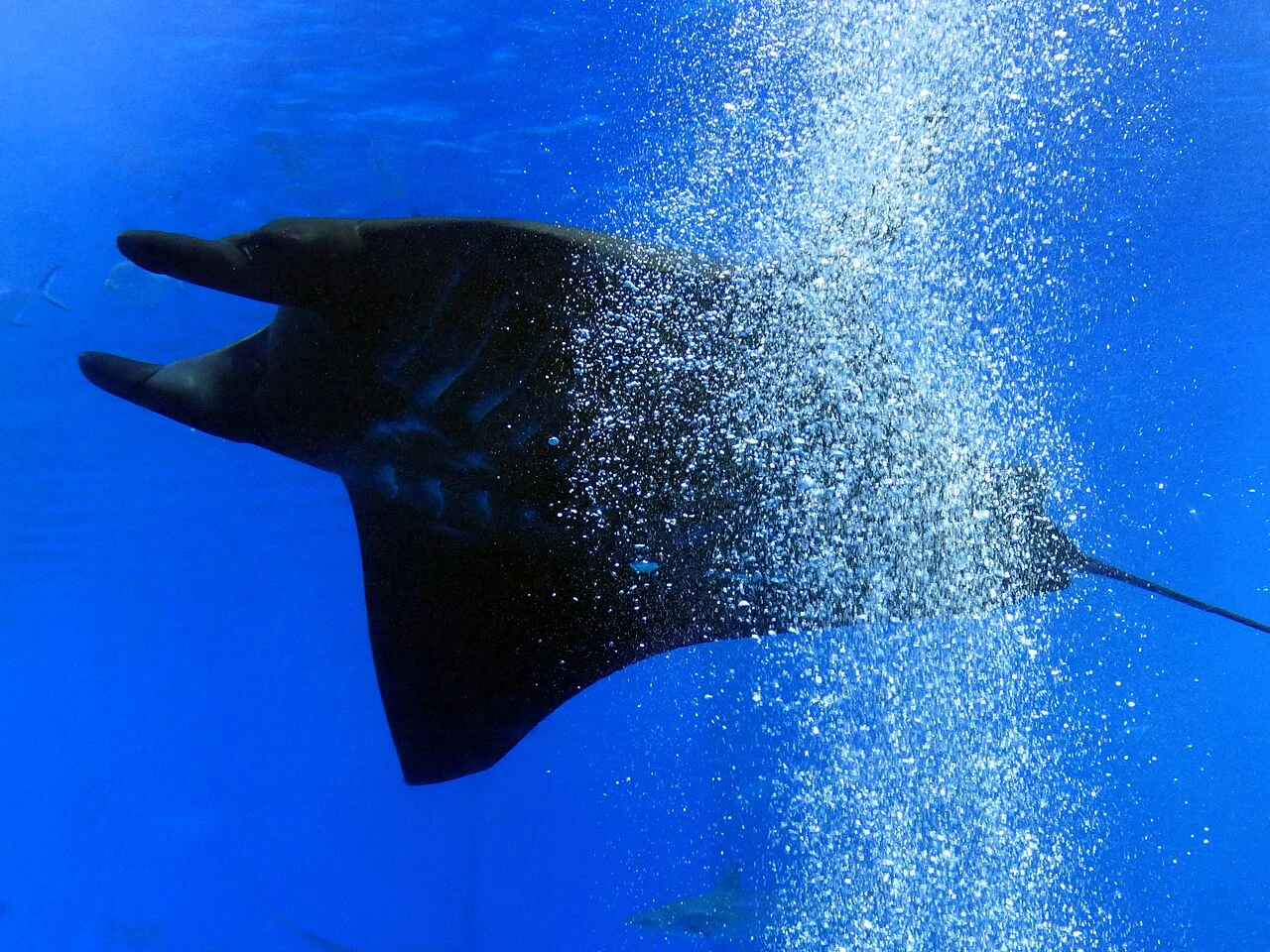
| What is the main attraction? | The Kuroshio Sea tank, with whale sharks and manta rays, alongside coral-reef, shark and deep-sea exhibits. |
| How much time? | Our suggestion is 2–3 hours indoors; add walking, food and selected outdoor visits separately. |
| What should I decide first? | Your priority programme, the time you need at the aquarium and your actual return connection. |
The official location and access guide is the starting point for reaching the park. If you searched for an “Okinawa aquarium,” check the name carefully: DMM Kariyushi Aquarium is a different attraction. Tickets and transport for one are not interchangeable with the other.
Churaumi Aquarium tickets: prices and what to book
Official general admission prices
The aquarium’s official fee page lists the following general admission prices. School categories follow the Japanese school system; check the appropriate category when purchasing for a visiting student.
| Visitor category | General admission |
|---|---|
| Adult | ¥2,180 |
| High school student | ¥1,440 |
| Elementary / junior high school student | ¥710 |
| Preschool child under six | Free |
Two adult tickets and one elementary-school ticket total ¥5,070, calculated from those prices. Transport, meals and optional purchases are additional. The operator may request identification. Check its certificate rules directly if applying for disability admission concessions.
Admission, a bus ticket and a day tour are different purchases
Before paying, identify what the product actually includes. An aquarium admission ticket gets you into the paid building. A round-trip bus product deals with transport. A sightseeing tour may combine transport and admission, or list tickets as a separate cost. Similar attraction photographs do not make those products equivalent.
For any online ticket, read the validity period, date selection, cancellation terms and entry instructions for the chosen option. Is it a QR code for the entrance, or a voucher requiring exchange? Do not assume a bus voucher follows the same process as aquarium entry. Save the usable ticket and its instructions before leaving your hotel.
The official fee page links to its web-ticket seller. Use that route or review your chosen seller’s current terms; a displayed reseller discount can vary with date, currency and product. We do not quote a universal discounted price.
Same-day re-entry
The operator permits re-entry on the same day when you present your admission ticket. Keep it if you leave for a meal or an outdoor programme. Re-entry does not extend opening hours or include a missed departure.
Opening hours, closures and when to arrive
As checked on October 15, the official hours page gives the regular aquarium hours below. It lists separate, date-specific extended periods, so avoid applying an old “March to September” rule to every future visit.
| Item | Current official information | Planning implication |
|---|---|---|
| Regular aquarium day | 08:30–18:30; last admission 17:30. | Last admission is the entry deadline, rather than the time to begin a leisurely full visit. |
| Scheduled aquarium closures | No scheduled closing days through March 31, 2027; temporary closures remain possible. | Check current notices, especially around severe weather. |
| Surrounding marine facilities | Regular hours listed as 08:30–17:30. | The indoor building and outdoor facilities do not share every closing time. |
For an early visit, allow for getting from your drop-off or parking area to admission before choosing the first exhibit or programme. For an afternoon visit, work backwards from your return journey, not only the building’s closing time. A quieter-looking hour is useful only if your bus, meal and preferred programme fit it.
We recommend checking the official homepage notices again near your travel date. A notice about one programme being suspended is different from closure of the whole aquarium.
What to see inside Churaumi Aquarium
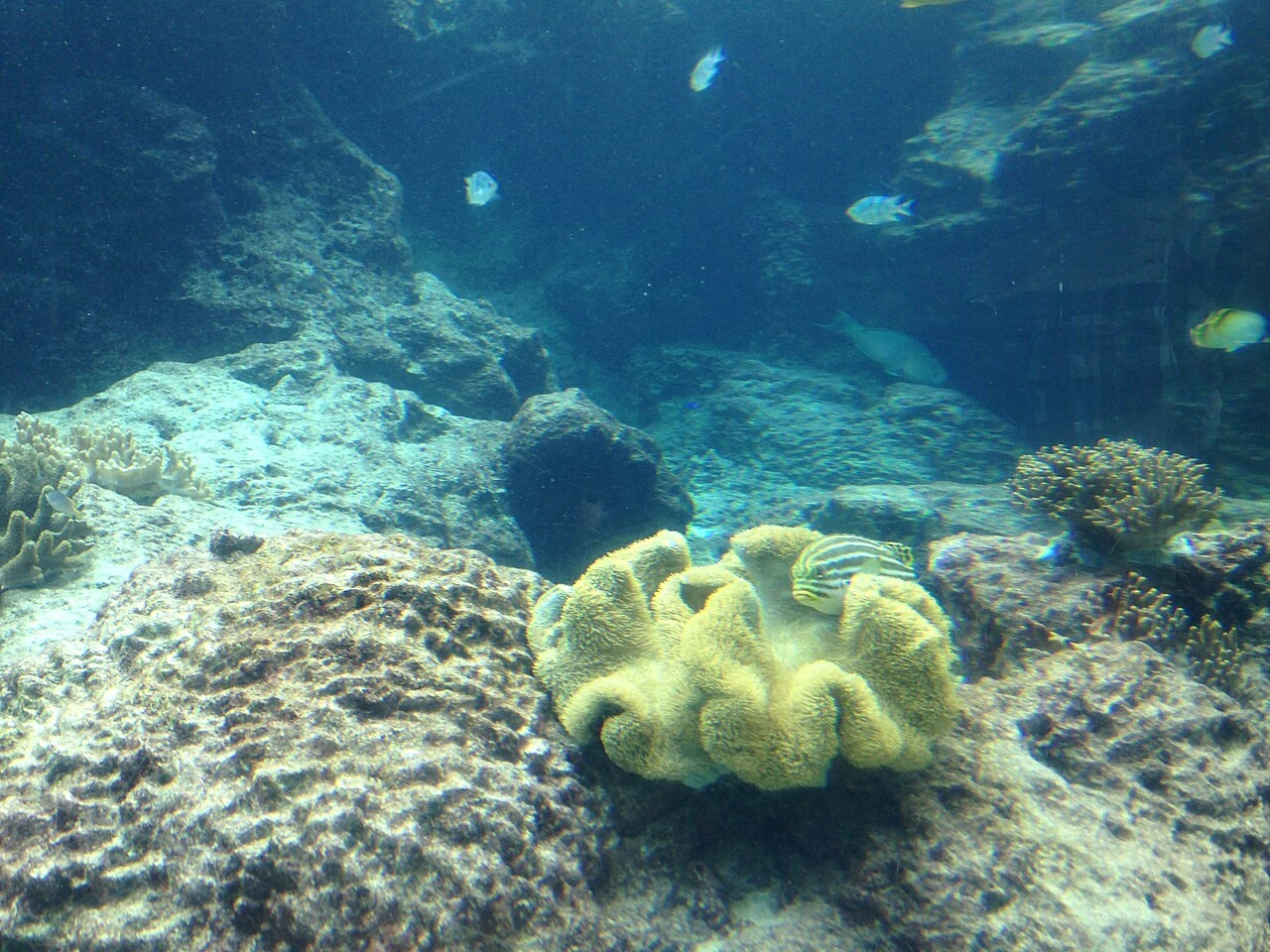
Coral and tropical fish: begin with the smaller details
Give the first galleries some attention before heading for the famous tank. The official coral-reef area guide introduces shallow-water life, the sunlit Coral Sea, tropical fish and the smaller Coral Reef Gallery tanks. The living coral exhibition uses sunlight and a supply of seawater from the nearby sea.
Choose a few tanks to observe slowly. Look for differences between sandy bottoms, rocky shelter and branching coral; then notice how the animals use those spaces. This is also a good way to involve children: let each person choose a small creature to watch, instead of treating every tank as a stop for another photograph.
The Kuroshio Sea: leave time to stand and watch
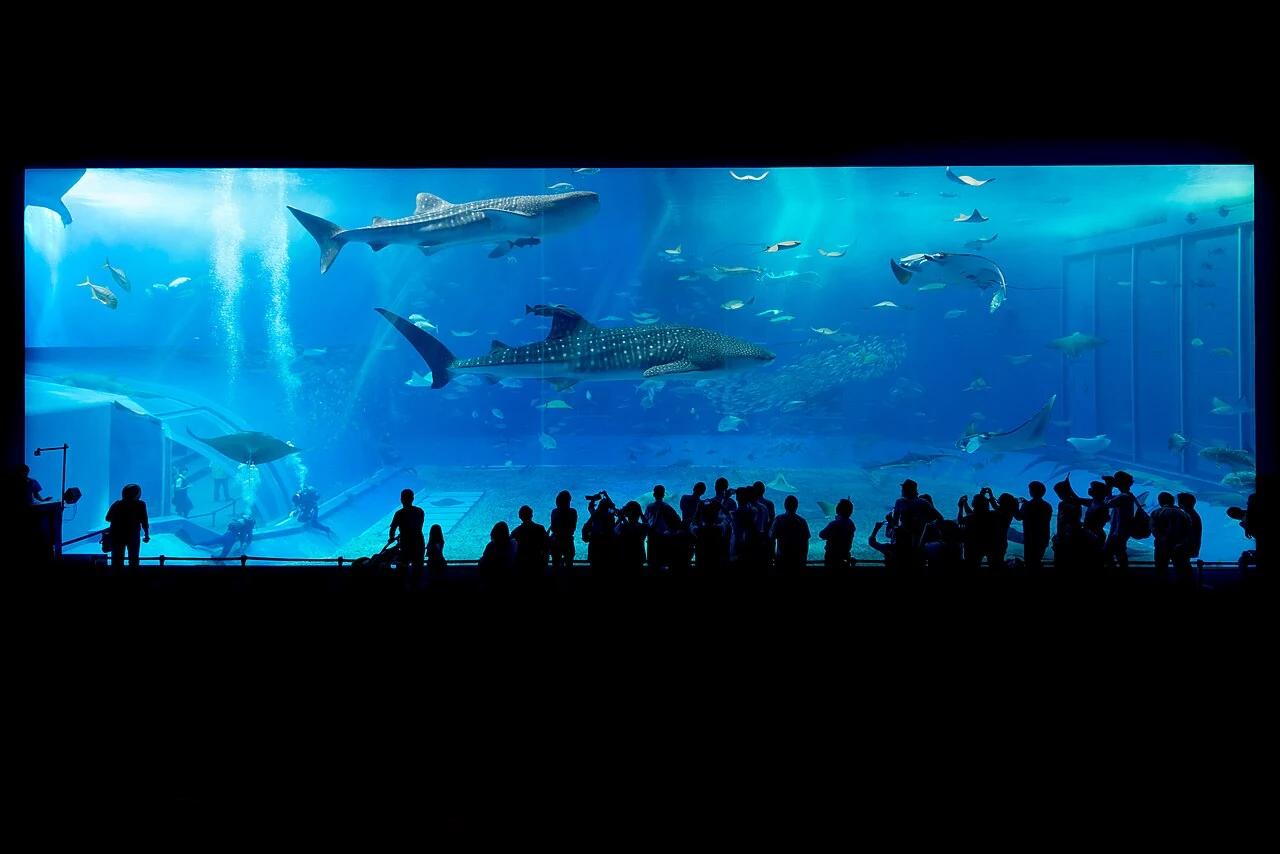
The Kuroshio Sea is a 7,500-cubic-metre tank. Its large viewing panel lets you take in whale sharks, rays and other fish together. Animals displayed can change, so the operator’s current information is more useful than a promised count based on an older photograph.
First take in the full scene, then concentrate on a single animal’s movement. If the nearest viewing space is busy, give other visitors room and try a different position rather than expecting everyone to move for your camera. The Aqua Room provides another perspective through an acrylic ceiling, described in the Kuroshio area guide.
Shark Research Lab: an exhibit to read, not just pass
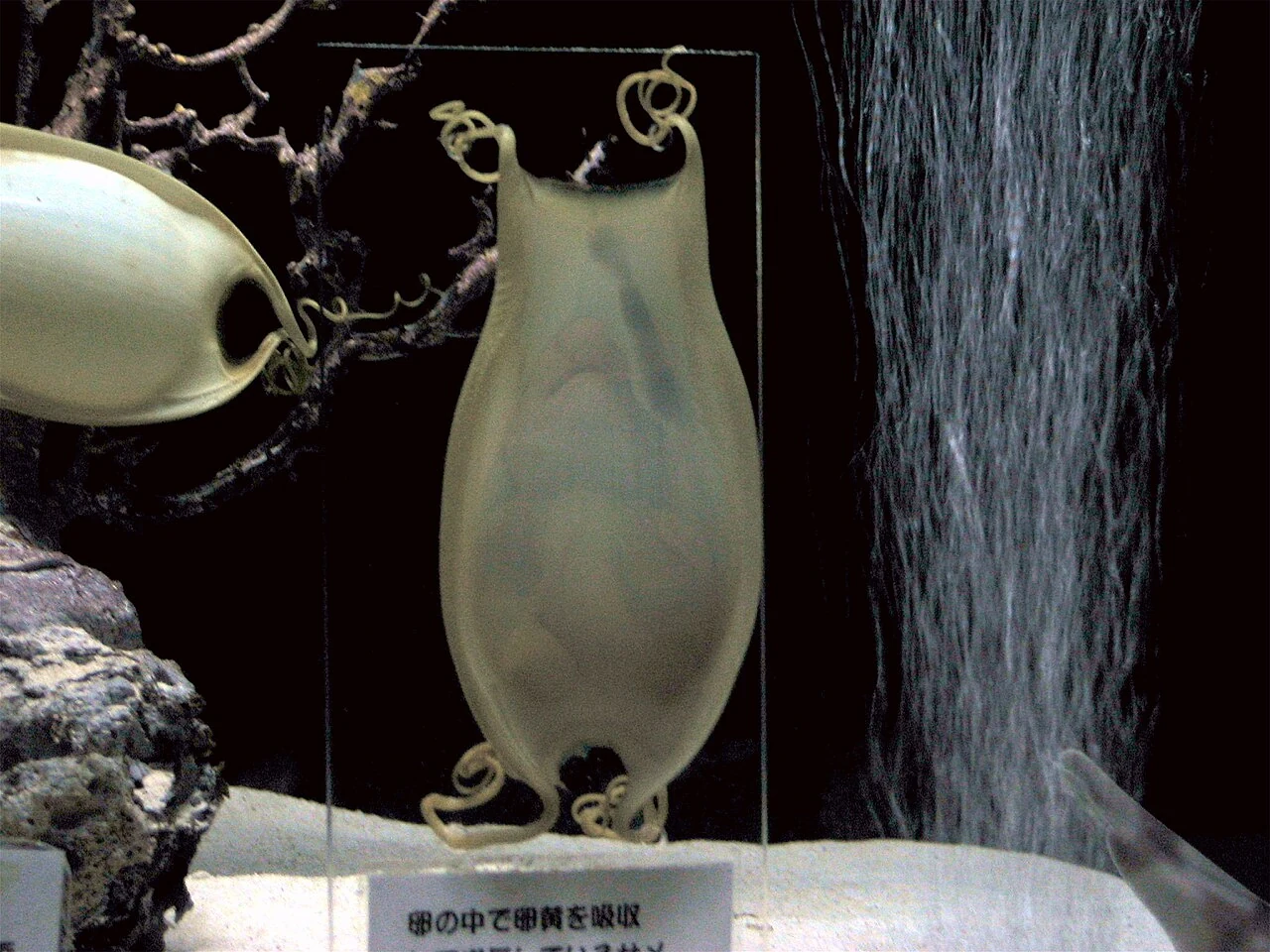
The Shark Research Lab combines living sharks with specimens and research information. It offers a different kind of stop from the broad Kuroshio view: read a panel, study a specimen and use it to answer one question about how sharks live.
If your party enjoys learning, keep a little time here even when the big tank is your main reason for coming. The archival egg-case photograph below illustrates the aquarium’s smaller-scale educational displays; it is not a promise that the same specimen is on view today.
Deep-sea galleries: keep some curiosity for the final area
The deep-sea area introduces animals from Okinawan waters at depths of 200 metres and more, with research displays and smaller marine life as well as the better-known large exhibits. The contrast with the sunlit coral galleries is part of the appeal.
Do not spend your entire available visit waiting for a single photograph and then rush this area. With a fixed return, decide earlier which optional stops to shorten. A little attention at the final galleries can be more rewarding than adding another hurried outdoor attraction.
Small tanks: give one creature a proper look
A good aquarium visit alternates broad scenes with close observation. You might spend several minutes looking across the Kuroshio tank, then slow down at a small display. Let a child choose an animal to sketch later, or compare the different ways animals stay near the sand or shelter.
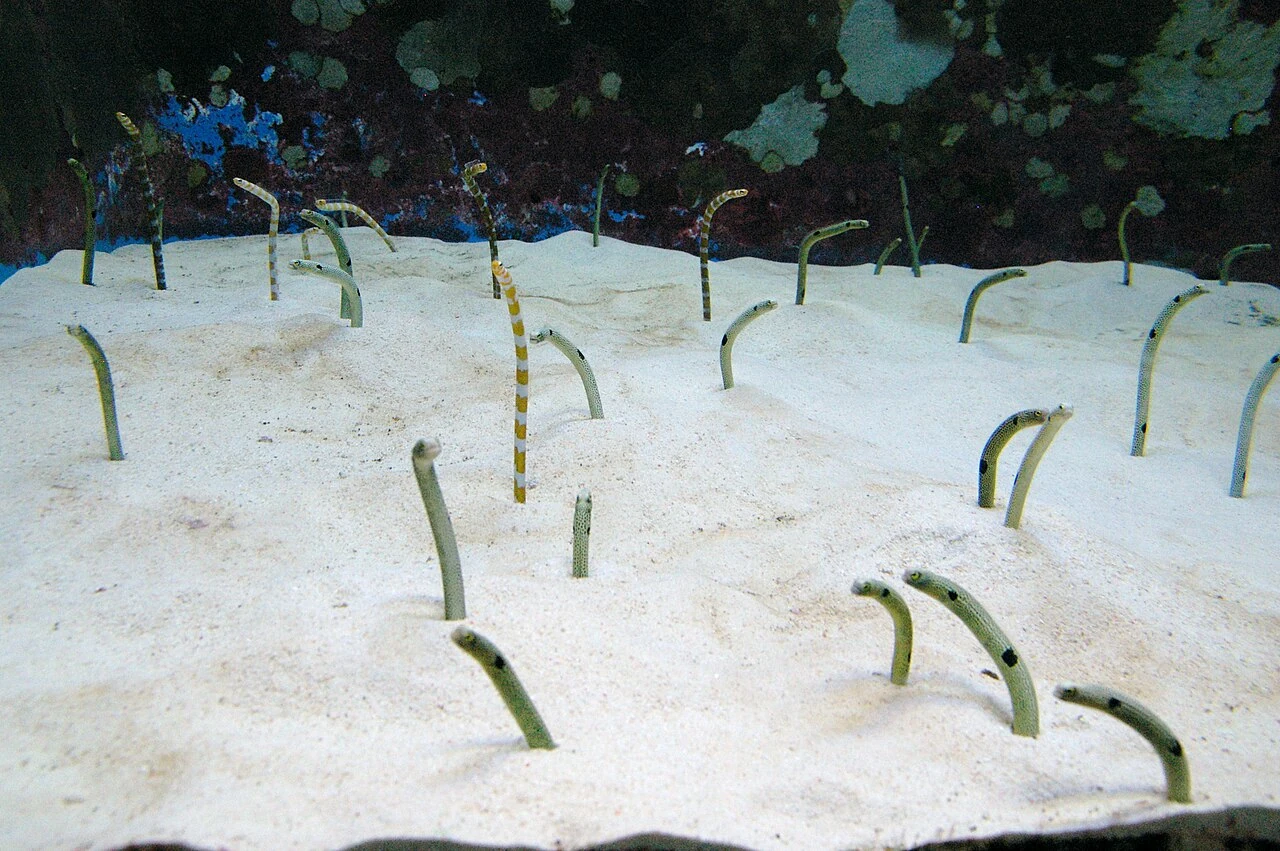
The visitor guidance asks visitors to avoid selfie sticks and not disturb other guests when taking personal photographs. Our practical suggestion is to switch off flash to reduce reflections, hold the camera steadily and enjoy some moments without a screen. That is a photography suggestion, rather than a claim that the operator prohibits all flash.
Feeding times and dolphin shows: choose your anchor
A programme you care about can shape the visit. Start with its location and time, then fit the galleries, lunch and walking around it. The current Kuroshio feeding page and Okichan programme page list:
| Programme | Listed start times | Where to plan for it |
|---|---|---|
| Manta-ray feeding | 09:30 | Kuroshio Sea, inside the paid aquarium. |
| Whale-shark feeding | 15:00 / 17:00 | Kuroshio Sea, inside the paid aquarium. |
| Dolphin show | 10:30 / 11:30 / 13:00 / 15:00 / 17:00 | Okichan Theater, outside the paid building; the programme is free. |
The important clash: the 15:00 feeding and 15:00 dolphin show are in different places. Choose one, or use a different dolphin-show time. A programme list is not an itinerary that allows you to watch everything simultaneously. Keep the walk, finding a place and any queue in the plan.
The operator announces that Okichan dolphin shows will be suspended January 4–9, 2027 for maintenance. Programmes can also change with animal condition or weather; verify the day’s information. The same notice should not be read as closure of the main aquarium.
For another perspective, the official above-water observation course currently lists entry periods of 09:00–10:45 and 17:30–18:15, using a dedicated lift from the first-floor Whale Shark & Manta Ray Corner. No reservation is listed, but hours can change. It is not available throughout the day, and its evening period does not override the aquarium’s last-admission deadline.
How long to spend and a route that feels unhurried
For a first visit, our starting allowance is 2–3 hours inside. This gives you more space than a quick circuit: time to read, pause at the main tank and change pace. Walking from transport, lunch and the surrounding marine facilities need their own allowance.
| Visit style | Our planning allowance | What to prioritise |
|---|---|---|
| Aquarium-focused | 2–3 hours inside; approach and transport separate. | Coral, Kuroshio, shark and deep-sea galleries. |
| Aquarium and park | Roughly 4–5 hours on site, including a meal and walking. | The indoor visit plus a chosen programme or marine facility. |
| Slower family visit | Allow 5–6 hours if your party wants breaks, food and several park stops. | Fewer fixed appointments and enough flexibility to shorten the route. |
These are editorial suggestions, not minimum admission periods. A focused visitor may want less, while someone reading every display may want longer. Check the actual visit duration in a bus-tour itinerary: “Churaumi Aquarium day tour” does not mean a full day in the aquarium.
If 15:00 feeding is your priority: eat beforehand or decide when to break for lunch, enter with a comfortable gallery window, and reach the Kuroshio viewing area before the programme. Afterwards, keep time for the deep-sea galleries and the walk to your agreed departure. Do not add the 15:00 dolphin show to that same slot.
If a morning park visit is your priority: choose an early indoor visit and a compatible later outdoor programme. The above-water course’s morning window is another choice, rather than an instruction to rush through every gallery before 10:45. Choose what matters most to your party.
Getting from Naha to Churaumi Aquarium
Plan the northern journey as part of the day. The aquarium’s access page gives about two hours by car from Naha Airport using the expressway, and approximately three hours by express bus. Those are broad operator estimates; actual journeys depend on the service, starting point and traffic.
For a scheduled bus, use the selected operator’s current timetable, not a single universal journey time. The official aquarium page links to the Okinawa Airport Shuttle and other operators. Match the actual stop and direction to your hotel. Choose a usable return before deciding that you have time for another village or island.
| Option | Useful when | Check before paying |
|---|---|---|
| Scheduled direct bus | The aquarium is the day’s main destination. | Date, boarding place, return, ticket exchange, seating and luggage rules. |
| Fixed sightseeing bus tour | The published stops and pace match your interests. | Time at the aquarium, admission, meals, language and meeting point. |
| Self-drive | You want to set the route and can arrange a suitable rental. | Parking, road time, tolls and the driver’s commitments. |
| Private vehicle with driver | Your group needs an agreed hotel pick-up, pace and return. | Whole-route quote, service hours, bags, child seats and included costs. |
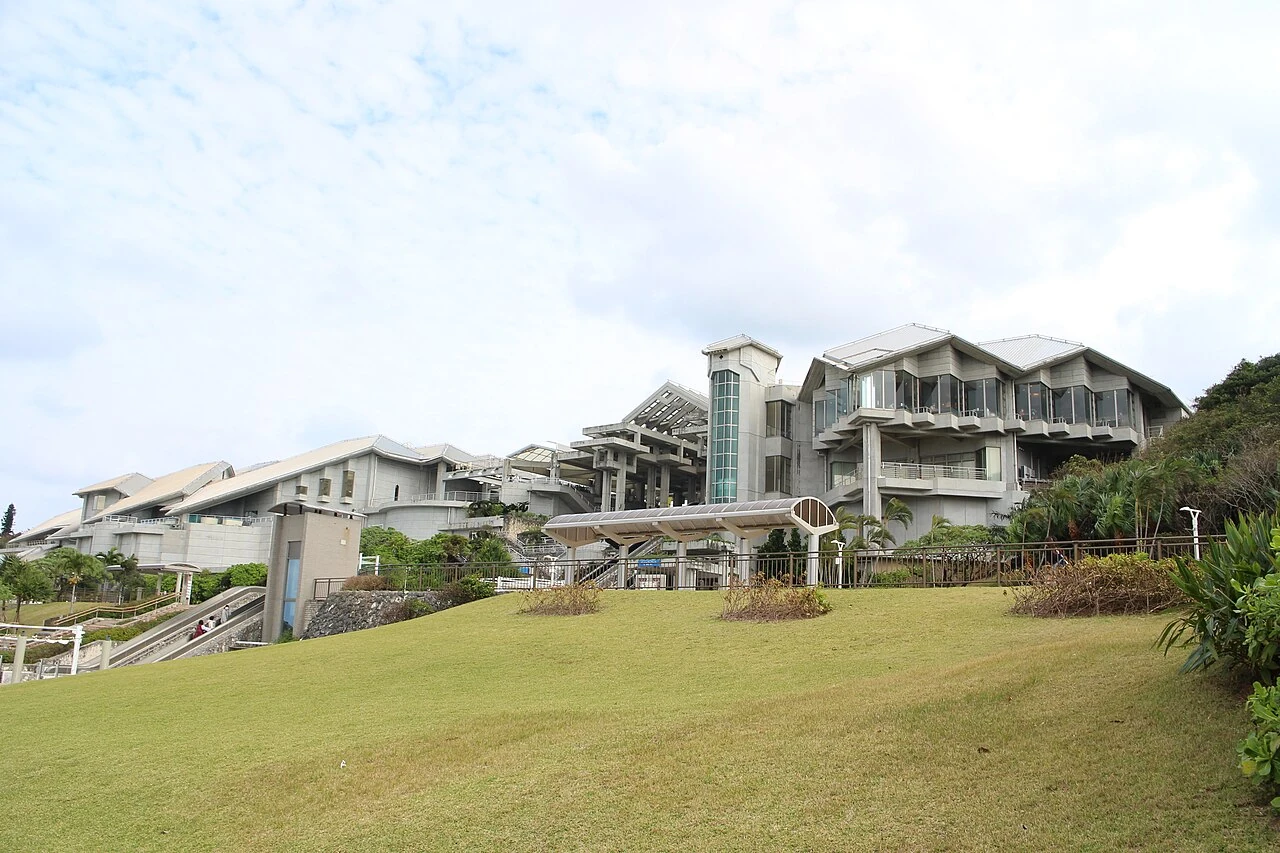
Ocean Expo Park parking is free; the operator identifies the North Gate multilevel car park, P7, as closest to the aquarium. Follow current parking signs and staff directions. Even with a car, include the walk and the time needed to get everyone back to the vehicle.
Our Okinawa without a car guide contains a dated northern bus example and hotel-base advice. For an arrival-day or resort connection, use the Naha Airport transfer guide. Keep a longer northern outing separate from a tight airport deadline.
For booking questions, see our private driver guide, vehicle guidance and quote information.
Food, children and accessibility
Choose the kind of meal you want
The official restaurant guide distinguishes Ocean Blue, the cafe inside the aquarium by the Kuroshio tank, from Inoh on the fourth floor, which can be accessed without entering the paid aquarium. A tank-side snack and a full lunch are different breaks. Check the selected outlet’s current service hours, last orders and seating arrangements; some Ocean Blue seats involve an additional charge.
If the cafe is your main interest, leave flexibility for availability. If getting everyone fed efficiently matters more, choose the meal before fixing a programme immediately afterwards. Do not base the rest of the day on an assumed table beside the glass.
With young children
The infant facilities guide lists nursing rooms on the third floor near the entrance and on the second floor by Churaumi Theater, as well as changing facilities. Strollers are available at designated park locations, including P7, in limited numbers without reservations. Confirm the current collection point and availability; the aquarium admission queue is not a stroller reservation.
Pack the things your child normally needs and keep the route adjustable. A meal, toilet stop or rest may matter more than reaching another show. If you split the group between an outdoor programme and an indoor gallery, agree a precise reunion point and time.
With a wheelchair or limited walking stamina
The official accessibility page describes lift access, accessible toilets and wheelchair services. Rental availability is limited and first come, first served; check the designated park counter before relying on a rental. Confirm the complete path from your arrival point, including the return.
Ask about the boarding arrangements for the actual bus or vehicle and any walking your party needs to avoid. “Hotel pick-up” alone does not answer whether a wheelchair can stay occupied during transport or whether the luggage area suits your equipment. Set out those requirements when contacting a provider.
Nearby stops: Bise, Motobu and Kouri Island
Bise: choose a village walk you have time to enjoy
Bise’s shaded fukugi lanes can make a good contrast with the aquarium. Treat the walk as a visit with its own purpose: choose an entrance, a route, a place to stop and how you will get back to your transport. “Near the aquarium” does not make the complete outing effortless for every party.
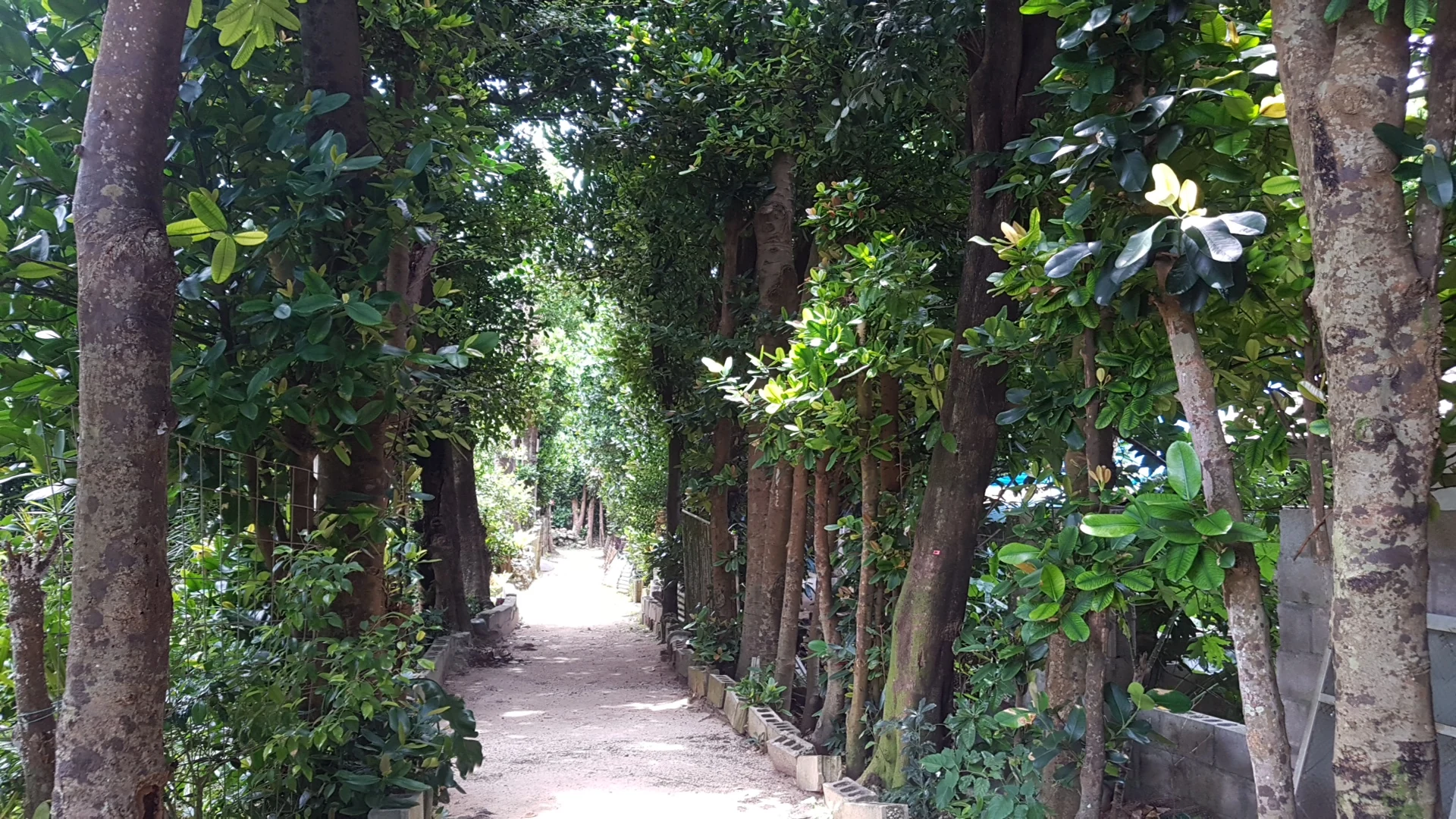
If the aquarium and lunch have taken longer than expected, shorten the village plan or leave it for another day. With a scheduled bus, the walk back to boarding is part of the time available; with a driver, agree the pick-up location before separating.
Stay within Ocean Expo Park for a lighter day
You do not need to leave the park to add variety. The official surrounding-area guide describes the Sea Turtle Pool, Manatee Pool, waterfront walkway and Emerald Beach, alongside the dolphin facilities. Choose one or two rather than treating every name as compulsory.
Follow the facility signs, current operating information and weather conditions. A sea view and a swim are different plans; a photograph of a beach does not establish its swimming hours or sea conditions on your date. Keep sun, rain, walking and the party’s energy in mind.
Kouri Island: a separate road excursion
Kouri Island can be discussed as part of a northern road day, but it is not an extra section of the aquarium park. Add the complete road journey, the time you want on the island and the onward return. Avoid assuming a scheduled aquarium bus also provides a convenient island connection.
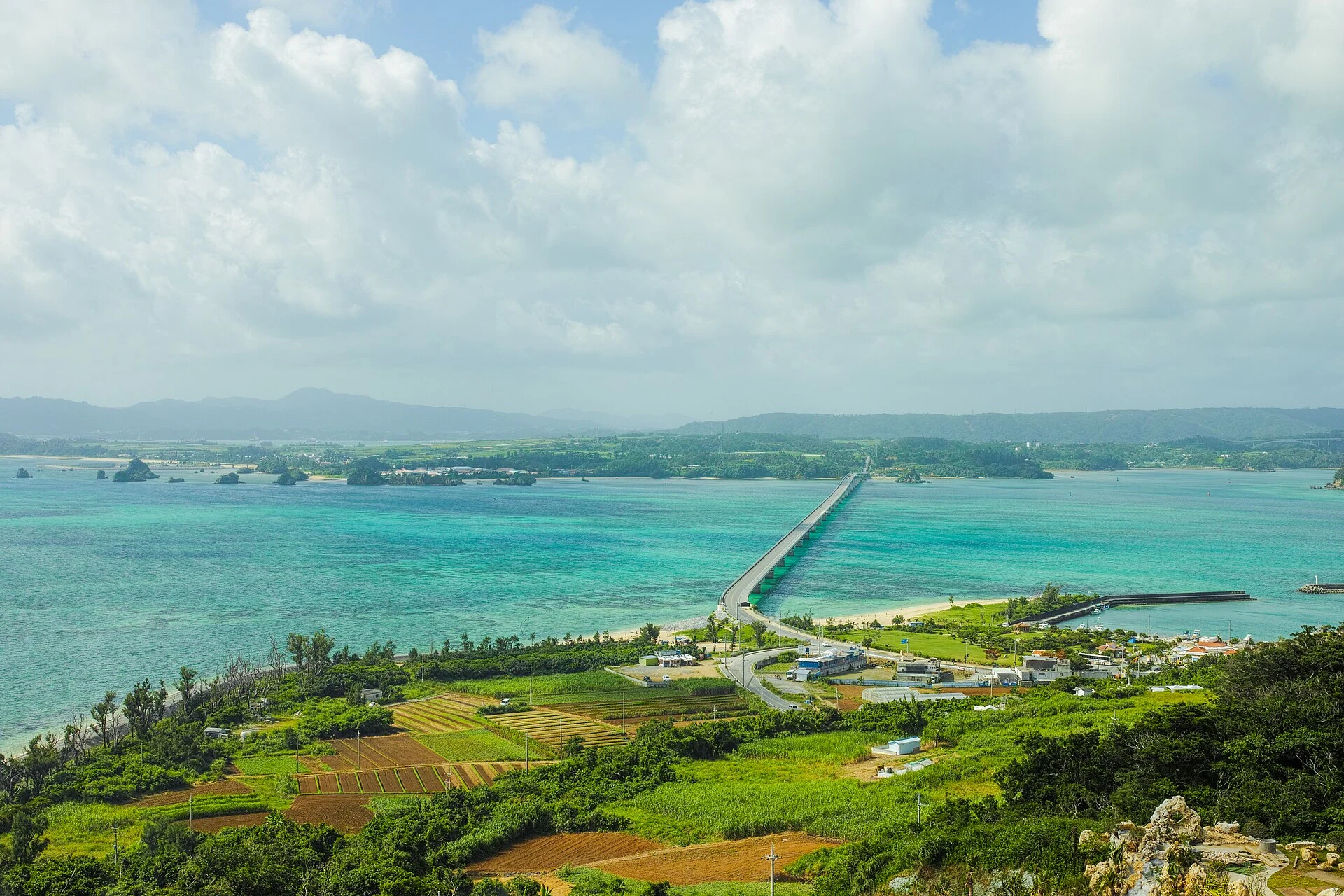
For a broader trip, our three-day Okinawa itinerary shows how to group Naha, coast and northern visits. For this day, keep Churaumi as the anchor if the aquarium is the reason you are travelling north.
Your pre-visit checklist
- Confirm the facility: Okinawa Churaumi Aquarium in Motobu, within Ocean Expo Park.
- Check the date: opening hours, last admission, weather and any programme-specific notice.
- Read the ticket: admission versus transport, category, validity and entry or exchange process.
- Pick a priority: decide which feeding, show or gallery matters most, and resolve conflicting start times.
- Keep time indoors: leave room for coral, sharks, the main tank and the deep-sea area.
- Plan food and breaks: check the relevant outlet rather than assuming a tank-side table.
- Arrange access needs: walking, steps, equipment, rentals and transport boarding.
- Write down the return: exact boarding or pick-up place, departure and the walk to it.
- Choose the optional extra: add a park stop, Bise or another road destination only if the complete day fits.
A satisfying northern day is one you can actually enjoy. The best route may contain fewer stops and more time in front of the tank that brought you here.
Churaumi Aquarium: frequently asked questions
How much are Churaumi Aquarium tickets?
The official general admission categories and prices are in the ticket table above. Check the operator’s fee page and the selected seller’s conditions before buying; an admission ticket and a transport package cover different things.
How long should I spend at Churaumi Aquarium?
Our starting suggestion is 2–3 hours inside, with additional time for the approach, meals and outdoor facilities. Your interests and walking pace may call for longer. Check the actual visit window when booking a fixed tour.
Are the dolphin show and whale-shark feeding in the same place?
No. Feeding is at the Kuroshio Sea inside the paid building; the dolphin programme is at Okichan Theater outside. Several start times overlap. Choose compatible sessions and allow time to move between them.
Can I visit Churaumi Aquarium without a car?
Yes. Compare a scheduled direct bus, a fixed sightseeing tour or a private vehicle with a driver. Plan both directions and the walk from the stop. See the linked car-free guide for a dated northern bus example.
Is Churaumi Aquarium good for a rainy day?
The indoor galleries can form the main visit. Prepare for the approach and any outdoor movement, and check notices during severe weather. Do not assume an outdoor programme will run simply because the main building is open.
Can I go out for lunch and come back?
Same-day re-entry is permitted on presentation of your admission ticket. Keep it, check the remaining hours and allow time to return. A meal outside still needs to fit your final transport.
Is this the same aquarium as DMM Kariyushi?
No. They are separate attractions. Use the full name, location and product description when booking admission or transport so that your ticket and destination match.
ABOUT THIS GUIDE
Prepared by OkinawaVia for English-speaking visitors. Official prices, operating notices and programme information checked October 15, 2026; confirm the information applying to your travel date. Route choices and visit-time allowances are editorial suggestions, not a report of a personal visit. Photographs retain their credited licences, and historical images are dated.