Five days in Okinawa give you time for Naha’s food streets, the island’s southern cultural sights and two nights beside the west coast. This Okinawa itinerary for 5 days is built around five calendar days and four hotel nights, including arrival and departure. It leaves a real afternoon for the sea instead of turning every day into a long sightseeing drive.
This Okinawa 5 day itinerary leaves room for Naha, the coast and northern highlights, with practical choices for hotel locations and travel days.
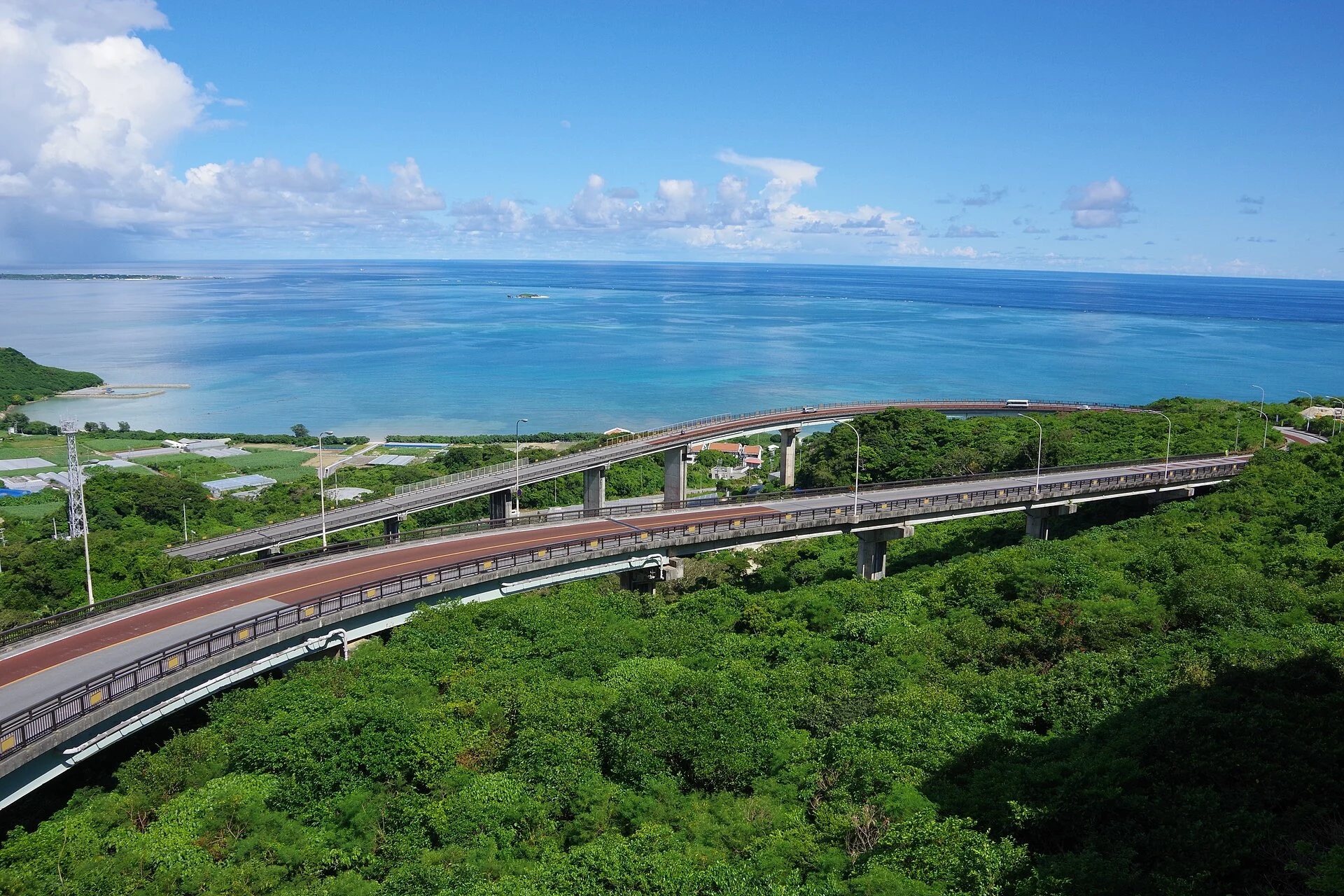
Okinawa itinerary for 5 days: the route at a glance
This route suits a first visit with a mixture of culture, food, coastal scenery and a major family attraction. It assumes you can arrange the out-of-town journeys by self-drive, a private vehicle or a suitable booked outing. It does not assume you have five full sightseeing days between your flights.
| Day | Main plan | Optional addition | Sleep |
|---|---|---|---|
| 1 — Arrival | Airport transfer, check-in and a Naha evening. | Makishi Market if arrival and trading hours allow. | Naha |
| 2 — South | Okinawa World, or a quieter Sefa Utaki / Nanjo day. | One coastal viewpoint, if the day still feels relaxed. | Naha |
| 3 — Coast | Check out, move to Onna and enjoy your resort area. | Cape Manzamo as the day’s sightseeing stop. | Onna |
| 4 — North | Churaumi Aquarium and time in Ocean Expo Park. | Bise village, or Kouri Island as a longer detour. | Onna |
| 5 — Departure | Breakfast, packing and the airport journey. | A short stop only if the flight leaves a generous margin. | Fly home |
The south belongs on Day 2 because you are still based in Naha. The northern aquarium belongs after your coastal move. Returning to Onna after Day 4 keeps the hotel changes down, although it still involves a substantial road outing. Do not mistake a two-base route for a promise of short drives everywhere.
If your actual booking gives you only two full days on the island, our three-day Okinawa itinerary is a better starting point. Conversely, five full days between flight days allow an extra rest day; you do not need to fill that time with a farther destination.
How to divide five days between Naha and the coast
Two nights in Naha, two nights in Onna
Choose a Naha hotel for the evenings you want to spend walking to dinner, exploring central streets and starting a southern excursion. Choose the Onna hotel for the kind of coastal stay you actually want: beach access, a pool, a quiet room or a particular activity. An “Onna” address covers different stretches of coastline, so confirm the exact property and its dinner options.
Before booking, compare the final airport journey and the Day 4 pickup from each coastal hotel. A cheaper room can become a less convenient choice if every meal or outing requires another ride. Our where to stay in Okinawa guide compares Naha, Chatan, Onna and Motobu in more depth.
An early flight: move the last night to Naha
For an early departure, consider nights 1–2 in Naha, night 3 on the coast and night 4 back in Naha. On Day 4, travel north from Onna and finish in Naha with your luggage arrangements agreed in advance. The trade-off is one extra hotel change and less resort time. If that sounds tiring, spend all four nights in Naha and take selected day trips.
When Chatan or Motobu makes more sense
Chatan can replace Onna if waterfront restaurants and an evening around American Village matter more than a secluded resort setting. Motobu can replace it if the aquarium and Bise are the centre of your trip. Both changes alter the airport transfer and the rest of the route. Avoid booking one night in every district merely to collect different hotel views.
Day 1: arrive at Naha Airport and keep the first evening simple
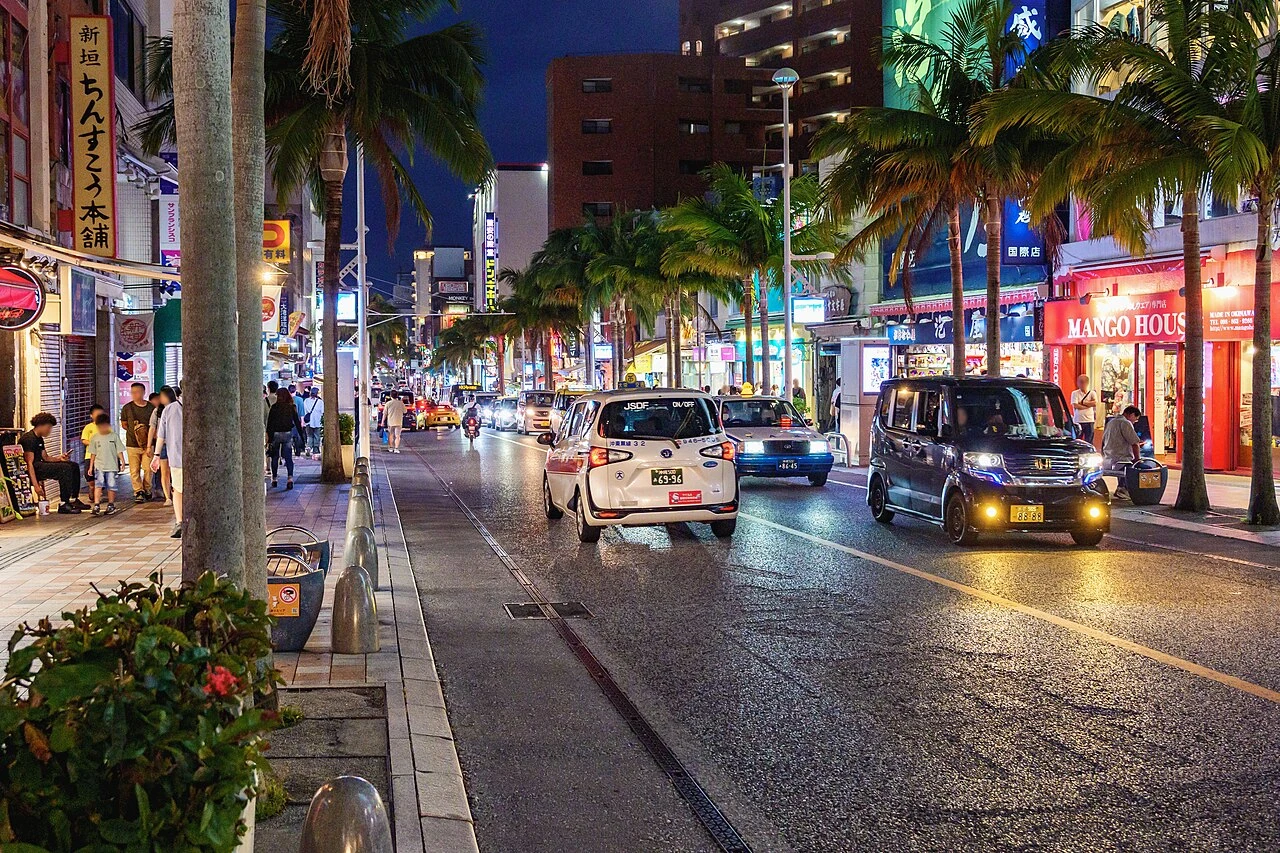
Morning or early-afternoon arrival
Transfer to Naha, leave your bags with the hotel if it offers storage, and have a proper meal before sightseeing. A flight’s landing time is not the time you will be ready for a bus, rental car or hotel pickup: immigration where applicable, baggage and collection arrangements come first. Check your hotel’s check-in and luggage-storage rules before relying on them.
Use the rest of the day for Kokusai Street and the surrounding shopping streets. If Makishi Public Market fits your arrival time, browse first and decide whether you want a market meal or dinner elsewhere. There is no need to add an out-of-town attraction after a travel morning.
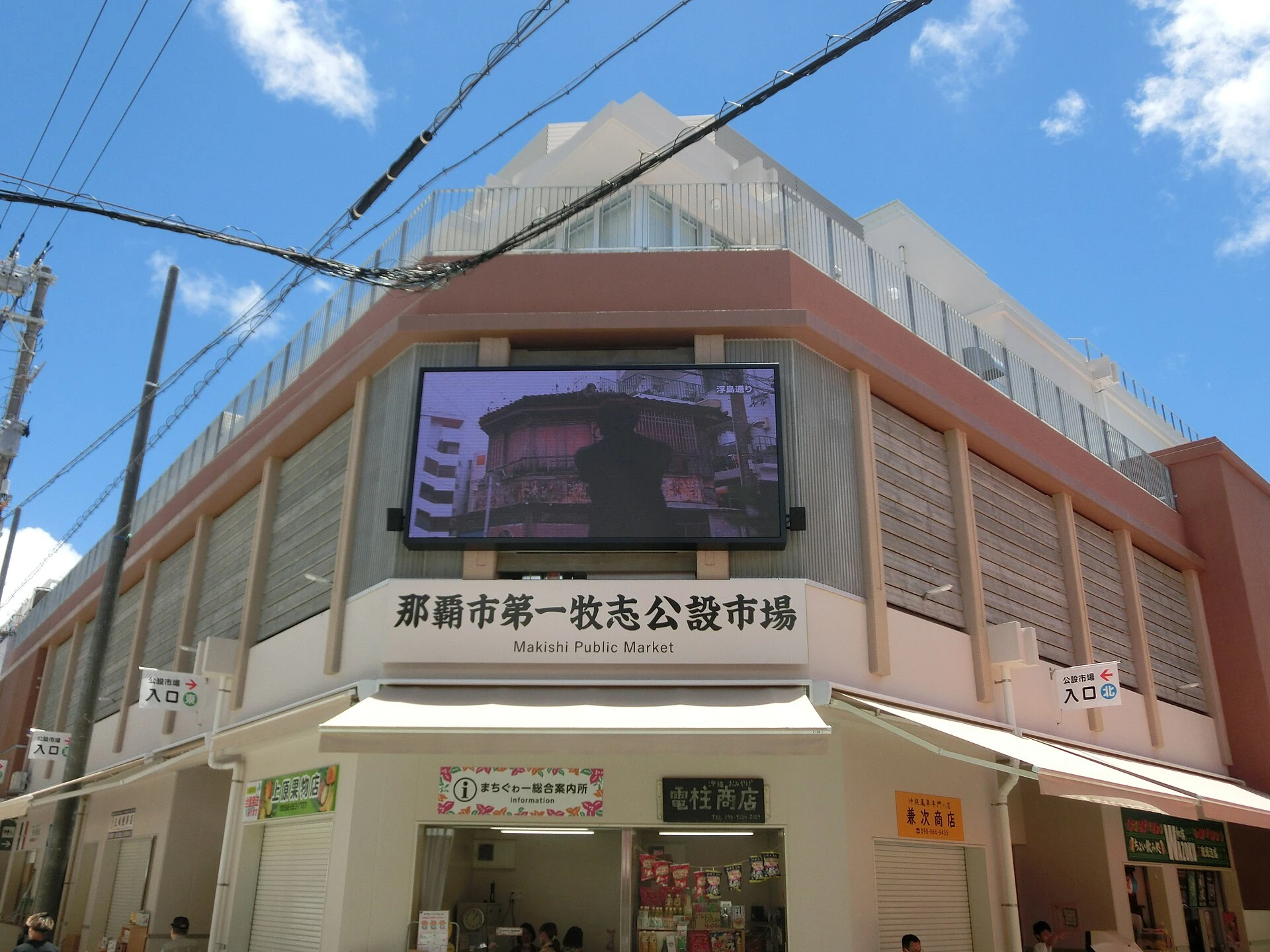
Our Makishi Public Market guide explains the rebuilt market, meal arrangements and closing-day checks. The market and nearby nightlife streets have different operating patterns; an illuminated shopping street does not mean the fresh-food stalls are still trading.
Late arrival or a tired family
Make Day 1 only the airport transfer, hotel check-in and a nearby dinner. Keep the market for another suitable opening period or leave it out. For the standard two-plus-two-night plan, this is your first of two Naha nights, so you can enjoy the city again after tomorrow’s southern outing. Use our Naha Airport transfer guide to choose the arrival method before flying.
Day 2: explore southern Okinawa from your Naha base
Choose one of the following versions before arranging transport. They offer different experiences. Treating both as compulsory, then adding several distant attractions, works against the slower pace of this five-day journey.
Option A: Okinawa World as the main visit
Okinawa World is a practical choice for a structured day around Ryukyuan culture, performances and the Gyokusendo limestone cave. Reserve a substantial morning-to-afternoon block, including lunch, rather than arriving only for the final admission. Our suggested allowance is three to four hours on site; your actual stay depends on shows, crafts and walking pace.
The operator currently lists 09:00–17:30, last reception 16:00, with admission of ¥2,000 for adults aged 15 and over and ¥1,000 for ages 4–14. Craft experiences can cost extra. Importantly, the site’s accessibility statement excludes Gyokusendo from its barrier-free areas: do not plan the cave as a wheelchair or pushchair route. Check the official fees, hours and accessibility guidance (Japanese) for the details that affect your party.
Afterwards, return towards Naha or choose one short Nanjo coastal stop if there is time and everyone is comfortable. Agree the return ride as well as the outward journey. The operator notes that an empty taxi may not be waiting at the entrance.
Option B: Sefa Utaki and the Nanjo coast
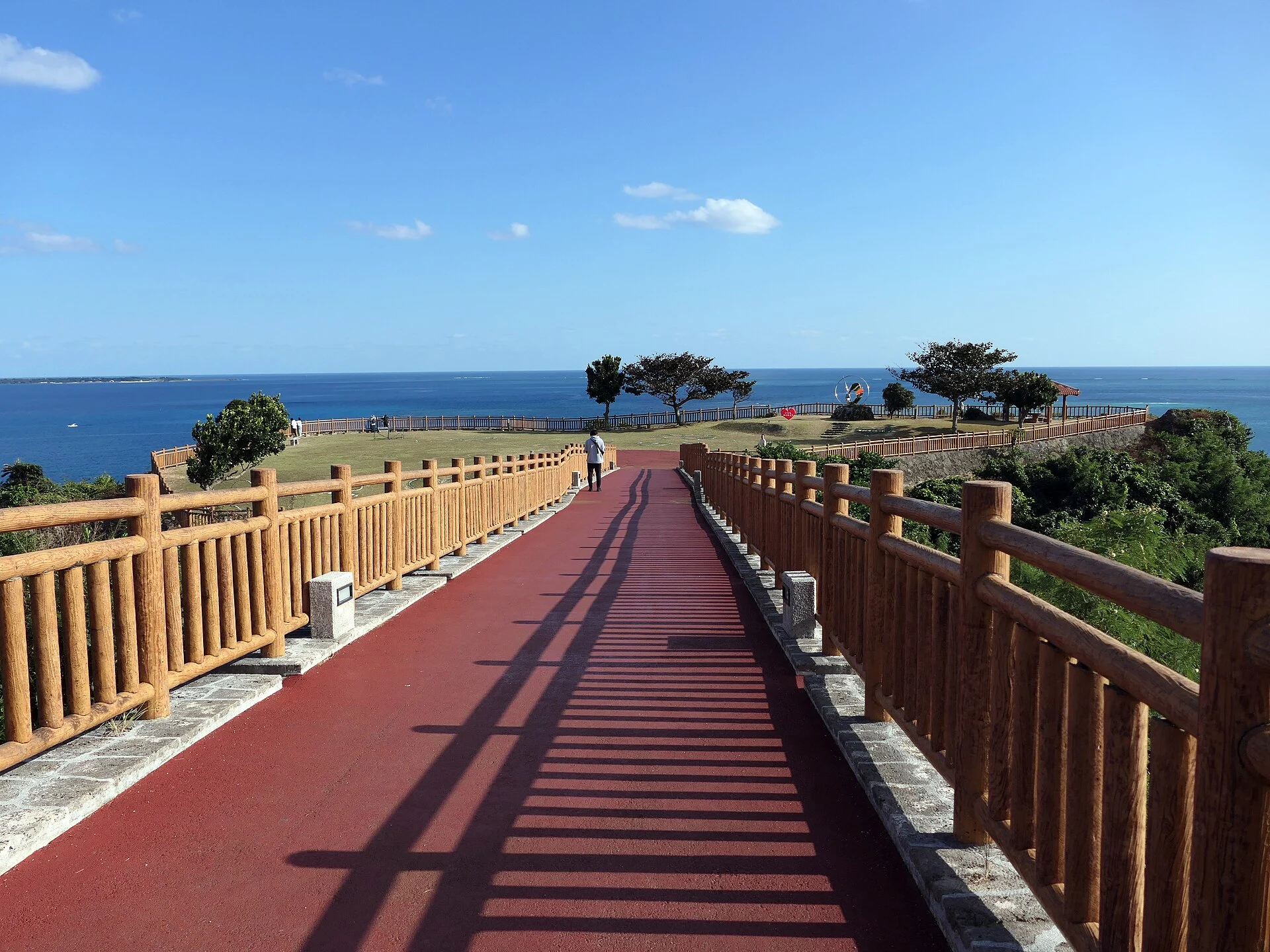
Choose this version if you prefer a sacred cultural landscape and time looking out to sea. Sefa Utaki remains a place of worship, so approach it quietly, follow the designated paths and respect closed areas and people praying. Cape Chinen Park can provide a nearby coastal pause; it is not a substitute for checking conditions on the actual day.
The official Sefa Utaki visitor guide lists adult admission at ¥600 from age 16, ¥300 for ages 7–15 and free entry for children six and under. Ticket sales finish before last admission. From March–October, hours are 09:00–18:00 with ticket sales ending at 17:15; November–February hours are 09:00–17:30 with sales ending at 16:45. Allow for the walk between the ticket / parking area and the site.
Date-sensitive closure: Sefa Utaki is scheduled to close November 9–11, 2026 for sacred-site preservation. It also has future annual closure periods. If your Day 2 falls on a closure, choose a different visit rather than expecting access to the paths. Recheck the operator’s calendar when finalising the date.
Prefer to stay in Naha? Make it a Shuri day
Replace the southern drive with Shuri and a second Naha afternoon if you want less road travel. For late-2026 trips, distinguish the park from the reconstructed Seiden main hall. The official opening announcement schedules the Seiden’s public opening for noon on November 23, 2026 and says interior viewing requires a reservation. It is still a future opening at this guide’s October 23 check. Confirm the arrangements for your date rather than assuming every hall is already accessible.
Day 3: travel up the west coast, then slow down in Onna
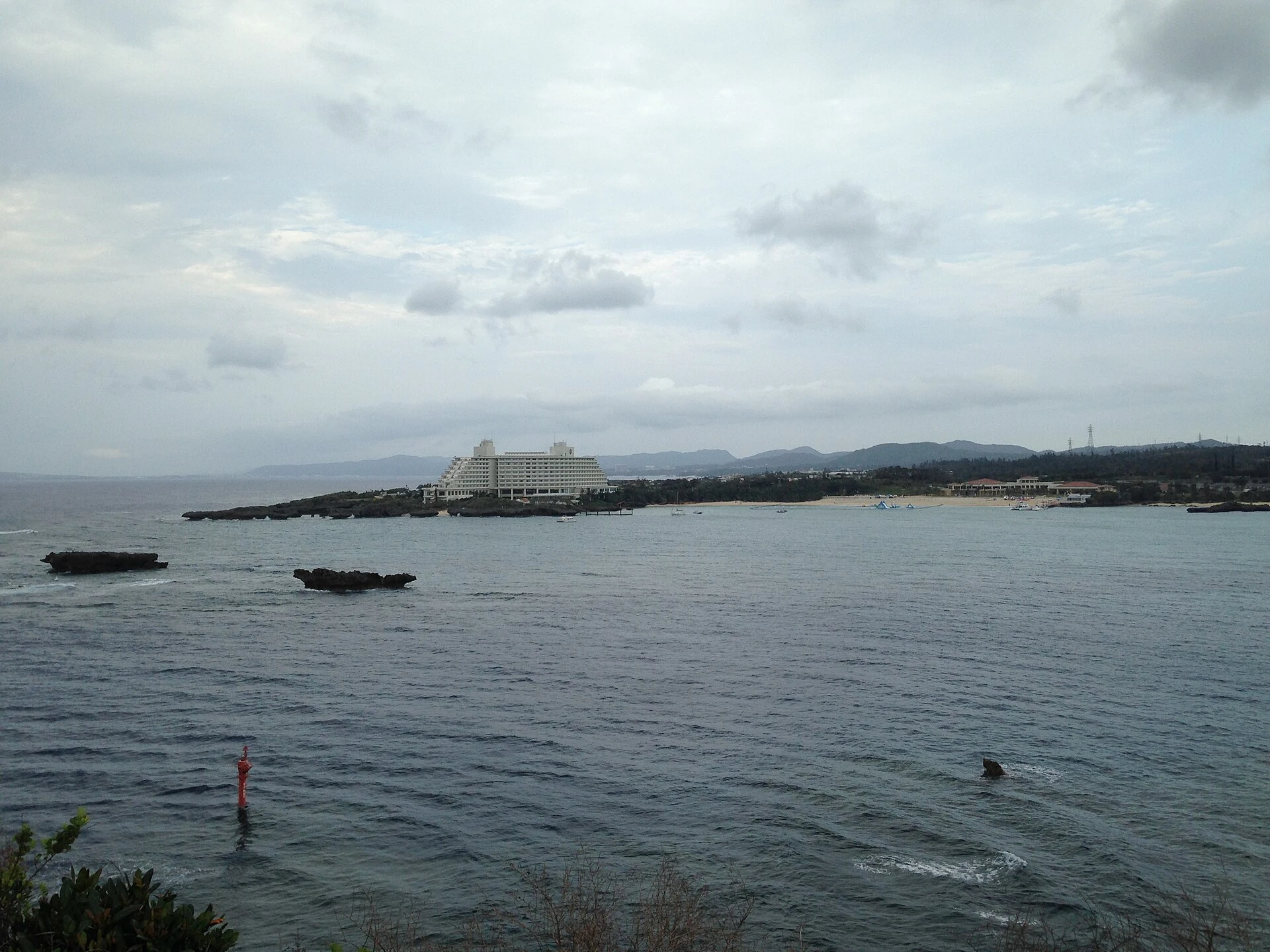
Pack after breakfast, check out of Naha and make this your hotel-transfer day. Keep the route to one principal stop before your coastal hotel. With bags in the vehicle, agree luggage capacity, storage arrangements and the hotel drop-off in advance. If self-driving, keep valuables with you and follow the rental company’s guidance for luggage security.
Cape Manzamo as the sightseeing stop
Cape Manzamo is a useful choice when it fits the location of your Onna hotel. Set aside roughly 45–60 minutes as a planning allowance for the viewpoint and visitor facilities, allowing longer if you eat there. The official operator lists a viewing charge of ¥100 per person, with preschool children free, and free parking. Viewing runs from 08:00 until sunset; the visitor building’s later closing time does not extend cliff viewing after dark. Weather can close the site.
If American Village is the priority instead, make Chatan the main stop and shorten or remove Manzamo. Adding both, plus a long lunch and several viewpoints, spends the resort afternoon you came for. Decide which experience matters before agreeing a route.
Protect the afternoon you paid for
Check in when the hotel allows and leave a generous block for the property or nearby coast. You may want a beach walk, a swim when officially permitted, or simply a quiet terrace. Confirm beach access, seasonal swimming arrangements, activity reservations and any fees directly with the hotel. A coastal photograph does not establish that a particular hotel’s facilities are open to every visitor.
Arrange dinner before the day becomes a series of last-minute rides. If restaurants are spread out, a hotel meal or a prebooked nearby option can make the evening feel much easier. This is also the point to review tomorrow’s forecast and choose between a simple aquarium day and a longer northern route.
Day 4: Churaumi Aquarium, with Bise or Kouri as an option
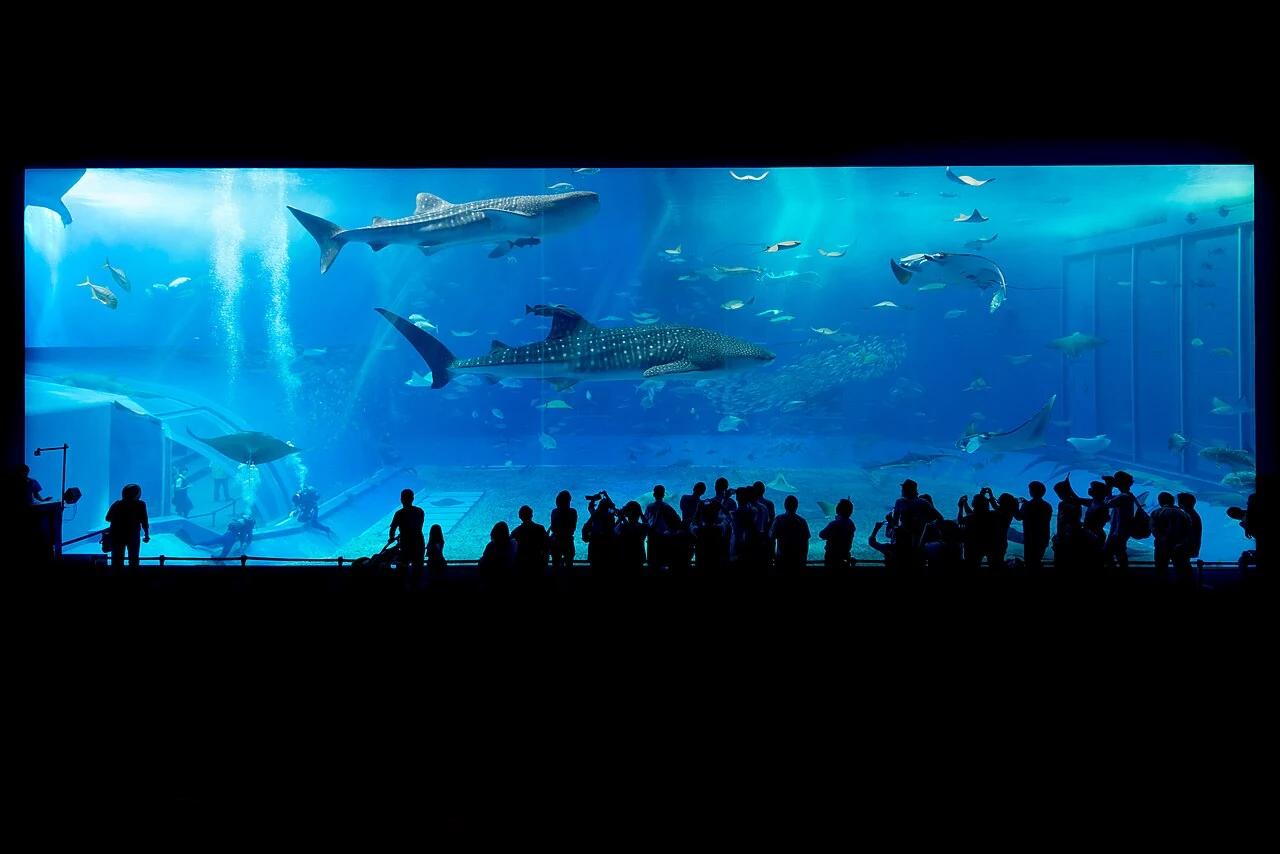
Make the aquarium the anchor of your northern day. Allow three to four hours for the aquarium, some park time and lunch as an editorial starting point, then adjust for your interests and group. Walking through a large park, buying tickets and taking breaks all use time beyond a vehicle’s arrival at the parking area.
At our check, the aquarium’s official visitor page displayed a temporary website-maintenance notice and an opening notice of 08:30–18:30, last entry 17:30. Recheck current opening, ticket and closure information for your date. We have not carried an older ticket price into this guide as a newly verified price.
The simpler afternoon: a short Bise walk
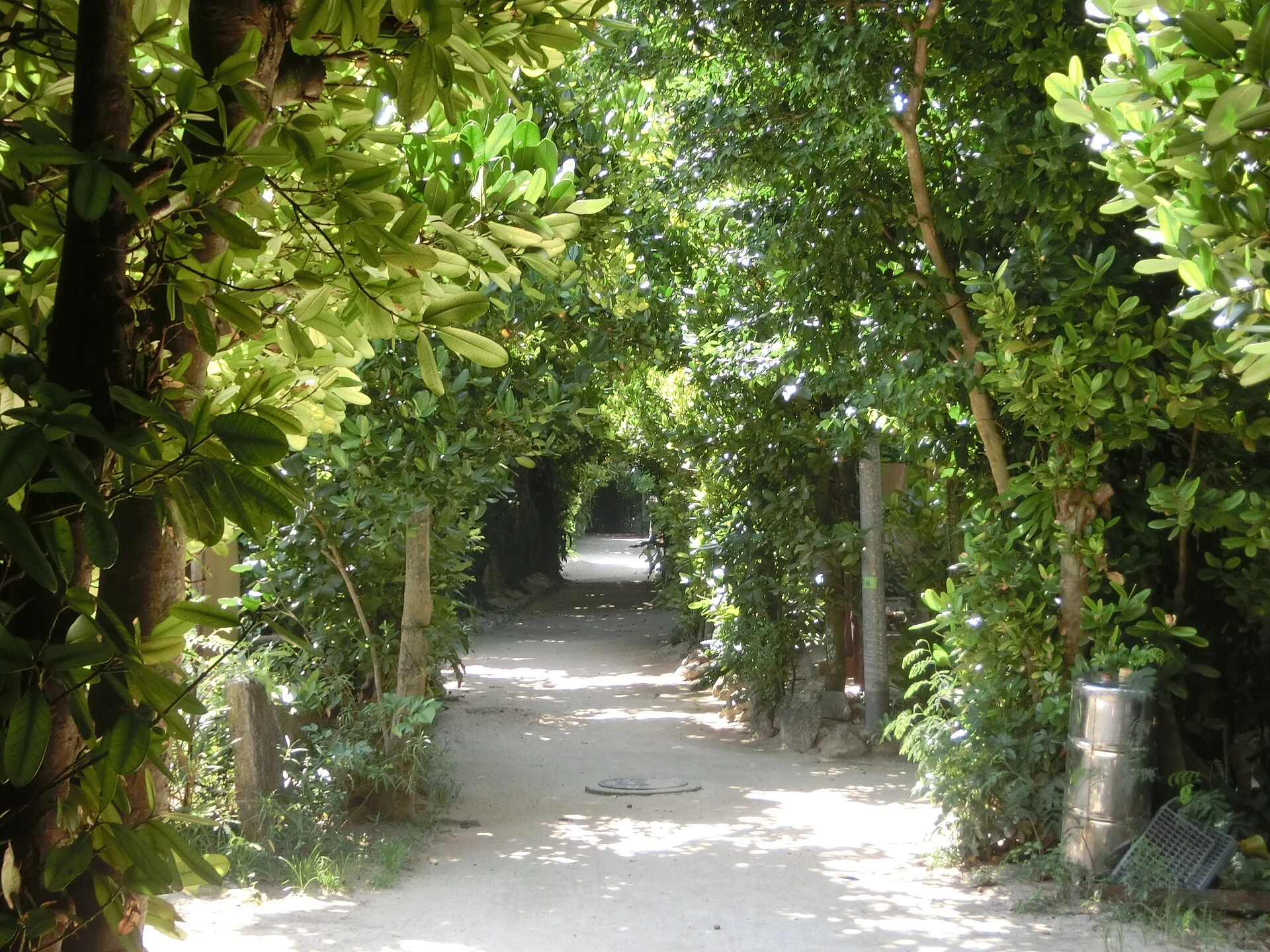
After lunch, consider a gentle walk through Bise’s fukugi-lined lanes if the weather, walking surface and your group’s energy suit it. Plan roughly an hour as a flexible allowance, rather than a timed tour promise. These are village lanes around people’s homes: stay considerate, keep access clear and turn back when the group has had enough.
Then return to your Onna hotel for dinner. The modest extra stop leaves a better margin for the drive and avoids turning the aquarium into a hurried box to tick. Our Churaumi Aquarium guide helps you decide what deserves time inside the park.
The longer alternative: Kouri Island
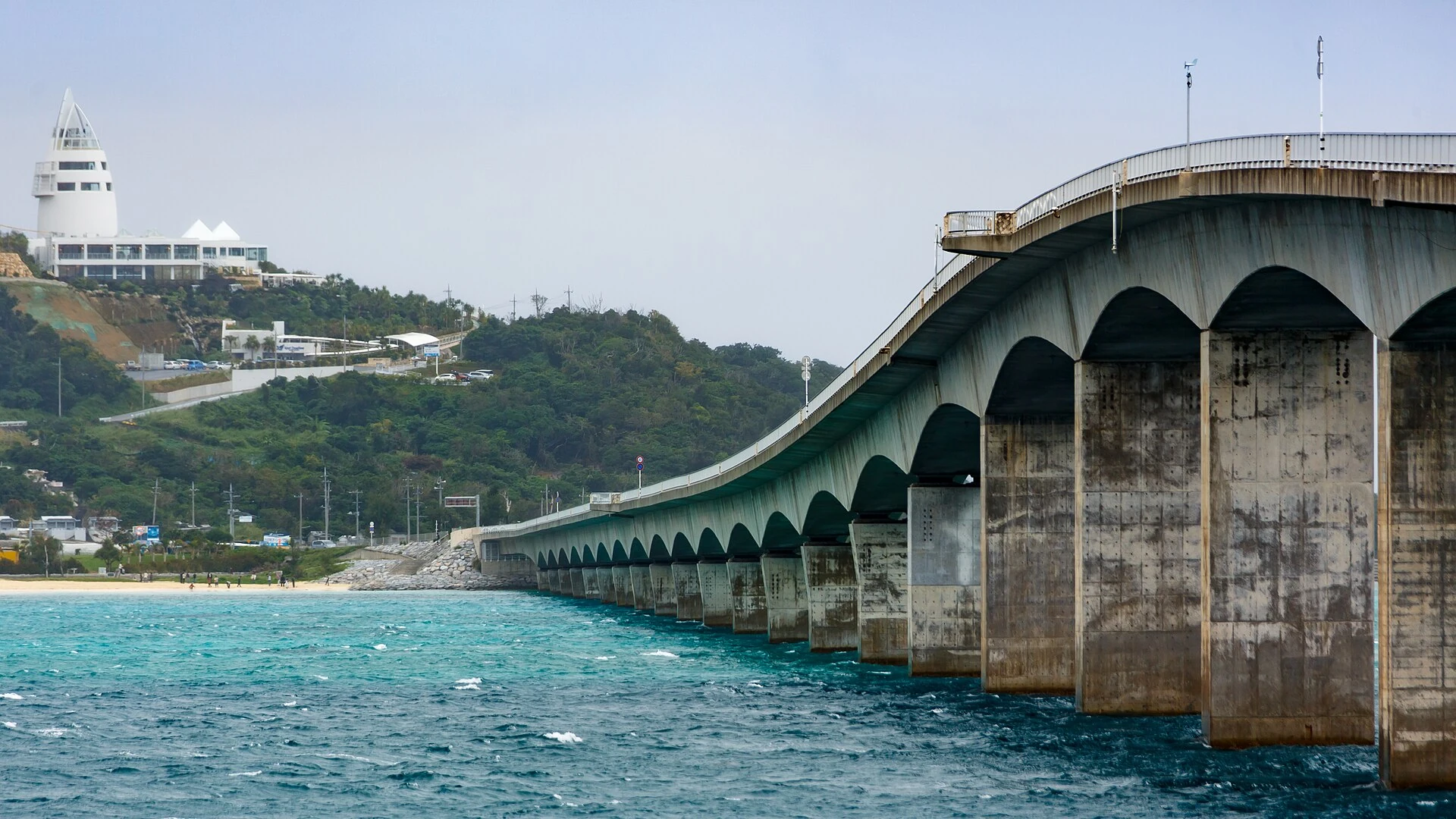
If the bridge and sea views are a particular priority, choose Kouri instead of the Bise walk. It adds another road segment and a later return to Onna. Agree the route and service hours before departure, and leave room for lunch and the actual aquarium visit. Kouri should replace part of the day, not appear as an unlimited bonus stop.
Our Kouri Island guide explains how the bridge, beaches and other stops fit together. For a five-day trip, there is no need to add Cape Hedo to this same day. If far-northern nature is your main interest, redesign the northern stay around that priority instead.
Day 5: build the morning around your airport departure
Start with the airline’s required arrival, check-in and baggage deadlines. Work backwards through the road journey, pickup or bus stop, checkout and breakfast. For self-drive, add rental-car return procedures and any transfer from the return depot to the terminal. A navigation app’s driving estimate covers neither that process nor an unexpected traffic delay.
If you are staying in Onna for night 4, the airport transfer is the main activity this morning. A late flight may leave space for a brief stop, but only after the transport plan has enough margin. Do not make a southern sightseeing loop or a second northern outing part of a fixed departure-day schedule.
For an early flight, use the final-night-in-Naha variation described above and confirm early transport availability before booking the room. A Naha address alone does not guarantee you can walk to the terminal or catch the first convenient service. The airport guide linked under Day 1 covers the main transfer choices.
Where to add beach time and local meals
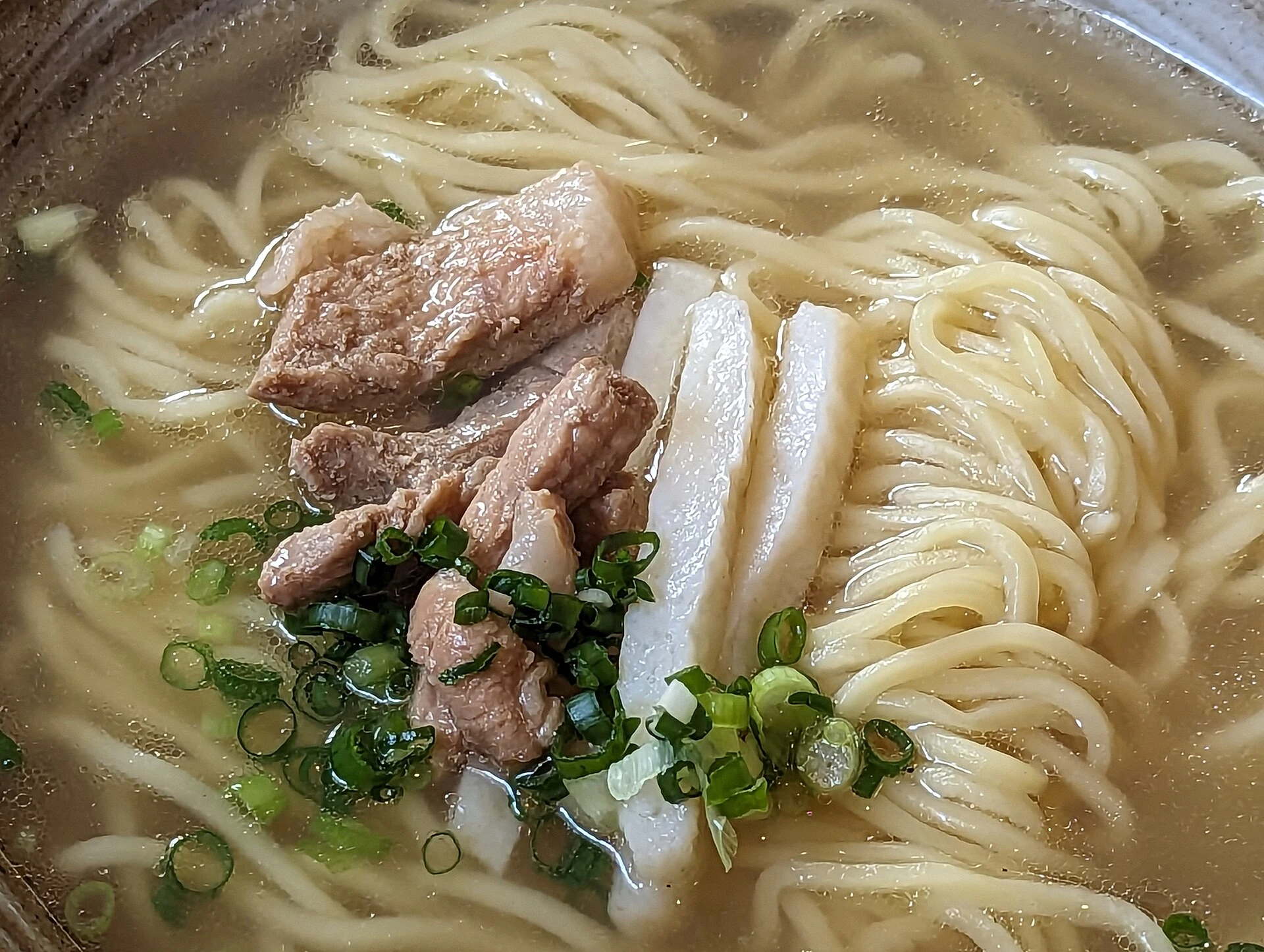
Give lunch and dinner their own place in the itinerary. Trying to finish every attraction first often leaves the group choosing food when everyone is already tired. A meal near the day’s main attraction is usually more useful than a cross-island drive to a restaurant chosen only from a photograph.
- Naha evenings: choose one evening for a market-area meal and another for an Okinawan restaurant near your hotel.
- Southern day: plan lunch around the attraction you actually choose, then add a coastal café only if it fits that same area.
- Onna transfer day: keep the afternoon clear enough to enjoy the hotel, and settle dinner transport before checking in.
- Northern day: take a lunch break before deciding whether the optional stop still appeals.
Okinawa soba, goya champuru and rafute are useful starting points when exploring local menus. Read our Okinawa food guide for dishes and ingredients. Dietary needs deserve direct discussion with the restaurant; a dish name or an English menu alone does not confirm its suitability.
Choose transport for the days that need it
You do not necessarily need the same arrangement for all five days. Walking and Yui Rail can suit parts of your Naha stay; the southern outing, coastal hotel move, northern day and airport transfer each need a separate decision.
| Approach | Where it fits this route | Confirm before booking |
|---|---|---|
| Self-drive | The southern day, hotel move and flexible northern outing. | Eligibility and documents, collection / return, parking, tolls, fuel, child seats and luggage. |
| Private driver | Specific sightseeing days and agreed hotel-to-hotel routes. | Total vehicle price, route, service hours, inclusions, luggage and confirmed seats. |
| Scheduled buses | Selected direct transfers and an aquarium-focused day. | Exact stops, current timetable, return service and any hotel connection. |
| Shared tours | A defined day trip from a suitable meeting point. | Time at each attraction, admission, language and whether the tour ends where you need. |
Compare the complete cost for your party. A private vehicle is not automatically cheaper at a particular group size, and a hired driver cannot remove road traffic. Our rental car or private driver comparison explains the practical trade-offs. For a Naha-based northern excursion, see Naha to Churaumi Aquarium by bus, taxi or private driver for boarding and return details.
A five-day Okinawa itinerary without a car
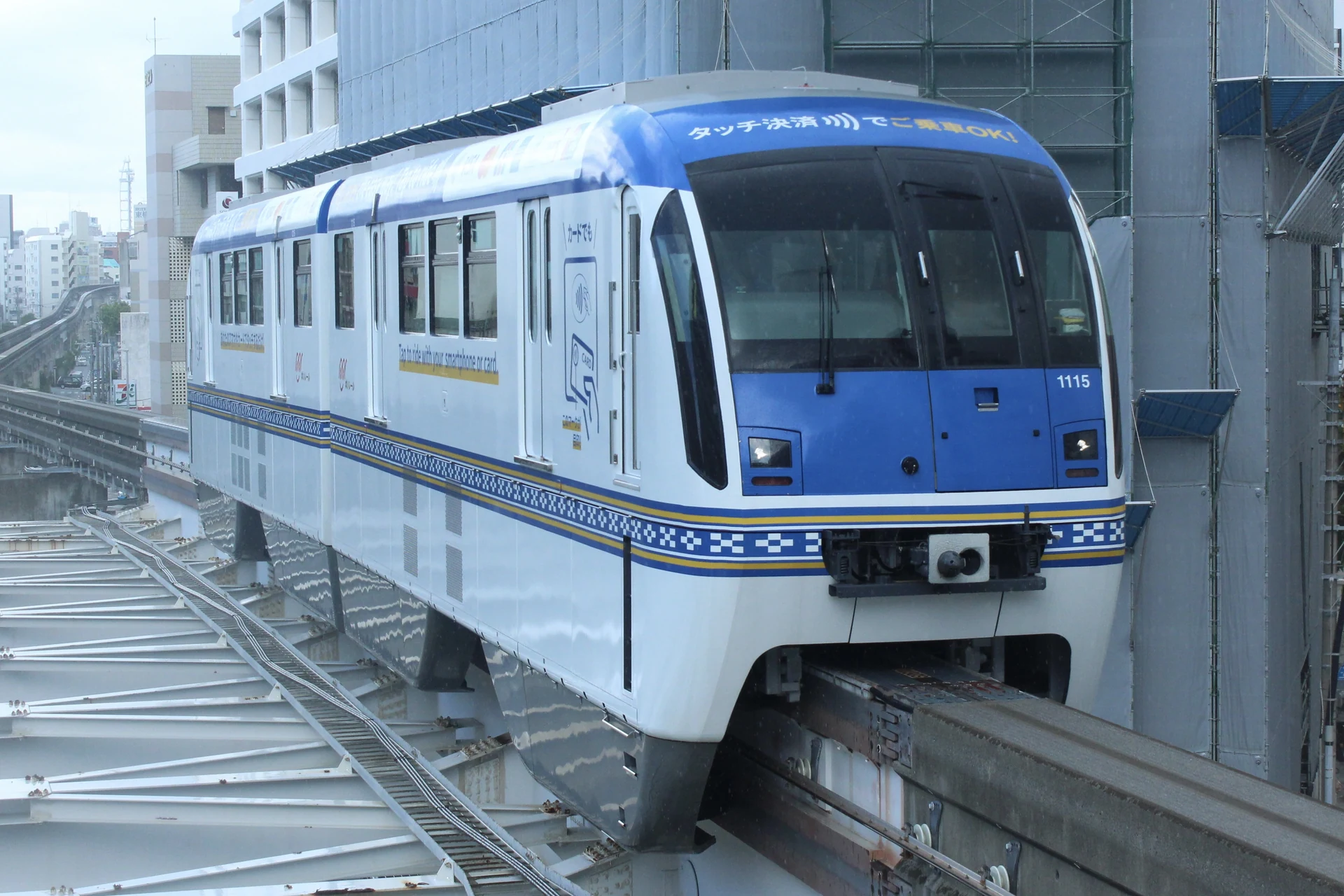
For a simpler trip without self-driving or private hotel transfers, keep all four nights in Naha. Use Day 1 for arrival, Day 2 for Shuri and central Naha, Day 3 for a prearranged southern outing, Day 4 for a direct aquarium bus or a suitable northern tour, and Day 5 for the airport. Choose the aquarium return before travelling north.
If the beach is your priority, replace the southern excursion with a coastal outing that has a confirmed return. This version offers less resort time but avoids moving luggage between hotels with inconvenient connections. A no-car itinerary is strongest when it follows actual transport links, rather than copying the same multi-stop road itinerary onto local buses. Our Okinawa without a car guide covers how to select the base and outings.
Keep one outdoor day flexible
Check the forecast before committing the coast and northern days to a fixed order. If a beach afternoon looks unsuitable, ask whether attraction tickets, activity reservations and booked transport allow a swap. Moving the aquarium to a wetter day can help only when the venue and roads are operating normally; severe weather can affect indoor attractions too.
Beach access and permitted swimming are separate questions. Confirm the specific beach’s season, lifeguard coverage and that day’s restrictions. The official Okinawa beach directory lets you compare facilities. The Japan Coast Guard’s swimming guidance advises using managed or supervised beaches and following closures and staff instructions. A sunny photograph is not evidence of safe swimming conditions.
For young children or anyone who prefers less walking, remove the optional stop before shortening meals and rest. Ask individual attractions about the actual route and assistance needed. A village lane, a cave and a large aquarium park present different demands. Our best time to visit Okinawa guide helps you choose the season around your priorities.
Five-day budget decisions and booking checklist
There is no reliable single price for five days without your dates, hotel standard and transport choice. Separate fixed bookings from day-to-day spending. The following attraction examples help you compare versions of Day 2 and Day 3; they are not a total holiday budget.
| Optional visit | Price checked October 23, 2026 | How to use it |
|---|---|---|
| Okinawa World | ¥2,000 age 15+; ¥1,000 ages 4–14. | The main visit in southern Option A; extras may be separate. |
| Sefa Utaki | ¥600 age 16+; ¥300 ages 7–15. | An alternative southern visit; check sacred-site closure dates. |
| Cape Manzamo viewing | ¥100 per person; preschool children free. | A coastal stop on the hotel-transfer day. |
| Churaumi Aquarium | Recheck the official ticket channel for your date. | Keep aquarium admission separate from any transport-only fare. |
Prices above come from the official operator links beside each attraction’s section. Add hotels, flights, meals, airport transfers, sightseeing transport and selected activities separately. For a charter, request the vehicle total and ask what happens if the agreed service runs over. For a rental, include the whole collection-to-return period and the charges your booking specifies.
- First: write down the actual arrival and departure times and airline deadlines.
- Then: select four hotel nights, checking whether an early flight changes the last night.
- Choose priorities: one southern version and one optional northern stop at most.
- Arrange transport: exact hotel addresses, service hours, return legs and luggage capacity.
- Check access: attraction closures, reservations, walking needs and beach arrangements.
- Before travelling: keep confirmations and a shorter bad-weather version available.
Frequently asked questions about five days in Okinawa
Is five days enough for Okinawa?
Five calendar days are enough for a balanced first visit to the main island if you include flight days realistically. Naha, a southern outing and two coastal nights make a coherent trip. Adding an outer island or every far-northern attraction would change its pace substantially.
Where should I stay for a five-day Okinawa trip?
For this route, start with two nights in Naha and two in Onna. Choose a final Naha night for an early flight, or all four nights in Naha if you want a simpler base without a car. The right hotel split depends on your actual flight and transport plans.
Can I follow this itinerary without renting a car?
Yes, with appropriate private journeys or booked outings for the road-based sections. For a bus-focused trip, use the Naha-based variation and reduce the number of stops. Confirm the actual service and return before choosing an excursion.
Can I visit Churaumi Aquarium and Kouri Island in one day?
They can form an agreed northern route with suitable transport, but Kouri adds travel and reduces time elsewhere. For this slower five-day plan, choose Bise or Kouri as the optional addition rather than automatically requiring both.
Should I add Miyako, Ishigaki or a Kerama ferry day?
This plan deliberately stays on the main island. An outer-island visit needs its own flight or ferry arrangements and weather contingency. Replace a day and reassess hotel nights if that experience is a priority, rather than treating it as another quick stop.
Do I need a private driver for all five days?
No. You may only want selected sightseeing days, a hotel-transfer route or an airport transfer. Decide each journey first, then compare self-drive, buses, tours and private transport. Keep the Naha walking time and resort rest time that make the five-day trip enjoyable.