Shuri Castle is a place to understand Okinawa’s royal history, stone architecture and living cultural identity. A useful visit takes you beyond a single red building. This guide to Shuri Castle and Shurijo Castle Park explains the gates, the 2026 Seiden reopening, admission choices and a manageable Naha day around them.
Before visiting Shurijo Castle Park, check the official updates on Shuri Castle reconstruction and current visitor access linked in this guide.
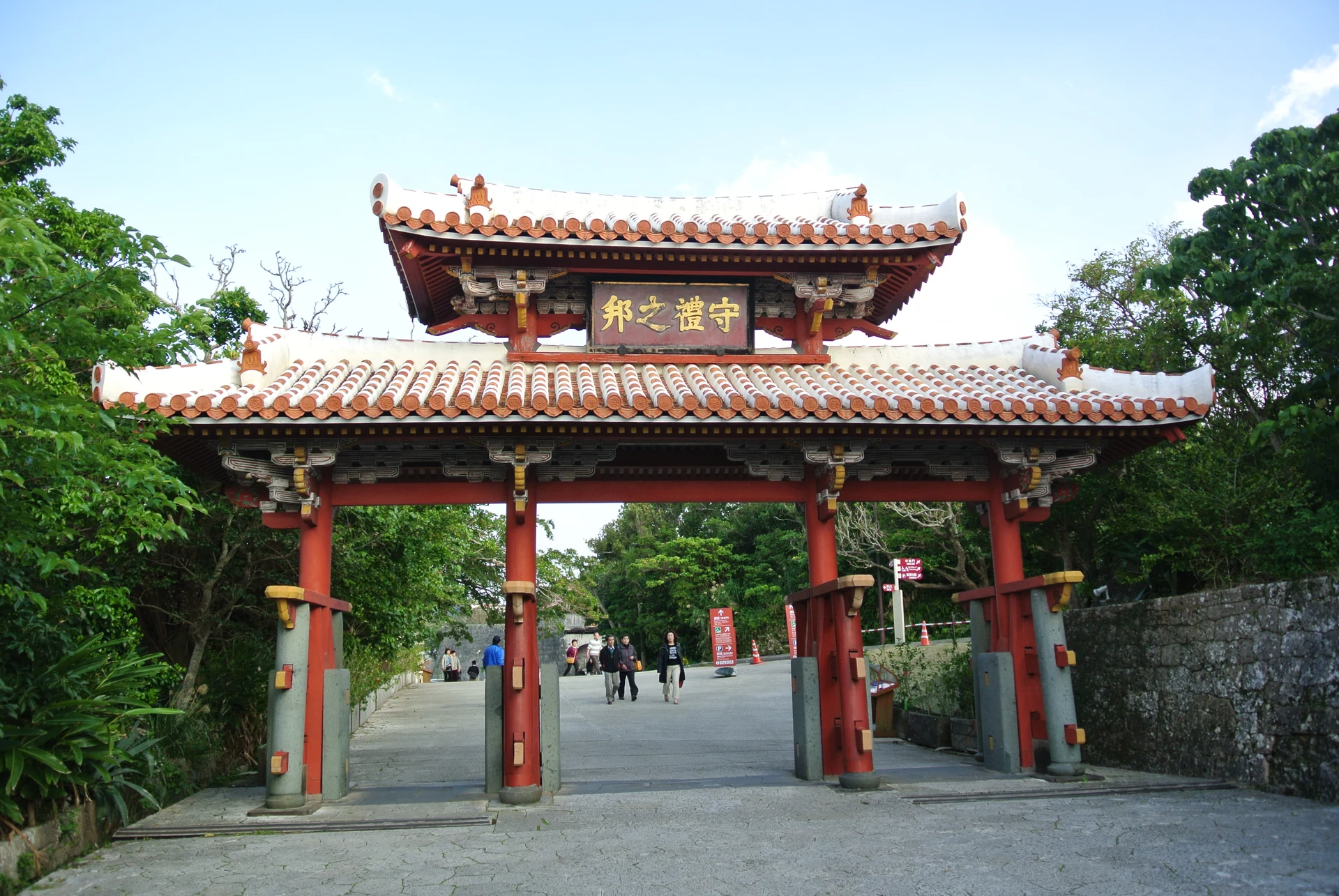
Shuri Castle or Shurijo Castle Park: decide what you want to experience
“Shuri Castle,” “Shurijo Castle” and “Shuri Castle Park” often appear in the same search, but they do not all describe a ticketed building visit. Think of the outing in three layers: the surrounding cultural landscape, the paid castle area and, from its announced reopening, the Seiden interior.
Start by deciding whether going inside the main hall is essential. If it is, an available interior reservation should shape your transport and the rest of the day. If your interest is mainly the ceremonial gateway, stonework and a shorter history walk, you can plan a different experience. Do not pay for a general admission product while assuming it automatically includes every room you have seen in an old photograph.
| Your priority | Plan around | Question to settle first |
|---|---|---|
| A short cultural introduction | Selected gates and the surrounding park landscape. | Which paths and areas are open on your date? |
| A fuller castle visit | The accessible paid-area route and its interpretation. | Does the route match your interests and walking needs? |
| Inside the reconstructed Seiden | A confirmed timed interior reservation, from reopening. | Does your ticket explicitly include that reservation? |
None of these needs to be a rushed stop between distant attractions. Choosing a shorter version deliberately is more satisfying than arriving with a long list and discovering that your ticket, mobility needs or departure time allow something quite different.
What to check before visiting Shurijo Castle Park in late 2026
The opening of a reconstructed landmark is a significant occasion, but its ceremony schedule affects ordinary sightseeing. Use the date of your visit, rather than the date you buy a ticket, when reading the announcements.
| Visit date | Planning implication |
|---|---|
| Before November 22, 2026 | Plan for the areas open during reconstruction. The forthcoming Seiden interior opening has not yet taken place. |
| November 22 | The park has announced a closure of all park facilities, including the paid area, for the completion ceremony. |
| November 23, morning | The free area inside the castle walls is closed until 11:15; the paid area until 12:00. |
| November 23, from noon | The announced Seiden public opening begins. A timed interior reservation is required to enter the hall. |
Sources: the park’s November 22 closure announcement (Japanese) and the prefecture-led opening-time announcement (Japanese). The official closure announcement was checked directly on November 3, 2026. Recheck it before travelling around the ceremony weekend.
For a trip spanning these dates, a central Naha food or shopping day is a useful alternative to the closed-park day. Keep opening-day expectations modest: a public opening time is not a promise of immediate entry or a guarantee that a particular reservation is available. Opening the main hall also does not establish access to every other structure in the wider restoration project.
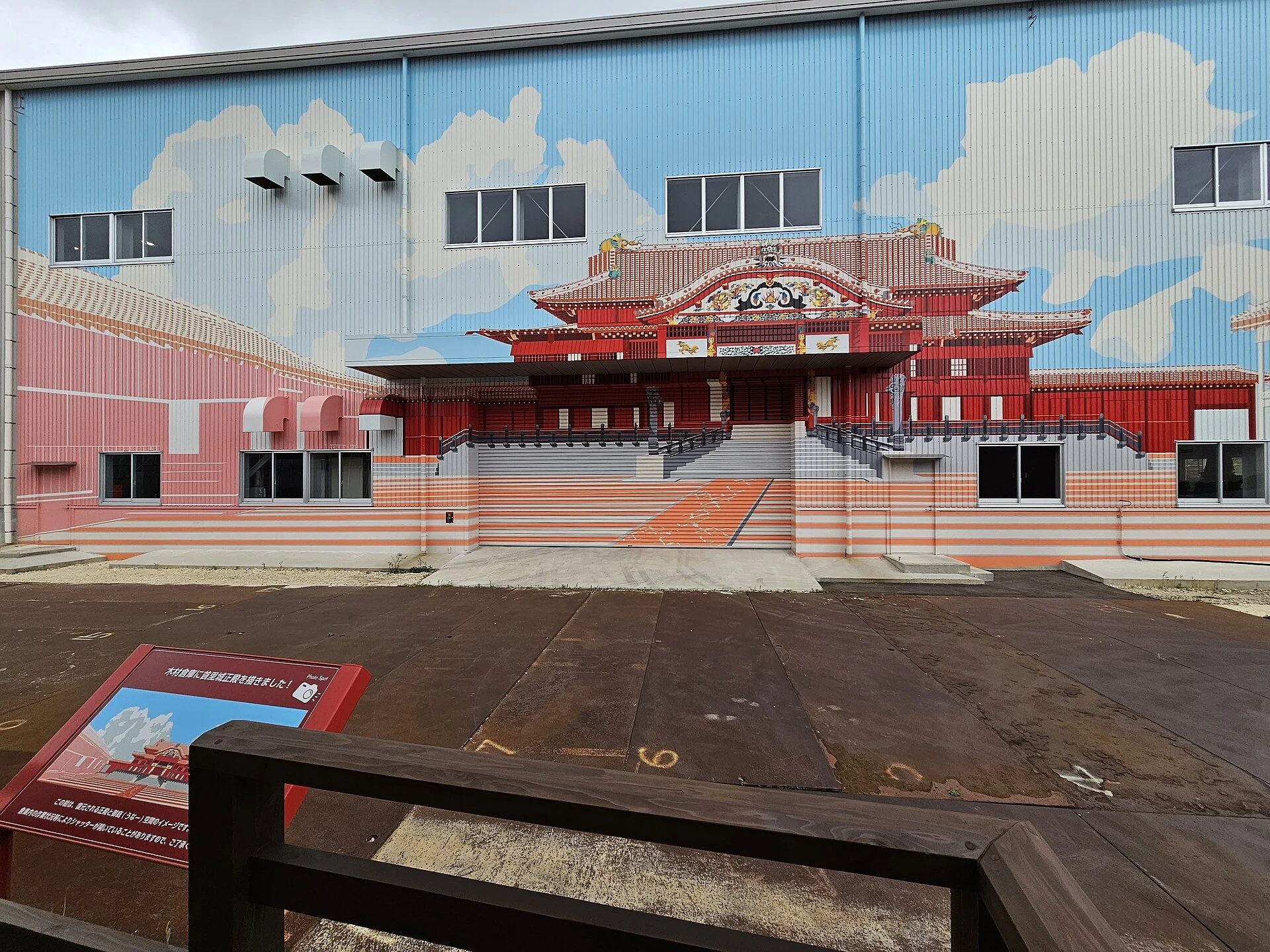
Understanding Shuri’s Ryukyu heritage
Shuri was the royal centre of the Ryukyu Kingdom, whose overseas relationships helped shape a culture distinct from that of mainland Japanese castle towns. The UNESCO World Heritage property, inscribed in 2000, combines nine components across Okinawa, including castle sites, sacred places and cultural landscapes. Its significance extends beyond an impressive palace façade.
The distinction between surviving remains and reconstructed buildings matters here. UNESCO describes archaeological evidence, restoration and the preservation of the site’s setting. A recreated hall can communicate royal architecture and craftsmanship without being an untouched medieval building. Looking at the stonework and landscape as well as the roof makes the visit more meaningful.
The official Okinawa tourism explanation describes Shuri as a centre of politics, diplomacy and culture for about 450 years. It also records wartime destruction, restoration in 1992 and the October 2019 fire that destroyed the Seiden and other major buildings. The present reconstruction belongs to that longer history of loss, research and renewal.
Before setting off, choose one question to carry through the visit: how the kingdom welcomed visitors, how sacred places related to royal life, or how stone walls followed the hill. Reading the signs with a particular question in mind turns a series of photo stops into a connected story.
Five landmarks to notice on a Shuri Castle walk
Use the current signed route and park information when you arrive. The following is a guide to recognising places, not a promise that a fixed path or construction-viewing area will be open. It also helps you match names on a booking or map to what you actually want to see.
Shureimon: the ceremonial gateway
The red-tiled gate in this guide’s opening photograph is Shureimon, not the Seiden. The Japan National Tourism Organization’s Shuri introduction identifies it as a ceremonial entrance and notes its reconstruction in 1958. Its broad roof and slender columns offer a very different impression from the stone gateways farther along the approach.
Pause far enough away to see the whole roof, then let other visitors pass through. This is a natural first photograph, but reaching it does not mean you have reached the interior reservation checkpoint. Keep your next destination clear before lingering over pictures.
Sonohyan Utaki Ishimon: a sacred stone gateway
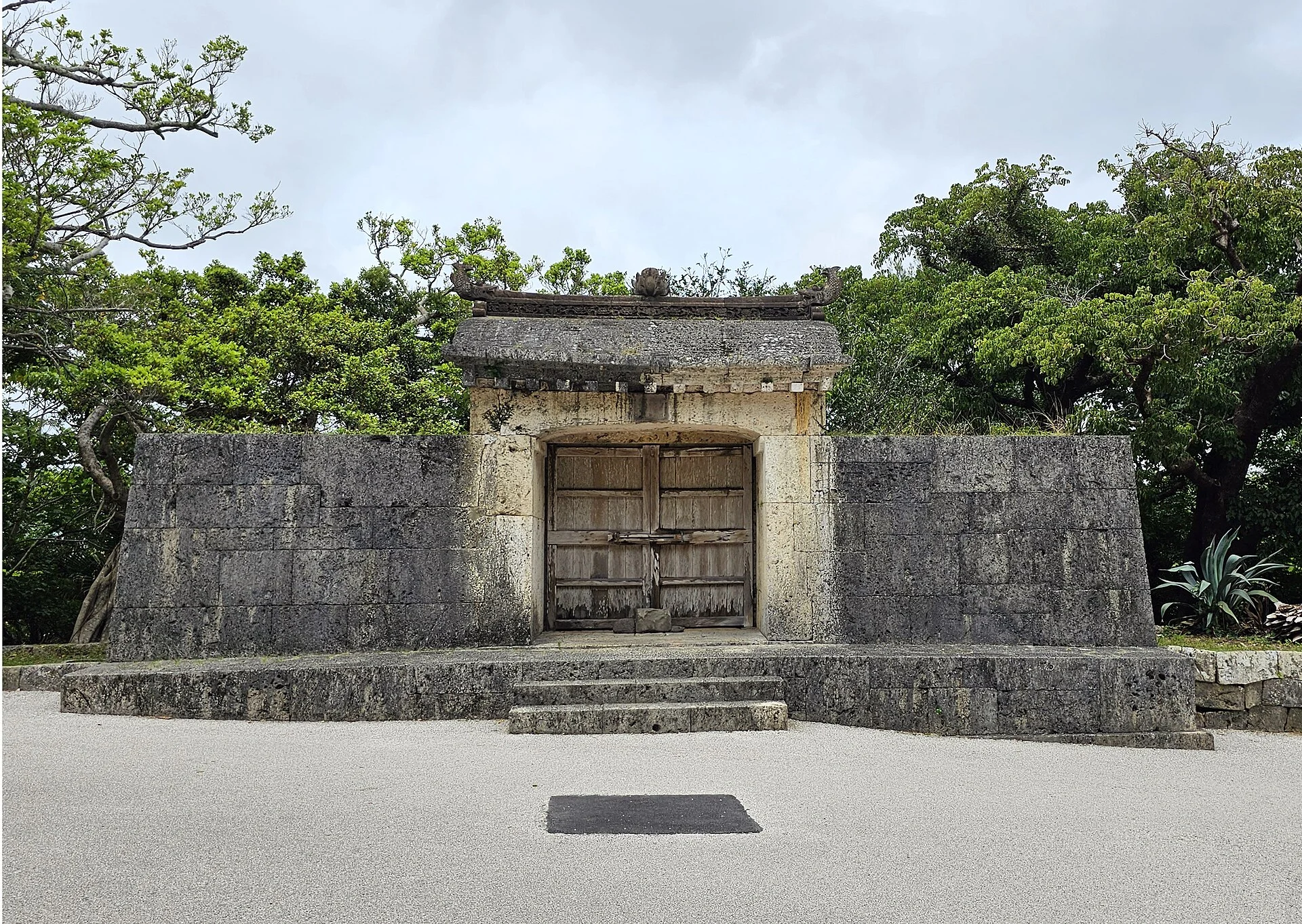
JNTO also highlights Sonohyan Utaki Ishimon, associated with prayers for the king’s safe journeys. The stone form and surrounding greenery tell a different part of the royal landscape from a residence or audience hall. Notice the way the gateway sits within that setting rather than treating it as another entrance to hurry through.
Respect signs, boundaries and anyone observing the site quietly. A short pause to read the explanation is more appropriate than using a sacred place as a stage for elaborate photographs.
Kankaimon: read the gate together with the walls
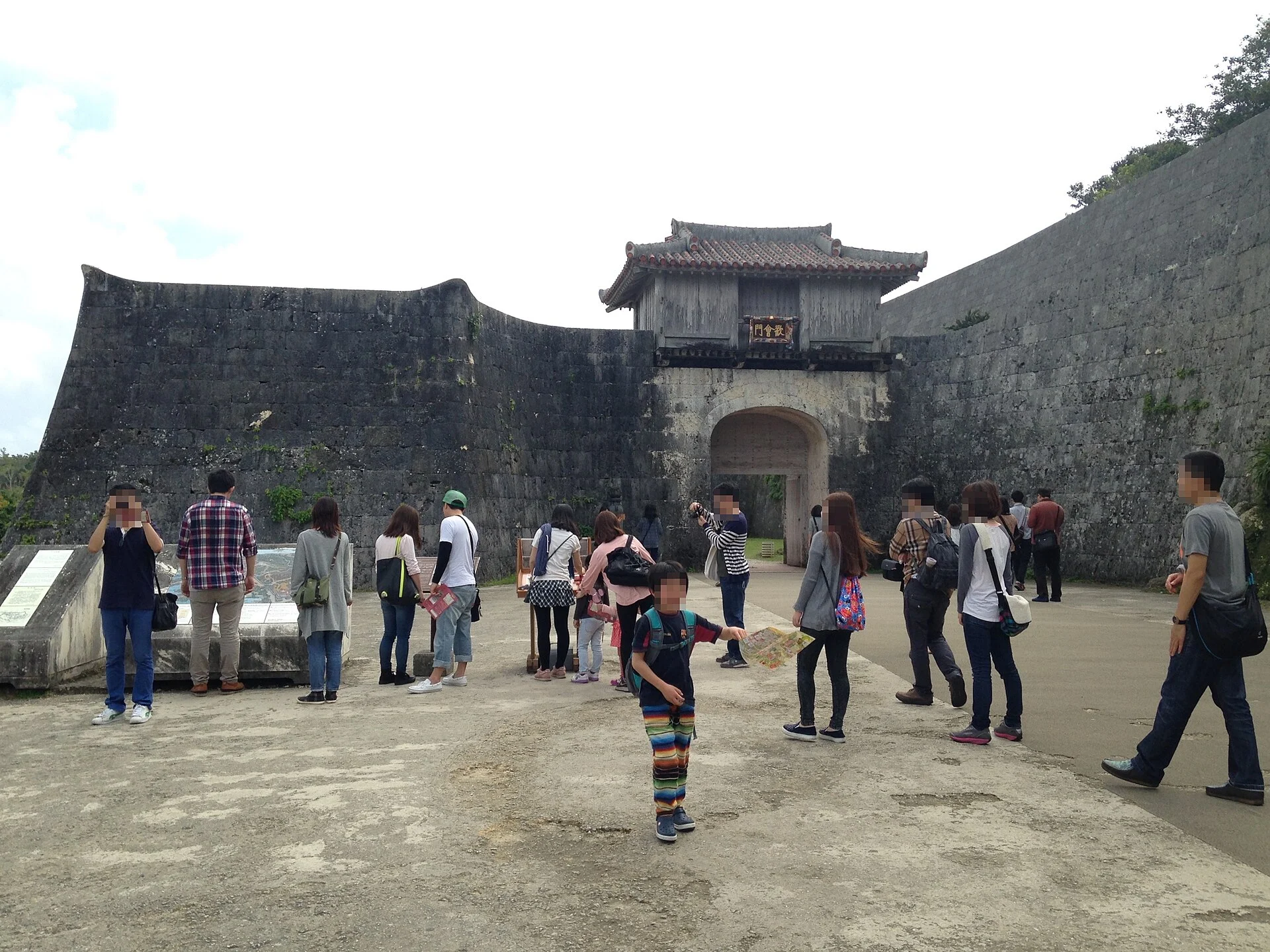
The curved walls and stone opening around Kankaimon help you see the castle as a sequence of enclosures rather than one isolated building. Compare the shape of the stone arch with Shureimon’s open timber structure. Our photograph records the architecture in 2015; follow today’s visitor signs for your route.
Look back where the path permits it and you may appreciate a different relationship between the gateway, steps and wall. Stop clear of the main flow of people instead of trying to finish every photograph while walking.
The limestone walls and the hilltop setting
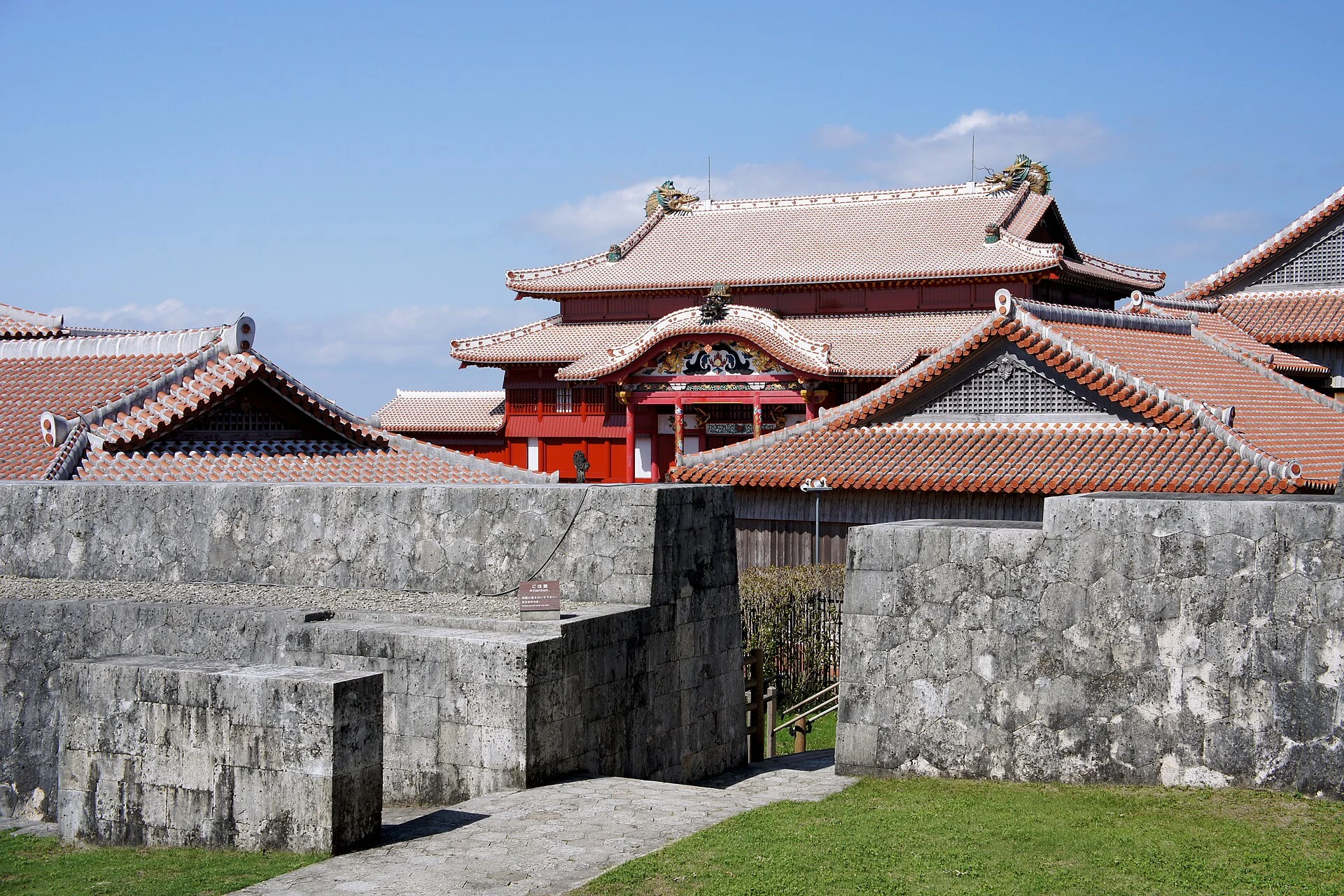
Give the stonework time of its own. The rising and curving walls make the terrain legible: this is a visit across a hill, with changing levels and views, rather than a flat museum corridor. Look closely at the stones from permitted visitor areas and avoid climbing or leaning equipment against the structures.
If someone in your party tires easily, the landscape is also a useful reminder to choose your route early. The most direct-looking line on a phone map is not necessarily the most comfortable way through a historic site.
The Seiden: distinguish the architecture from the photograph’s date
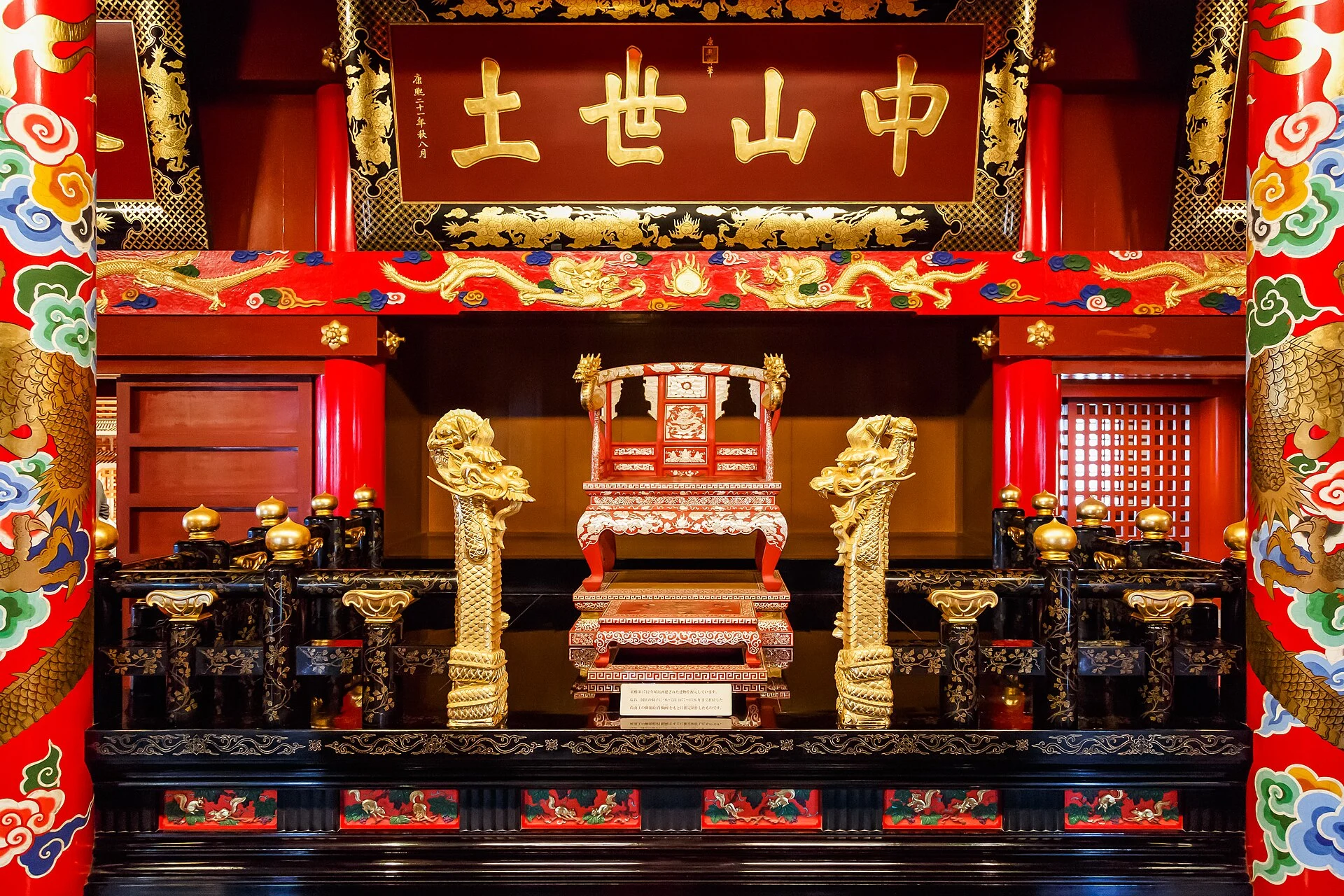
The photograph above is from January 2016, before the 2019 fire. It provides historical context for the main hall’s decorative architecture. It does not show the forthcoming visitor experience inside the newly reconstructed building. Read older travel images and museum-style room photographs with the same care.
If seeing the new interior is the main purpose of your trip, secure the appropriate access for your date. If it is not available, decide whether the park’s other open areas would still make a worthwhile outing for you. Both decisions are reasonable; they lead to different expectations.
Shuri Castle admission: compare the date and the access
The park’s live visitor summary lists these standard individual paid-area prices. The change applies to entry from November 23, 2026.
| Visitor category | Through November 21 | From November 23 |
|---|---|---|
| Adult | ¥400 | ¥1,000 |
| High-school student | ¥300 | ¥760 |
| Elementary / junior-high student | ¥160 | ¥370 |
| Child under six | Free | Free |
From reopening, the paid-area price is the same with or without an interior reservation; the reservation adds no fee. However, the two tickets do not provide identical access. An exterior / general paid-area ticket is not an interior booking.
Example: two adults and one elementary-school child total ¥960 before the change, or ¥2,370 from reopening, using the standard categories above. This is an admission calculation, not a package quote. Add transport and meals separately, and check any concession directly with the park.
How to reserve the Seiden interior without confusing the ticket types
Start at the park’s official ticket guide, which links to its ticket channel. Where a seller offers several products, read the actual access description rather than choosing only by the attraction name or a small difference in price.
- Confirm your visit date. Check the closure and special opening arrangements above.
- Choose interior access deliberately. Look for the ticket stating that it includes the Seiden interior reservation.
- Check a reachable time. Include the journey to Shuri, the approach and entry procedures before selecting a slot.
- Review the party details and conditions. Read eligibility, change and cancellation terms on the actual booking.
- Keep the confirmation available. Save the ticket and instructions so you can find them at the entrance.
The official reopening FAQ says same-day interior purchases are possible only when reservation space remains, up to 15 minutes before the relevant slot. It also says people eligible for free admission and annual-pass holders generally still need an interior reservation, with preschool children excepted. Do not assume a concession or a walk-up queue guarantees entry inside.
If you buy through another platform, resolve these questions before paying: does it include the interior, which date is valid, where is it redeemed, and what happens if your plans change? A transport tour, a guide service and a castle admission ticket are separate products unless the booking explicitly combines them.
Opening hours and how much time to allow
At our October check, the park’s live summary showed the free area inside the walls at 08:00–19:30, and the paid area at 08:30–19:00, last entry 18:30. Recheck seasonal hours for your travel date; ceremony restrictions take precedence.
Your useful planning unit is the whole outing. A train arrival, a photograph at Shureimon and the time printed on an interior ticket are three different moments. Allow time for finding your way, reading signs, walking between levels and taking a break.
- Short introduction: an editorial allowance of 60–90 minutes around selected park landmarks, excluding the journey to Shuri.
- Fuller park visit: reserve roughly two to three hours on site as a flexible planning block, with more if your group needs breaks.
- Naha day with lunch: leave a half day or longer for Shuri plus travel, then keep the city portion short enough to enjoy.
These are suggested allowances, not official tour durations or a guarantee of queue times. For a timed interior visit, choose a station-arrival target comfortably before the reservation and check the booking’s precise entry instructions. If the only available slot forces a tight connection from a flight, choose a different day or a different visit style.
Getting to Shuri Castle from Naha

Yui Rail plus the approach on foot
Shuri Station on Yui Rail is a useful starting point from many Naha hotels. JNTO gives a 15–20-minute walk from the station as a broad approach estimate. That is not the total time from your hotel to the Seiden. Find your hotel’s nearest boarding station, check the official Yui Rail service and fare information, and allow for the walk onward.
Use a current park route map or directions rather than following only a general castle pin. Confirm where your ticket asks you to enter, and leave extra time if you are navigating in the heat, stopping for pictures or walking with children. A station arrival at the start of an interior slot is too late a target for a relaxed plan.
A taxi or private vehicle
A taxi or an agreed hotel pickup can reduce the transport steps, especially from a coastal hotel or when combining several Naha sights. Confirm the drop-off and later meeting point; they should be places a vehicle can legally use, with a route your group can manage. A car does not remove the walking inside the park or guarantee road conditions.
For most visitors staying in central Naha and making only this outing, compare the simple rail journey before reserving a whole vehicle. For a larger day with luggage or several agreed stops, compare the complete arrangement instead of a one-way fare alone. Our Okinawa without a car guide and self-drive versus private driver comparison explain the wider choices.
Combining Shuri with a Naha day out
Choose one additional area rather than trying to cross the whole island after the castle. The following combinations are editorial routes, not reports of a single tested day or timetabled tours.
Royal history, then central Naha food
Make Shuri the main morning or early-afternoon visit, depending on your reservation. Afterwards, return towards central Naha for a local meal and a short walk around the Kokusai Street / Makishi area. Check the market’s opening day and trading hours rather than assuming it will be available whenever you finish.
The Makishi Public Market guide covers the practical meal arrangements. For menu ideas, use our Okinawa food guide. Keeping lunch near the rest of your day leaves more time to enjoy both the history and the food.
A neighbourhood extension around Shuri
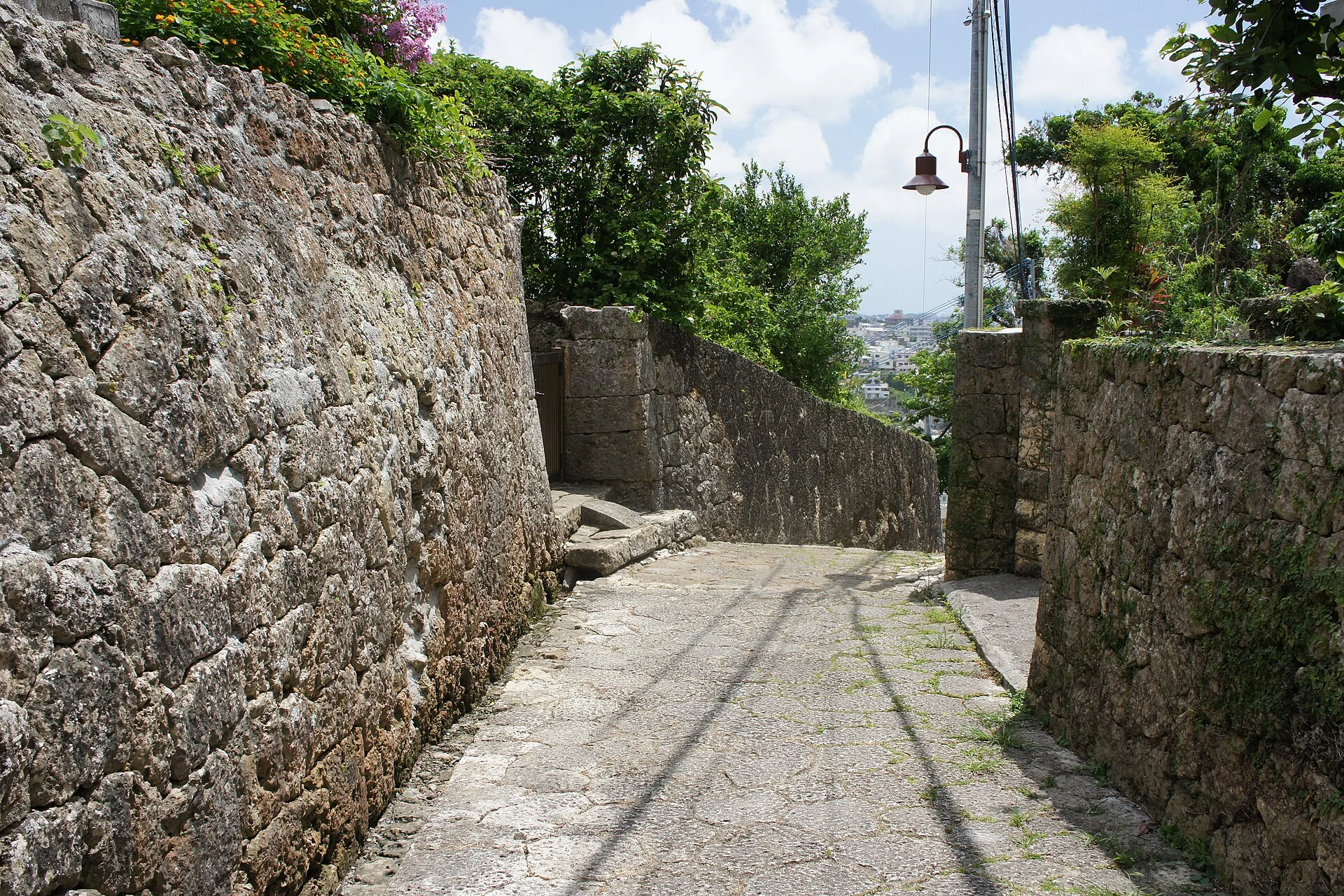
If the group enjoys walking, consider the Kinjocho stone-paved lane highlighted by JNTO. The surface and slopes are part of the choice: add it only when they suit everyone, and do not assume the route loops neatly back to your original pickup point. Check the direction and end point before setting off.
Keep this a neighbourhood walk rather than a performance for the camera. People live along these streets. Leave doorways clear, respect private property and use designated public routes. For a gentler version, spend longer at the park and leave the extra lane out.
Fit Shuri into a longer Okinawa trip
Our three-day itinerary and five-day, four-night itinerary give Shuri a place within the wider trip. Keep the aquarium and other far-northern priorities in a separate substantial travel block. If you are still choosing a base, compare Naha with Chatan, Onna and Motobu before arranging repeated city journeys.
Walking, children and accessibility: plan for your own group
Prepare for a historic hilltop site rather than assuming every path is flat. Comfortable shoes, drinking water, sun protection and a compact day bag make the outing easier to manage. In wet weather, assess the actual surface and shorten the surrounding walk if it no longer suits your group.
If step-free access, a wheelchair, a pushchair or a place to rest is important, ask the park about the exact route and facilities currently available. Its management centre is listed on the official visitor page at 098-886-2020. Explain the practical need: for example, avoiding stairs between the approach and the ticketed area, rather than asking only whether the entire attraction is “accessible.”
Set a comfortable turnaround point for children or anyone with limited stamina. You can remove the neighbourhood extension or choose a shorter park visit before cutting out every break. Keep large luggage with your accommodation when possible and confirm any storage arrangement beforehand. Our airport transfer guide is useful if the castle is being considered on a travel day.
A private driver and a historical guide also serve different purposes. Transport can solve pickup and route arrangements; interpretation of royal history needs the appropriate guiding service. State what you want when requesting a quote, and do not assume a vehicle booking includes a guided walk through the castle.
A short checklist before you go
- Date: check the park’s opening notice, particularly November 22–23, 2026.
- Purpose: decide whether you need the Seiden interior or would prefer a shorter park visit.
- Ticket: confirm the access, visitor categories and any timed reservation.
- Arrival: include the station or vehicle approach and walking inside the park.
- Comfort: check the route against stairs, slopes, weather and the group’s pace.
- Rest of the day: choose one Naha extension and leave room for a meal.
- Travel day: work backwards from airline deadlines, baggage collection and the airport journey before adding a fixed castle appointment.
Use the date-specific operator information for tickets and access, and the heritage explanations for context. When a booking page and the park’s current notice differ, resolve the difference before paying or setting off. An old photograph remains useful for understanding the site, but it should not decide today’s visiting route.
Frequently asked questions about Shuri Castle
Is Shuri Castle open after the 2019 fire?
The park can be visited in its currently open areas, while the reconstructed Seiden interior is scheduled to open on November 23, 2026 at noon. Check your travel date: the park has announced a closure on the previous day and special reopening-day restrictions.
Are Shuri Castle and Shurijo Castle the same attraction?
They are commonly used names for the castle site. “Shurijo Castle Park” describes the wider visitor setting. Identify whether a ticket or itinerary means the park, the paid area or a reserved Seiden interior visit.
Does a Shuri Castle ticket include the main hall?
For the forthcoming interior opening, look for a ticket with the timed Seiden reservation. General paid-area admission alone should not be treated as an interior booking. Read the exact product before purchasing.
Can I visit Shuri by monorail without a rental car?
Yes. Yui Rail serves Shuri Station, with an onward walking approach. Add navigation, walking inside the park and any ticket procedures before an interior appointment. A station arrival is not the same as arrival at the hall.
How long should a first visit take?
Our editorial suggestion is a half-day block from central Naha for transport and a fuller visit, with a flexible lunch afterwards. A shorter selected-landmark walk can work if that matches your interests; neither allowance guarantees queue times.
Are the photographs in this guide the new Seiden?
No. The main-hall photograph is explicitly dated January 2016, before the fire, and the construction photograph is from 2023. They provide historical context. The captions identify the date and purpose of each image so you can distinguish the architecture from current access.