A good Okinawa itinerary brings your favourite places, your hotel and your travelling companions into the same plan. Start with the time you can actually use, then choose a route that leaves room to enjoy it.
Start your Okinawa trip plan with the places that matter most to your group, then choose a route and transport that fit your available days.
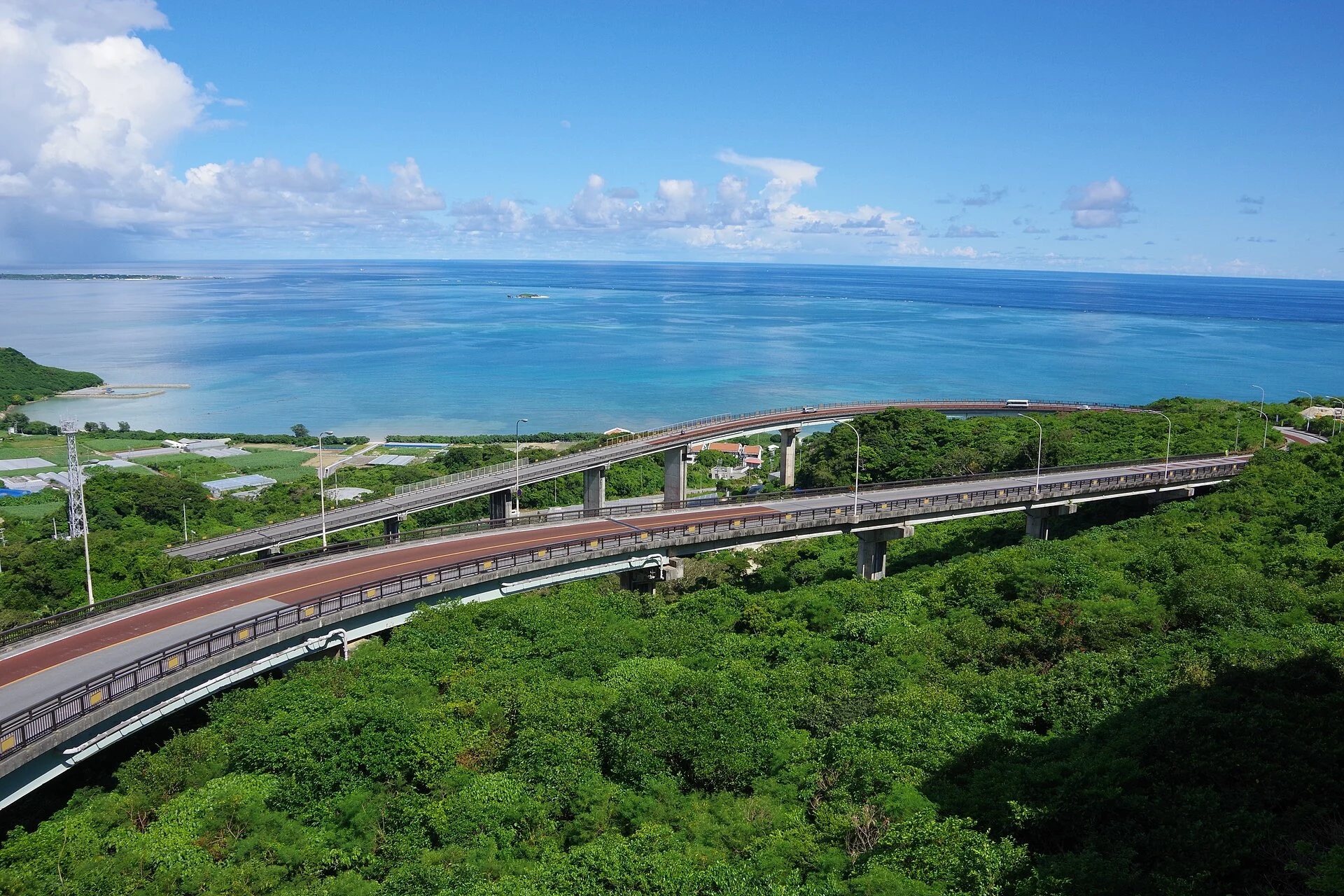
This planning guide focuses on Okinawa Main Island, including Naha, the west coast and the Motobu area. It is a framework for couples, families and groups, rather than another fixed day-by-day list. If your priorities are Ishigaki, Miyako or another island, build a separate transport and accommodation plan around that island.
Choose your island and count your usable days
“Okinawa” can mean the main island or a much wider island holiday. The official tourism transport guide separates road and public transport options from inter-island ferries and flights. Treat a change of island as a travel segment, with its own check-in, luggage and connection arrangements. Source: VISIT OKINAWA JAPAN, getting around Okinawa.
Next, write down your flight arrival and departure times. A trip sold as five days and four nights can contain only three full sightseeing days if you arrive late and leave early. Those three days need a different plan from five full days on the ground.
| Time available | Useful planning approach | Avoid assuming |
|---|---|---|
| Arrival afternoon or evening | Reach your hotel, settle in and choose a nearby meal or short outing if time allows | That landing time is the moment sightseeing starts |
| Full day | Choose a main outing and include the complete return journey | That every daylight hour is available for attractions |
| Departure day | Work backwards from your airline’s check-in requirements and transport arrangements | That a distant final stop fits before an evening flight |
| Hotel-change day | Plan luggage, check-out, transport and check-in before adding sightseeing | That moving hotels takes no time out of the day |
Mark your fixed commitments first: flights, a booked activity, a restaurant reservation or a cruise deadline. Keep the remaining time flexible until you have checked transport. This simple step prevents a route from becoming a set of appointments that cannot comfortably connect.
Choose your base and transport together
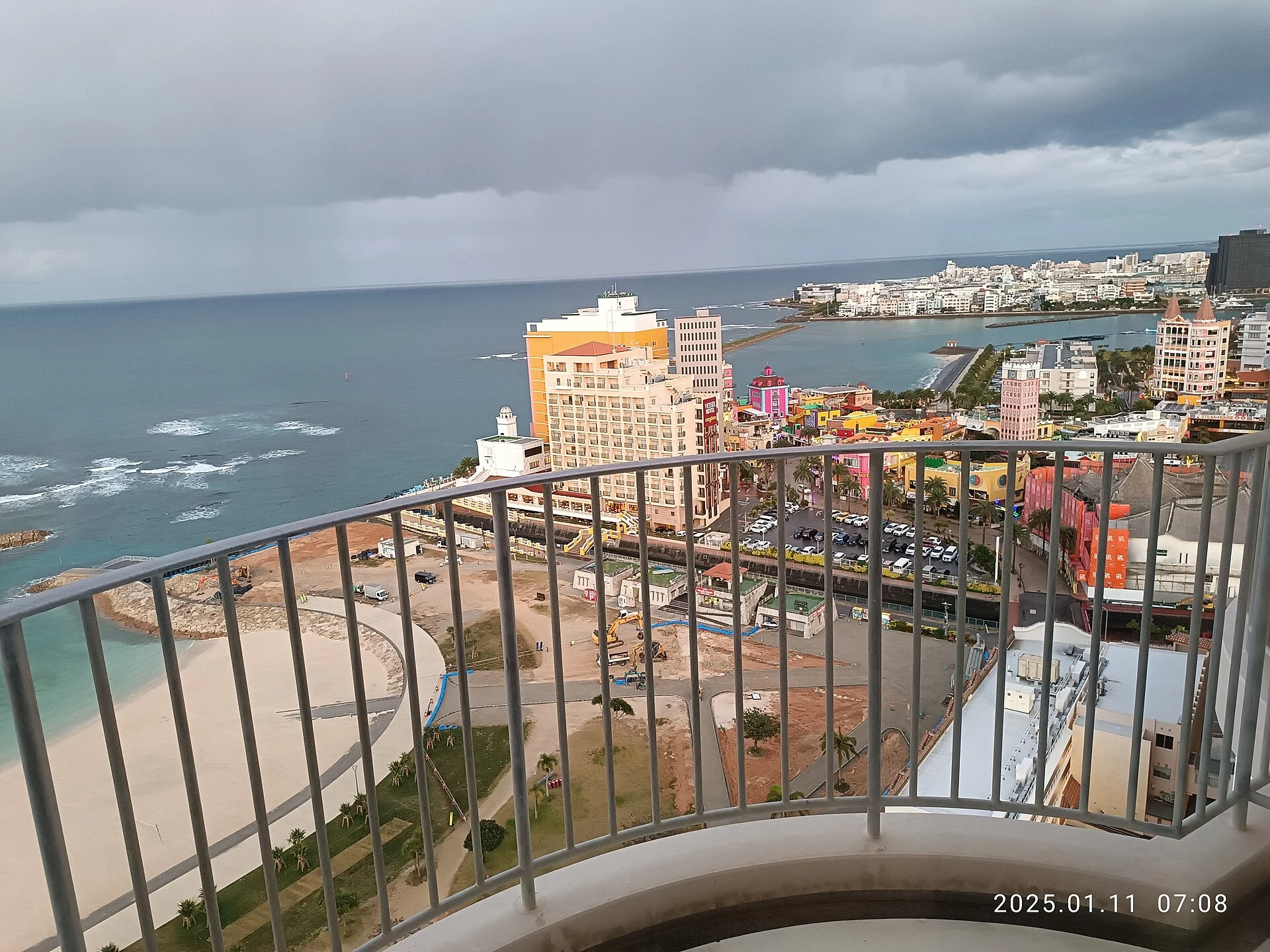
Look at the places you most want to visit before selecting a hotel solely from its photographs. A central Naha stay, a Chatan coastal stay and an Onna resort stay solve different planning problems. Your exact hotel location matters more than a broad area label.
| Base | Consider it when | Check before booking |
|---|---|---|
| Naha | City food, markets, culture and convenient arrival/departure are priorities | Access to your station or bus stop, and transport for each coastal or northern outing |
| Chatan | You want coastal surroundings with time around American Village | How to reach the hotel, your actual dinner options and any tour’s named pickup point |
| Onna / west-coast resort area | Using the resort and spending unhurried coastal time are important parts of the holiday | Transfer service to the specific hotel, facilities’ operating dates and transport beyond the resort |
| Motobu / northern base | You want more time around the aquarium, Bise and the northern coast | The journey from the airport and your return plan on departure day |
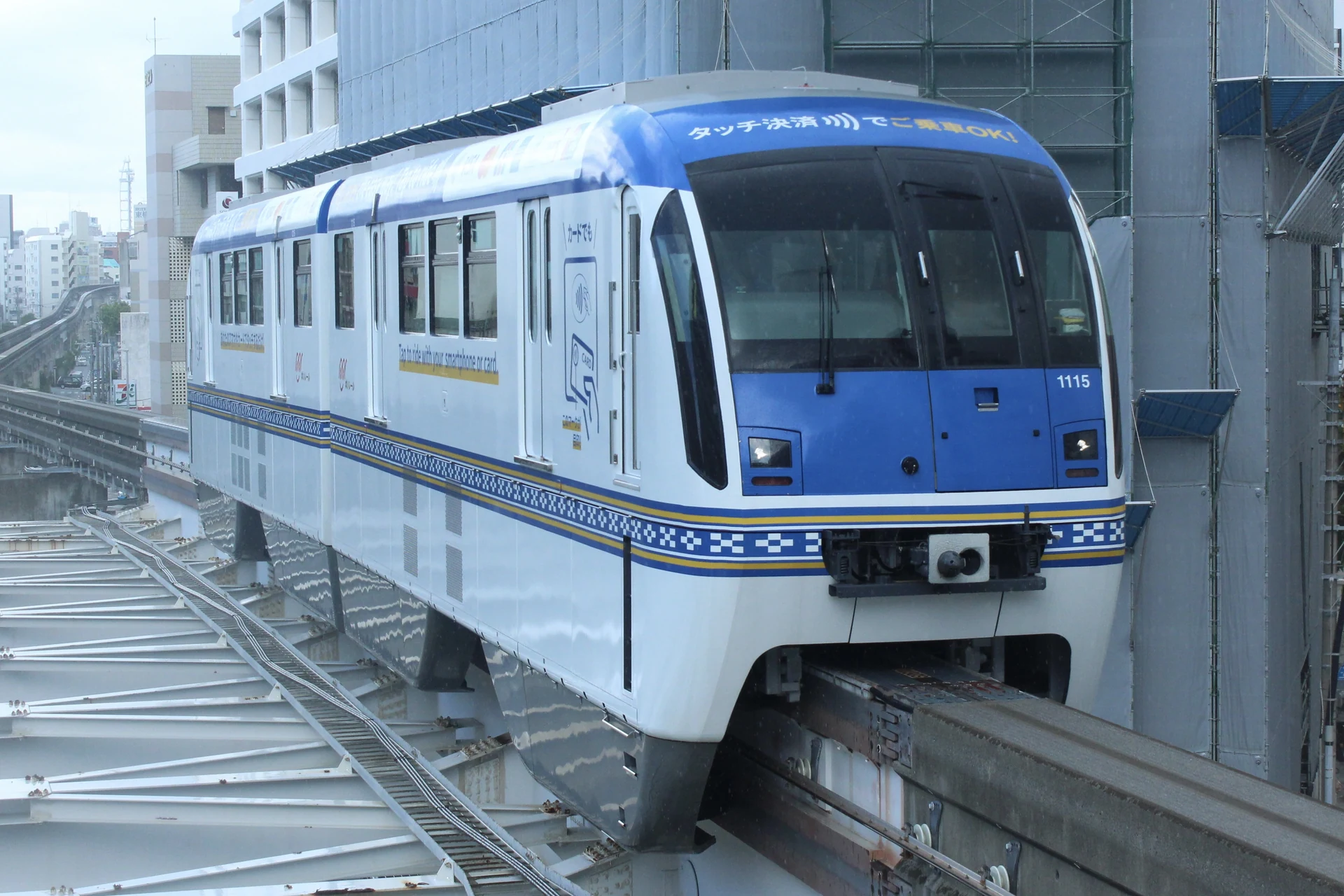
For a trip without self-driving, decide how you will complete your longest outing before paying for the hotel. Yui Rail is useful around Naha and its corridor; it does not turn the whole main island into a rail itinerary. Buses, a shared tour, taxis or private transport can fill different gaps. Check the actual route and return journey rather than choosing one transport method for every day.
The official tourism site provides separate guidance on monorail, buses, taxis and rental vehicles. For a more detailed decision, see our where-to-stay comparison and Okinawa without a car guide.
One base or a split stay? One base keeps luggage and check-ins simple. A split stay can give the coast or north more attention, but it works best when the hotel move replaces repeated travel you would otherwise do. Draw both versions of the route and compare them. Moving hotels every night can create more work than the distance it saves.
Match your Okinawa itinerary to your travel party
Use the needs of the actual people travelling with you, rather than assuming that every couple wants the same romantic stops or every family wants a theme park. Ask each person for one priority, one thing they would happily skip and the pace they enjoy.
For couples: decide what you want to enjoy together
Start with shared time: a cultural visit, an unhurried lunch, a beach walk, a workshop or a scenic drive. Choose one or two experiences that deserve attention rather than trying to make every stop a highlight. If one person likes early starts and the other prefers slow mornings, agree which days will use each rhythm.
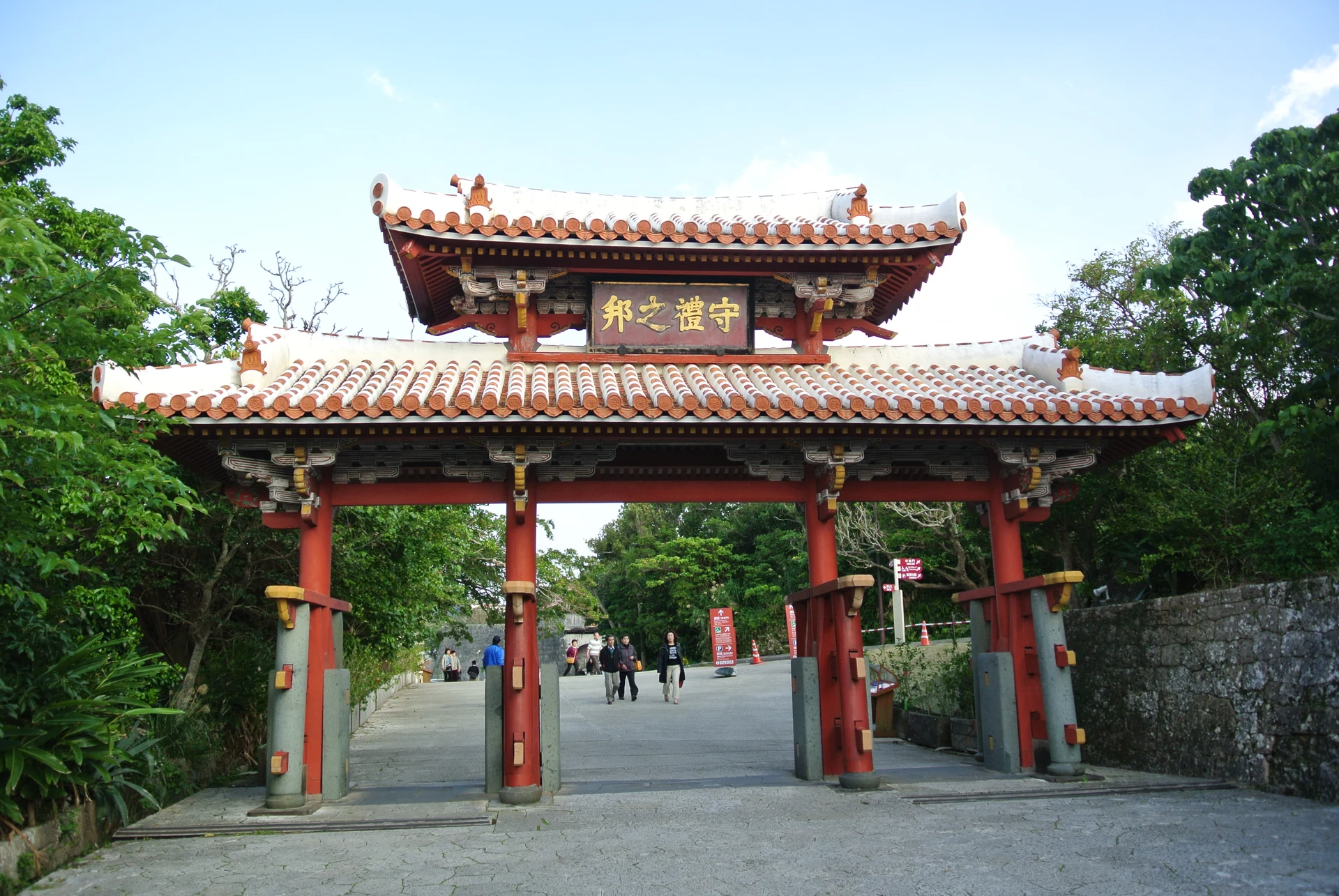
For example, a culture-and-food couple might give Naha and Shuri a generous day, then choose a separate coast day. A couple prioritising the resort might spend more nights by the sea and make one longer excursion. These are editorial planning options, not assumptions about what a couple should enjoy.
For Shuri, check current castle-park visiting information rather than relying on old photographs or assuming every part of the site is accessible on your date.
For families: build the day around ages, breaks and interests
Write down children’s ages, usual rest times, walking tolerance and the activities they are excited about. Give lunch and breaks a place in the plan. A visit that is manageable with school-age children may need a different structure with a baby or toddler.
Churaumi Aquarium can be a main outing rather than a quick stop between several others. The aquarium’s official infant guide lists ramps, nursing rooms and free stroller loans at specified park locations. Loans are first-come, first-served and cannot be reserved, so do not build your whole day around one being available. Source: aquarium information for visitors with infants.
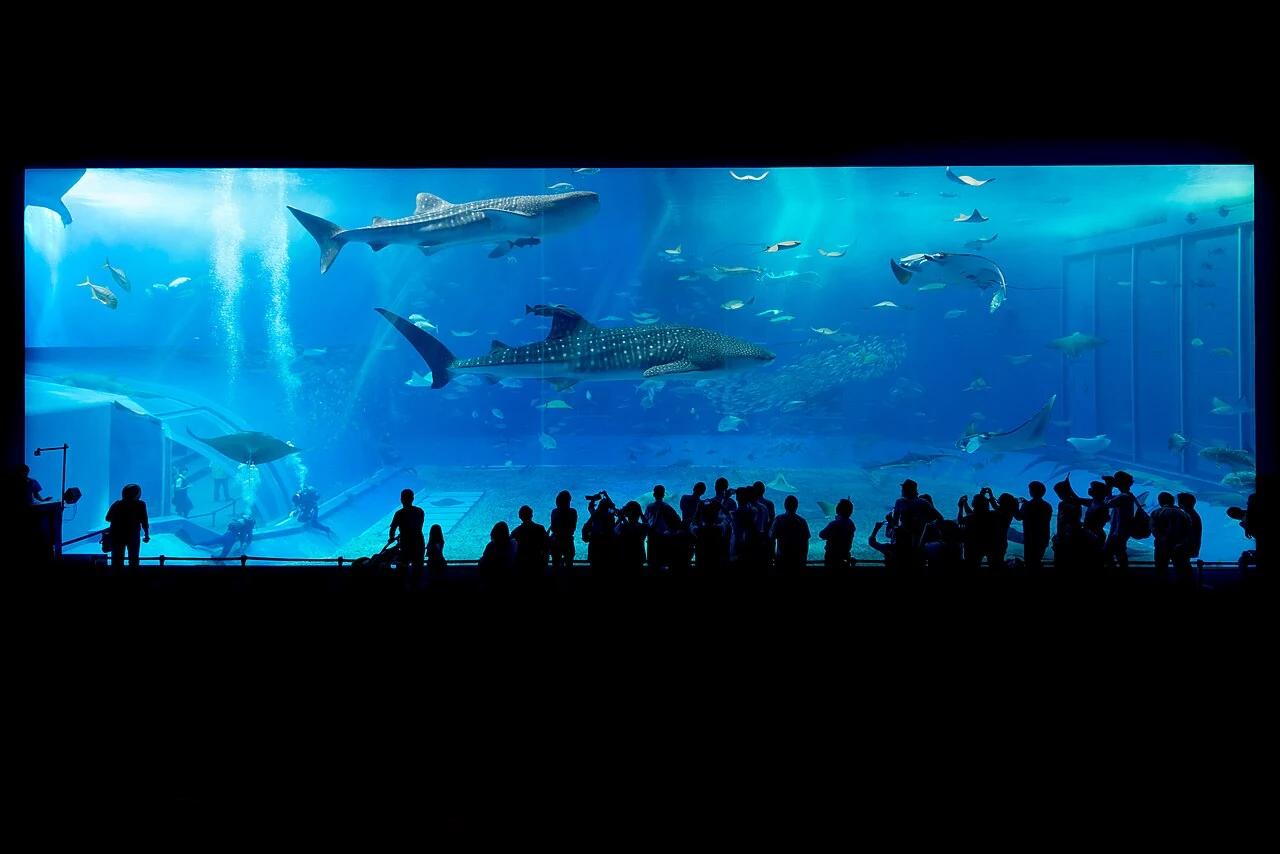
Choose an optional nearby stop only after allowing enough time for the aquarium and a meal. Older children may prefer a different balance, such as a workshop, outdoor activity or beach time. Before booking an activity, ask the operator about its age, ability and supervision requirements. A generic “family-friendly” label is not enough to establish that it suits your children.
For groups: agree priorities before choosing the vehicle
Gather the whole group’s requirements in one place. Count every adult and child, luggage, pushchairs and mobility devices. Confirm whether everyone needs to do the same activity, or whether a short, planned split would make the day easier.
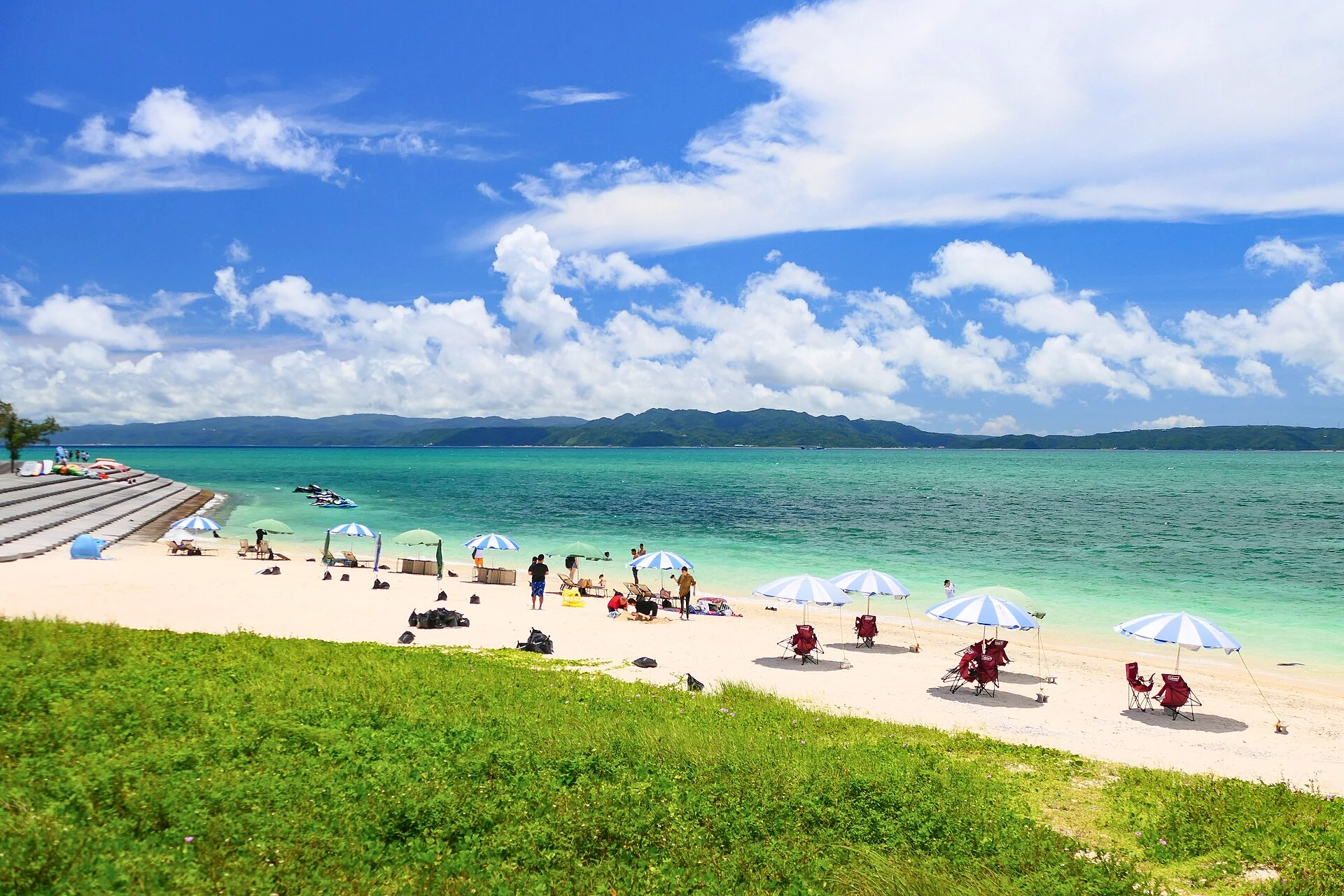
A useful agreement is one shared highlight, one optional activity and a clear meeting point. If some people want a long Kouri beach visit while others prefer a café, discuss the timing and how everyone will meet again. Do not assume a driver can make separate detours or wait beyond the booked hours.
Choose vehicle size after the passenger and luggage list is complete. Seating capacity and luggage capacity are different questions. For a larger party, restaurant seating, ticket arrangements and boarding time also belong in the itinerary.
For mixed ages or access needs: check the whole journey
Discuss walking distances, steps, vehicle boarding and comfort stops in practical terms. The Okinawa Prefecture universal tourism portal lists accessible transport resources, including care taxis and lift-equipped vehicles. Availability and suitability still need to be confirmed with the provider for the specific traveller and route. Source: prefectural accessible transport guidance.
Include the approach from the vehicle to the attraction, not just what happens inside. A smaller number of well-chosen stops may be more enjoyable for a mixed-age group than a faster version of someone else’s route.
Turn your must-see places into regional days
List a few must-see places first, then group them geographically. Give each outing a clear theme and an optional addition in the same area. The table below is a planning map in words, not a promise that every place in a row fits into one day.
| Area / theme | Ideas to consider | A useful limit |
|---|---|---|
| Naha and Shuri | Shurijo Castle Park, Makishi Public Market, city food and shopping | Use current opening times and leave time for the journey between districts |
| Central / west coast | Chatan, coastal scenery and time around your hotel | Choose a focus instead of adding every viewpoint on the coast |
| Motobu / north | Churaumi Aquarium, Bise or Kouri Island | Protect the main attraction’s time; make the other stops optional |
| Southern coast | Nanjo scenery and a selected cultural or historical visit | Give the south its own outing rather than treating it as a detour after a northern day |
| Another island | An independently planned ferry or flight itinerary | Allow for the connection, return service and conditions; keep it separate from a main-island driving day |
The official main-island itinerary is helpful for understanding nearby choices. For example, it places Bise roughly five minutes by car from the aquarium and suggests one to two hours for a fuller visit. “Nearby” therefore does not mean “takes almost no time.” Source: VISIT OKINAWA JAPAN recommended main-island trip.
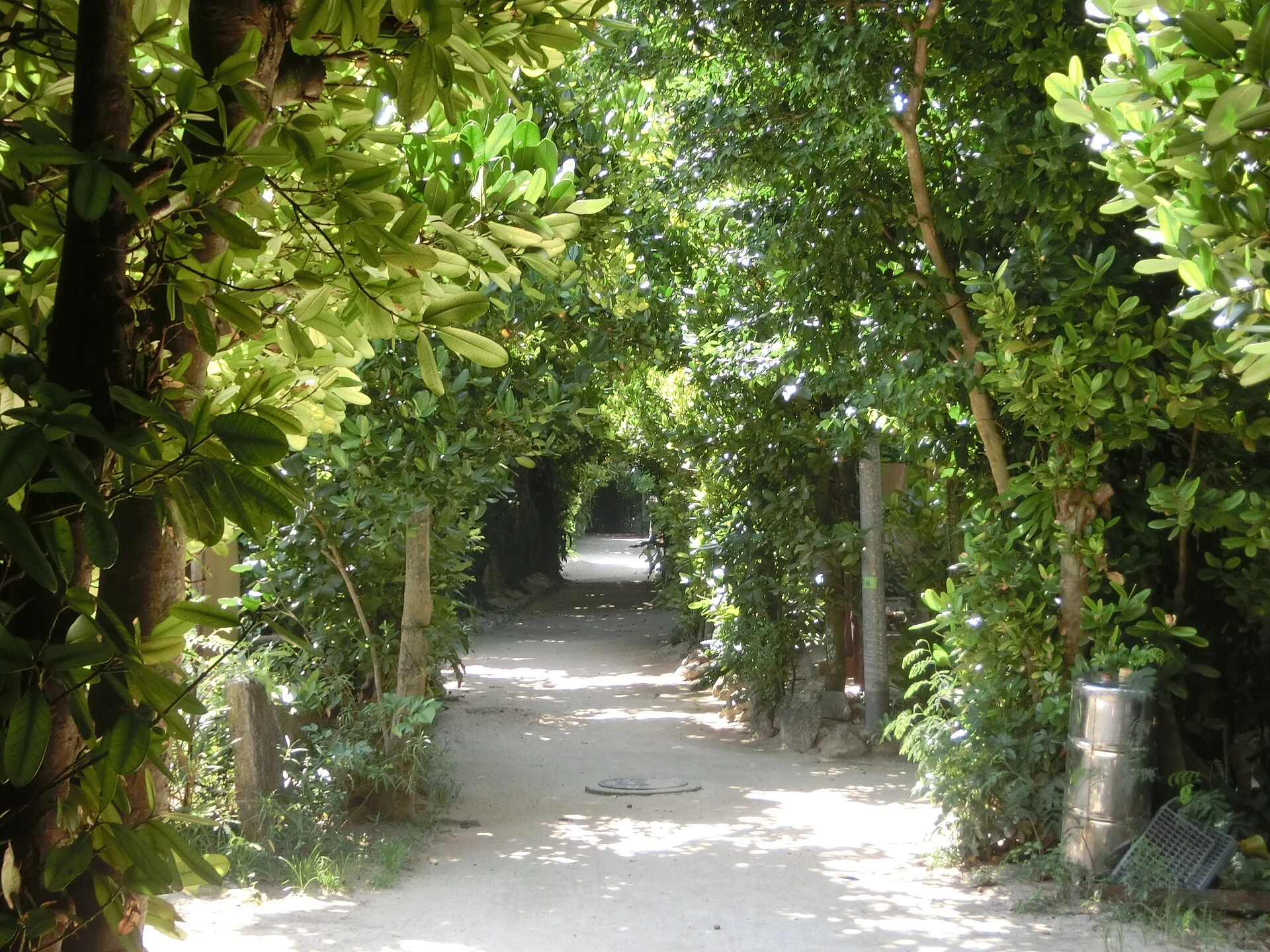
Use our northern day-tour guide to decide whether the aquarium, Bise and Kouri combination matches the day you want. For a deeper visit to one attraction, use the aquarium guide or Kouri Island guide instead of adding more stops.
Balance attractions, food stops and travel time
For each day, add together all travel legs + parking/boarding and walking + visits + meals and breaks + return margin. Compare that total with the time you actually have. If it does not fit, remove a stop before moving everything closer together on the timetable.
As a scale reference, Churaumi’s official access page estimates about two hours by car from Naha Airport using the expressway. That is an airport benchmark, not a fixed journey time from every Naha hotel. Pickup, traffic, stops and the walk to the entrance change the day. Source: aquarium access information.
A worked planning check for an eight-hour window
Suppose your available window is eight hours, and your own checked route allocates four hours to all travel, two and a half hours to your main visit and one hour to lunch and breaks. Only 30 minutes remain. That arithmetic does not support adding a separate attraction with another transfer.
These numbers are an illustrative time-budget exercise, not measured travel times for a particular route. For your actual day, replace every allowance with a realistic estimate for the hotel, transport method and date. A driver or tour provider should approve a private route before you book its duration.
Name the first stop you would remove
Make the decision while planning, when the choices are easy. A group can agree that the aquarium is essential, the village walk is optional and the separate island detour belongs on another day if lunch or traffic takes longer. This keeps a small delay from becoming pressure to rush every later visit.
Return time deserves particular care when you have a fixed dinner reservation, flight or cruise deadline. Explain that deadline to the transport provider. Extra touring hours, a different drop-off or a late return should never be assumed to be included.
Make room for food and a realistic trip budget
Food is part of the outing, not a task to squeeze into whatever minutes remain. Choose the area for lunch before choosing the restaurant. Keep a nearby alternative if your preferred place has a long wait, cannot seat your group together or does not suit everyone’s requirements.
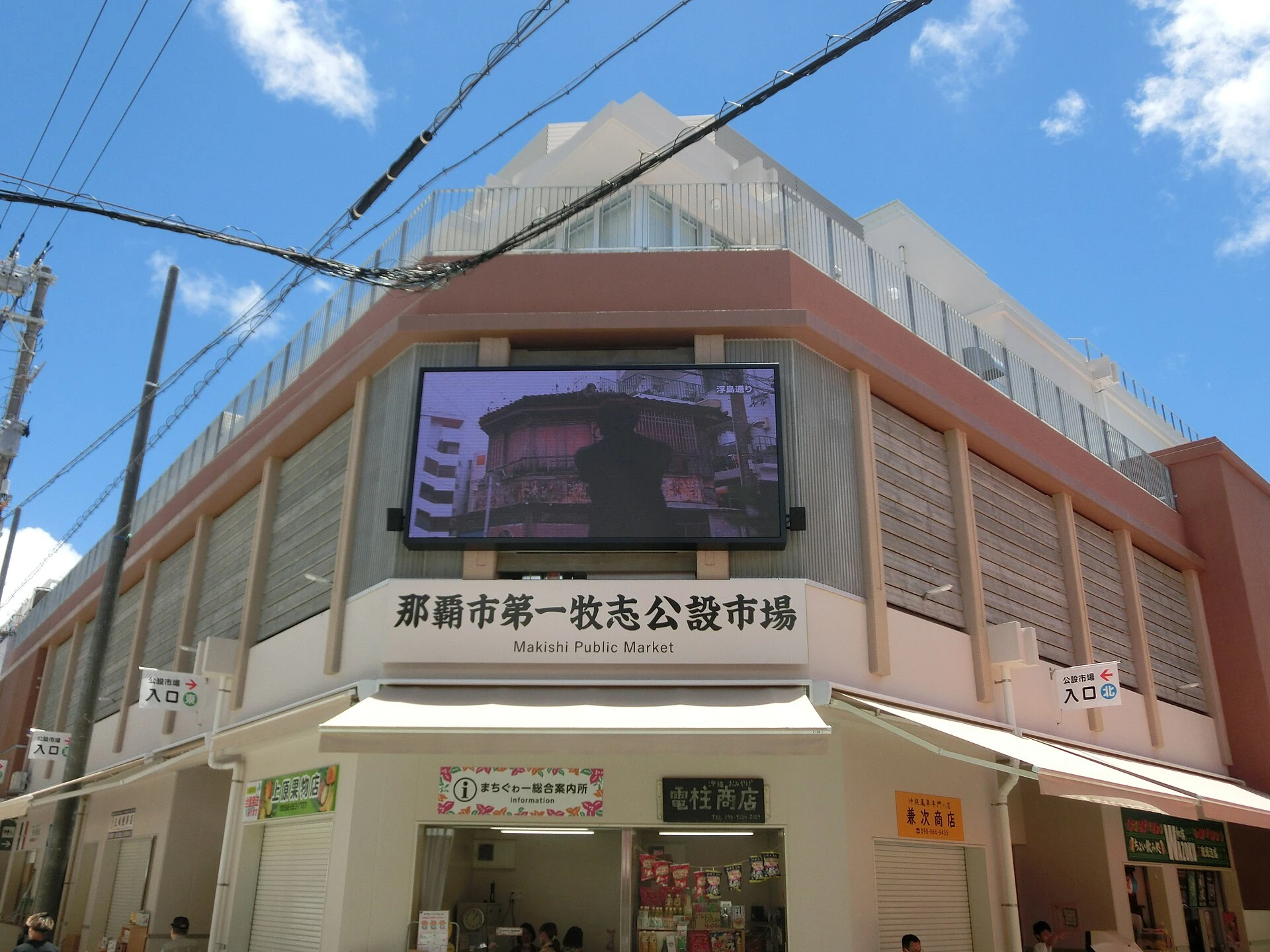
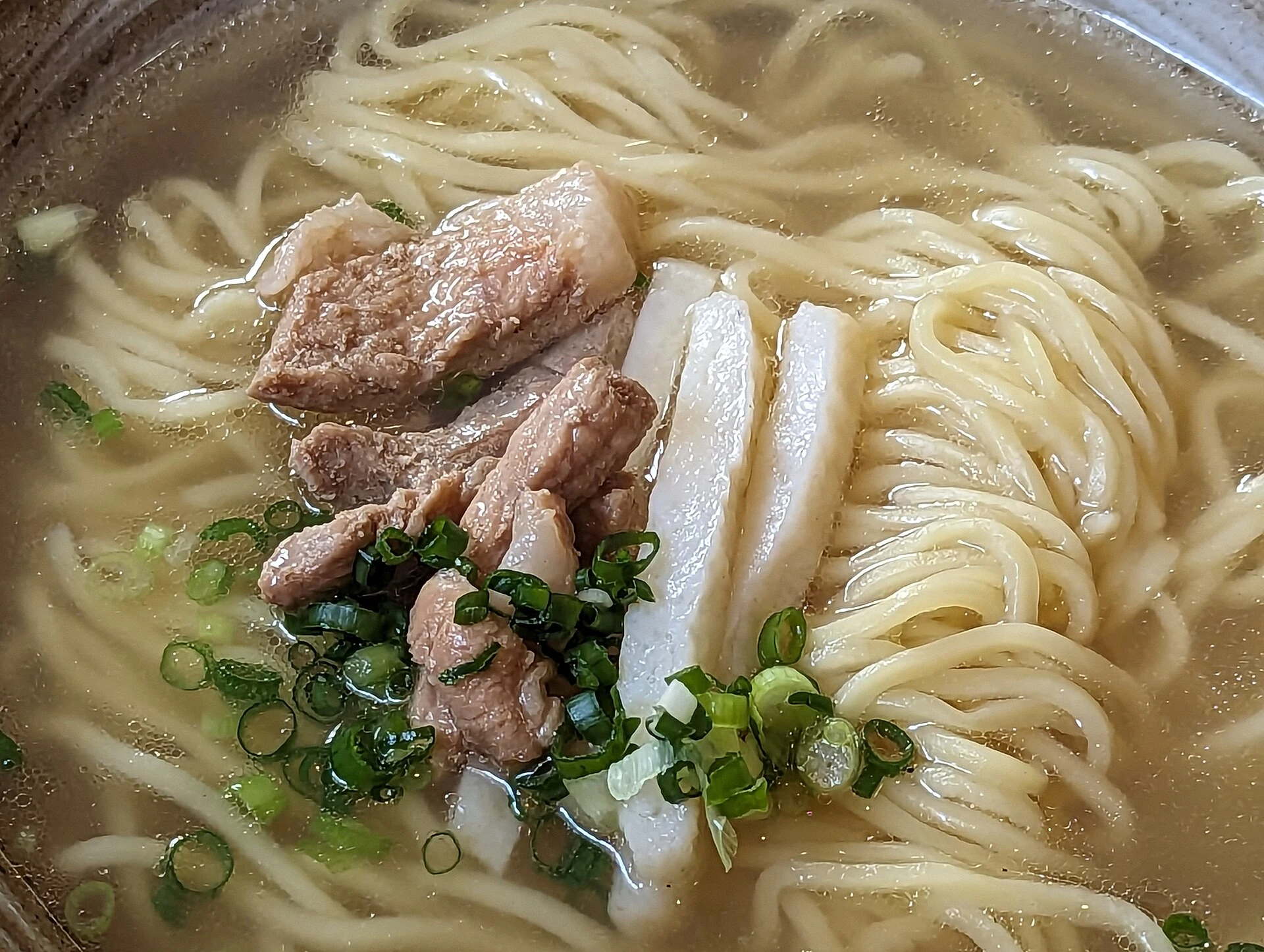
For a Naha day, Makishi Public Market can be a food-focused visit in its own right. For an excursion, a simpler meal in the area may preserve more time for your main attraction. Use the Okinawa food guide and Okinawa soba guide for ideas, then confirm the specific restaurant’s opening days, menu and dietary requirements.
Build your budget from the actual bookings: accommodation, airport journeys, daily transport, admission, food and activities. Compare the group total as well as the per-person figure. A private vehicle quote and a per-person sightseeing bus ticket cover different services and may include different extras.
One useful admission example is Churaumi Aquarium: its published general ticket rates are ¥2,180 for adults, ¥1,440 for high-school students and ¥710 for elementary/junior-high-school students, with preschool children under six listed as free. Check the applicable school category and whether your tour already includes admission. These are attraction prices, not a whole-day budget. Source: official aquarium fees, checked 28 October 2026.
| Budget item | What to include |
|---|---|
| Hotel | Room configuration, meals you plan to use, parking and any separately charged facilities |
| Transport | Airport legs, sightseeing, return rides, tolls/parking and any extra-hour charges |
| Activities and admission | Actual passenger categories, equipment and package inclusions |
| Food | Regular meals as well as special reservations, drinks and snacks |
| Changes | Cancellation terms and the cost of an alternative plan |
Choose a three-day, five-day or longer starting point
Once your base, transport and pace are clear, pick the detailed route closest to your available sightseeing time. These are starting points to adapt, rather than a minimum number of days every traveller must spend.
| Available sightseeing time | A useful starting point | How to adapt it |
|---|---|---|
| About three full days | Three-day Okinawa itinerary | Choose a few themes and keep optional stops light; do not count late arrival or early departure as full days |
| About five days to work with | Five-day Okinawa itinerary | Consider more coastal time or a split stay, after accounting for your flight and hotel-change days |
| A week or more | Use the same regional structure with longer stays | Add depth, rest or a separately planned island segment instead of automatically filling every day with another long drive |
For example, a family using a five-day outline might shorten its northern outing and protect a rest afternoon. A couple might give more time to culture and food. A group might use one longer shared outing and leave another day open for different interests. The framework stays the same; the priorities change.
Keep weather and hotel time flexible
Keep a short list of alternatives near each day’s area. In ordinary rain, a group may prefer an indoor visit or a longer meal. Severe weather, closures or transport disruption need a different response: check current official and operator notices and discuss changing the outing.
The aquarium lists regular opening hours of 08:30–18:30, last admission 17:30, with possible changes and exceptional closures. An indoor attraction still needs a workable and appropriate journey to reach it. Source: official aquarium opening and closure information.
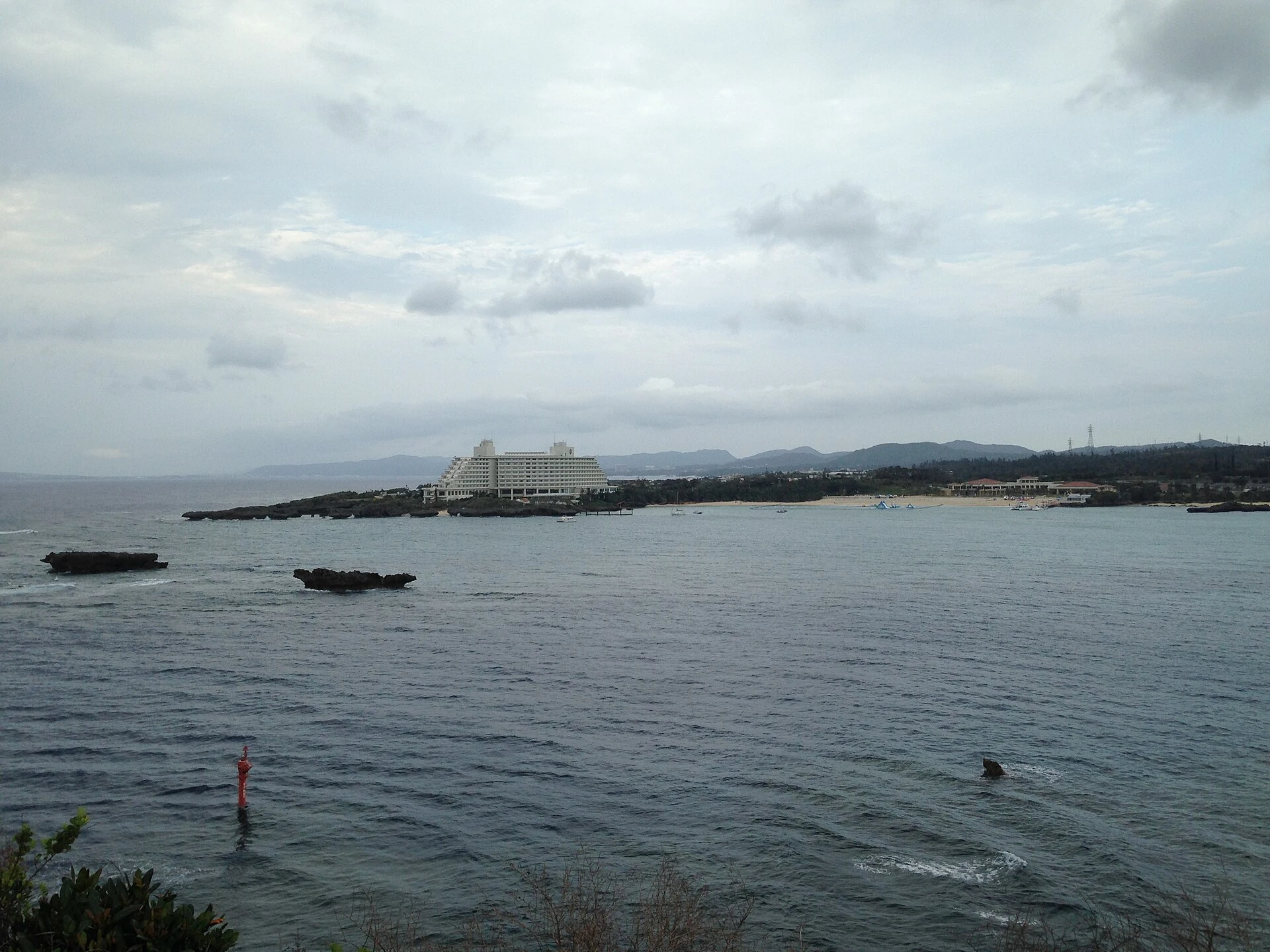
If you choose a resort for its pool, beach or activities, put time to use those facilities into the plan. Confirm operating dates, hours, charges and any participation conditions directly with the hotel. A photograph cannot confirm that a facility will be open when you travel.
For a broader seasonal decision, read our best-time-to-visit guide. Once dates are fixed, plan around current conditions rather than expecting a particular weather pattern to guarantee an activity.
Book your Okinawa itinerary in the right order
- Confirm the trip boundaries. Record island, flight times, usable days and fixed deadlines.
- Collect the party’s requirements. Priorities, children’s ages, walking/boarding needs and luggage.
- Sketch regional outings. One clear focus per day, with an optional addition.
- Check transport and hotel together. Make sure the longest day and airport journeys are workable.
- Reserve time-sensitive activities. Check availability, meeting points and cancellation conditions before building other stops around them.
- Fill in meals and breaks. Confirm important restaurant bookings and keep simpler alternatives.
- Share the practical version. Give the group addresses, departure times, meeting points and on-the-day contact details.
For a private transport enquiry, send your date, exact hotels, group and luggage details, main priorities and latest return time. Explain whether you want a guide or primarily a vehicle and driver. Confirm the agreed route, vehicle, hours, quote inclusions and communication arrangements before booking.
Okinawa itinerary FAQ
How many days should I allow for an Okinawa itinerary?
Count full sightseeing days first. Three full days can give you a focused introduction to the main island; a longer stay gives more room for the coast, rest and different interests. Choose the detailed three-day or five-day guide as a starting point and adapt it to your flights and pace.
Should I book my Okinawa hotel before planning the route?
Sketch your main outings and check transport before committing. The hotel and route should work together. A beautiful resort can be the right choice when you have time to use it and a workable plan for the outings beyond it.
Can I follow an Okinawa itinerary without renting a car?
Yes, with a suitable base and a transport plan for each outing. Use Naha’s monorail corridor where it helps, then check buses, shared tours, taxis or private transport for places beyond it. Do not assume the return journey will be as easy to arrange as the outward one.
How should an Okinawa itinerary change with young children?
Plan around their ages, usual breaks and interests. Protect meal and rest time, check facilities, and keep extra stops optional. Confirm an activity’s participation rules and any vehicle seating needs with the provider before paying.
What should couples include in an Okinawa itinerary?
Choose experiences you both want to enjoy, whether that is culture, food, the coast or an activity. Agree the balance between early outings and slow mornings, and leave enough time for the experiences you value most.
Is it worth splitting the stay between Naha and the coast?
Compare the travel you would save with the work of changing hotels. A split can suit a trip with distinct city and coastal priorities. One base can be simpler on a shorter stay, especially when luggage and check-in arrangements would take much of a day.
Can I include Ishigaki or Miyako in this main-island route?
They need their own transport and accommodation arrangements. Treat the move as an island-to-island travel segment and allow time to enjoy the new base. Do not add it as if it were another stop along the main island’s road network.
Do I need a private driver for every day?
Choose transport day by day. A local Naha outing and a distant sightseeing day can call for different arrangements. Private transport may help with an agreed custom route or particular group requirements; compare the complete service with other workable options.