The best time to visit Okinawa depends on what you want to do once you arrive. A week built around swimming needs a different calendar from a Naha food break, a northern sightseeing drive or a winter whale-watching trip. Start with your one essential experience, then choose the season that gives it the best chance.
The best time of year to visit Okinawa depends on the weather, crowds and activities you prefer. Compare the seasons below before choosing your dates.
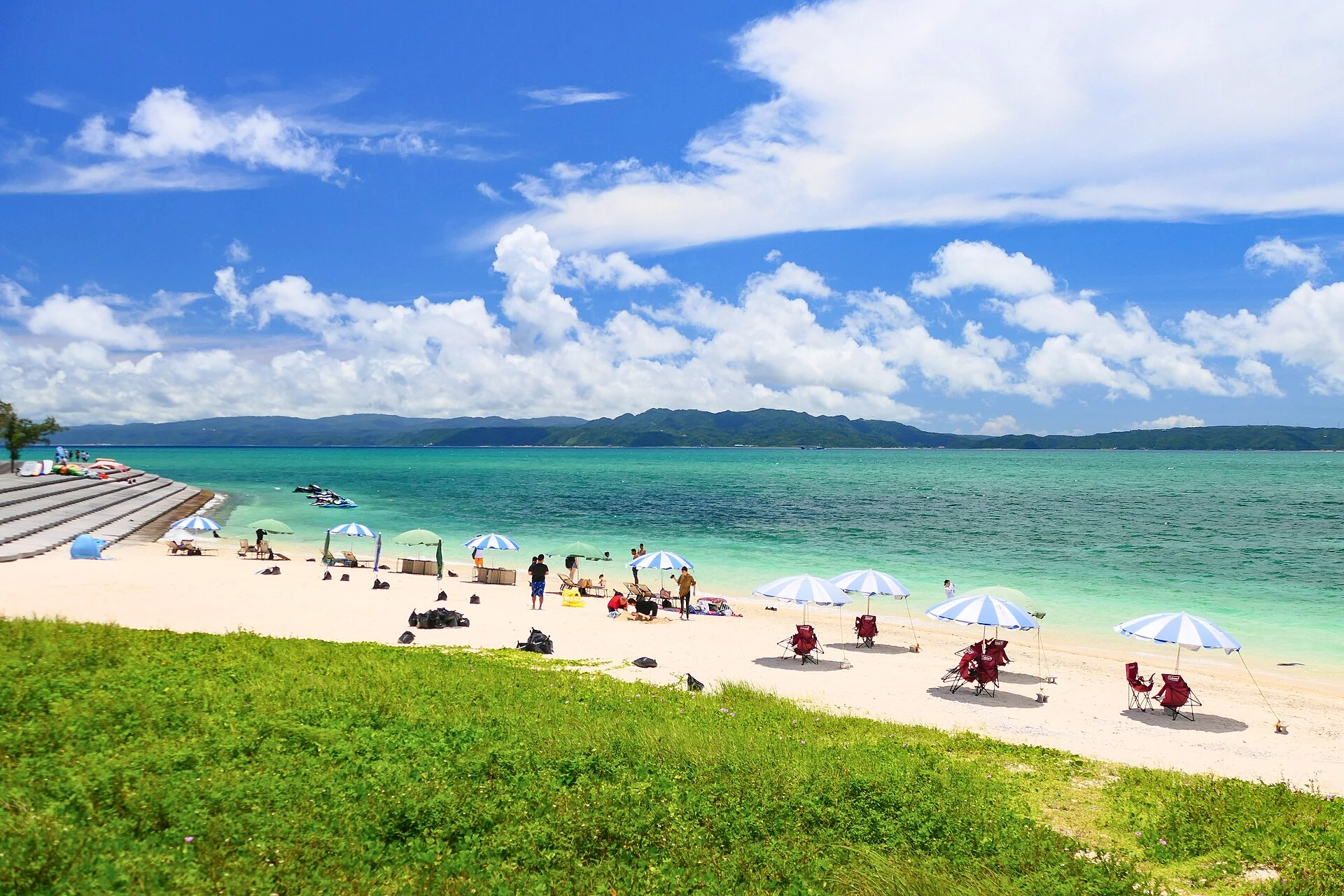
CHOOSE YOUR SEASON, THEN YOUR ROUTE
For a first trip mixing sightseeing, food and coastal views, our starting choices are April outside Golden Week, or October–November. For a summer beach holiday, consider late June–July after checking the year’s rainy-season conditions; August–September remain warm but need particular flexibility for typhoons. Winter suits a different trip: walks, culture, early cherry blossoms and seasonal whale-watching tours.
These are editorial planning recommendations, not weather guarantees or a claim that one month is always cheapest. Official climate and visitor information checked October 19, 2026. This guide focuses on Naha and Okinawa Main Island, with separate considerations for island excursions.
When is the best time to visit Okinawa for your trip?
If you are choosing dates freely, separate “warm enough to enjoy being outside” from “a holiday centred on the sea.” You can admire the coast, eat well and explore villages without spending hours in the water. Conversely, a beautiful spring afternoon does not establish that your chosen beach has opened for swimming.
| Your main priority | Dates to investigate first | The trade-off |
|---|---|---|
| First visit: sightseeing, food and coast | April outside Golden Week; October–November | A balanced starting point, with beach availability checked separately. |
| Swimming and a summer resort stay | Late June–July; also August–September if flexible | Heat, showers and possible storm disruption; no guaranteed sea conditions. |
| Walking, markets and cultural stops | March–April or November; winter if you welcome cooler days | Bring layers and allow for rain or wind. |
| Early cherry blossoms | Mid-January–mid-February, following bloom updates | Timing differs by location and year. |
| Whale watching | Winter, matching the selected operator’s season | Boat departures depend on sea conditions; sightings are wildlife encounters. |
| The lowest practical trip cost | Compare several non-holiday date windows | There is no universally cheapest month for every flight route and hotel. |
The table is our decision framework. The official Okinawa seasons guide describes the broad pattern of long summers and mild winters. Use that background to choose a window, then look at the exact activities and accommodation you want.
Okinawa month by month: climate context for choosing dates
These are Naha’s 1991–2020 monthly climate normals from the Japan Meteorological Agency (JMA). Temperatures are monthly means, not daily maximums; rainfall is a monthly total. They describe a long-term pattern, not this year’s forecast or every Okinawan island. The final column contains our planning prompts.
| Month | Mean air temperature | Rainfall | Planning prompt |
|---|---|---|---|
| January | 17.3°C / 63°F | 101.6 mm | Culture and seasonal winter outings. |
| February | 17.5°C / 64°F | 114.5 mm | Follow local blossom updates. |
| March | 19.1°C / 66°F | 142.8 mm | Flowers and a flexible walking plan. |
| April | 21.5°C / 71°F | 161.0 mm | Check beach openings and holiday dates. |
| May | 24.2°C / 76°F | 245.3 mm | Allow indoor alternatives. |
| June | 27.2°C / 81°F | 284.4 mm | A transition month, not a fixed switch. |
| July | 29.1°C / 84°F | 188.1 mm | Build a beach-led plan with breaks. |
| August | 29.0°C / 84°F | 240.0 mm | Keep weather-dependent days movable. |
| September | 27.9°C / 82°F | 275.2 mm | Summer warmth still needs flexibility. |
| October | 25.5°C / 78°F | 179.2 mm | Combine the coast with cultural stops. |
| November | 22.5°C / 73°F | 119.1 mm | Prioritise sightseeing over pool promises. |
| December | 19.0°C / 66°F | 110.0 mm | Plan an enjoyable land-based trip. |
Less rain does not automatically mean more blue sky. JMA’s Okinawa climate overview shows that winter has relatively little rainfall but less sunshine, while summer has more sunshine despite wetter months. Nor does a monthly rain total tell you how many hours of your particular stay will be wet.
What each Okinawa season means for your holiday
December–February: a winter sightseeing trip, with seasonal highlights
Choose winter if you would enjoy Okinawa even without a swimming day. A Naha base can work well for food, pottery and cultural visits, with a carefully chosen excursion on a suitable day. Pack for the possibility of wind and an overcast afternoon, rather than treating “subtropical” as a promise of beachwear weather.
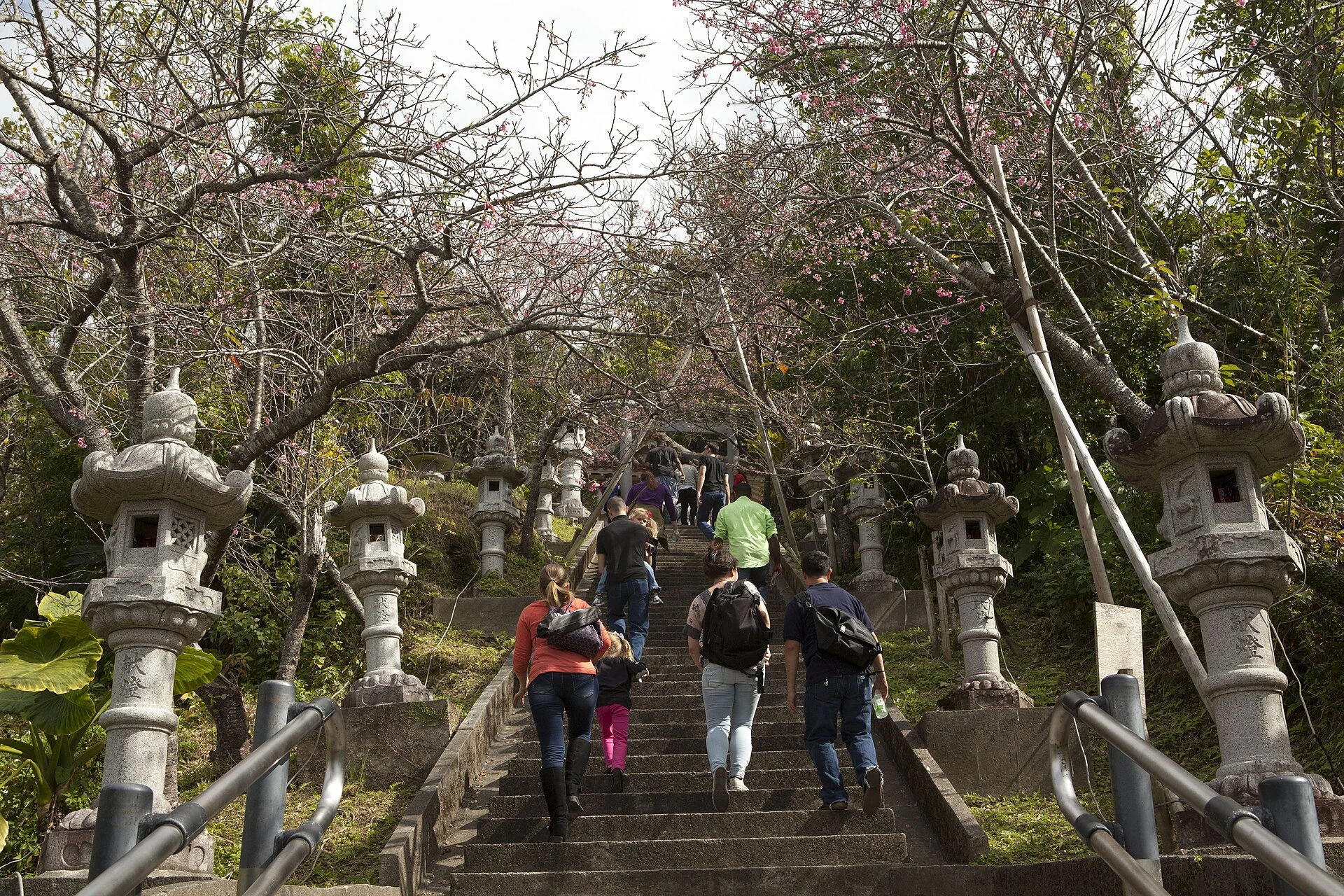
Okinawa’s deep-pink cherry blossoms normally appear much earlier than the mainland’s familiar spring sakura season. The official January guide places the broad window between mid-January and mid-February, with northern main-island locations flowering earlier. Follow the chosen site’s current bloom reports before fixing a long drive around it.
The same official guide identifies winter whale watching around Naha and the Keramas as a seasonal highlight. Check the operator’s actual operating dates, meeting point and weather cancellation terms. Leave another possible day for the outing if it matters to your trip; a scheduled season does not guarantee a departure or a sighting.
March–April: flowers and a gentler sightseeing pace
This is an appealing starting window for a holiday built around walks, scenic stops and time to eat. Rather than filling every day with a long drive, choose a northern day and a Naha day, then decide whether the coast or a garden deserves the remaining space.
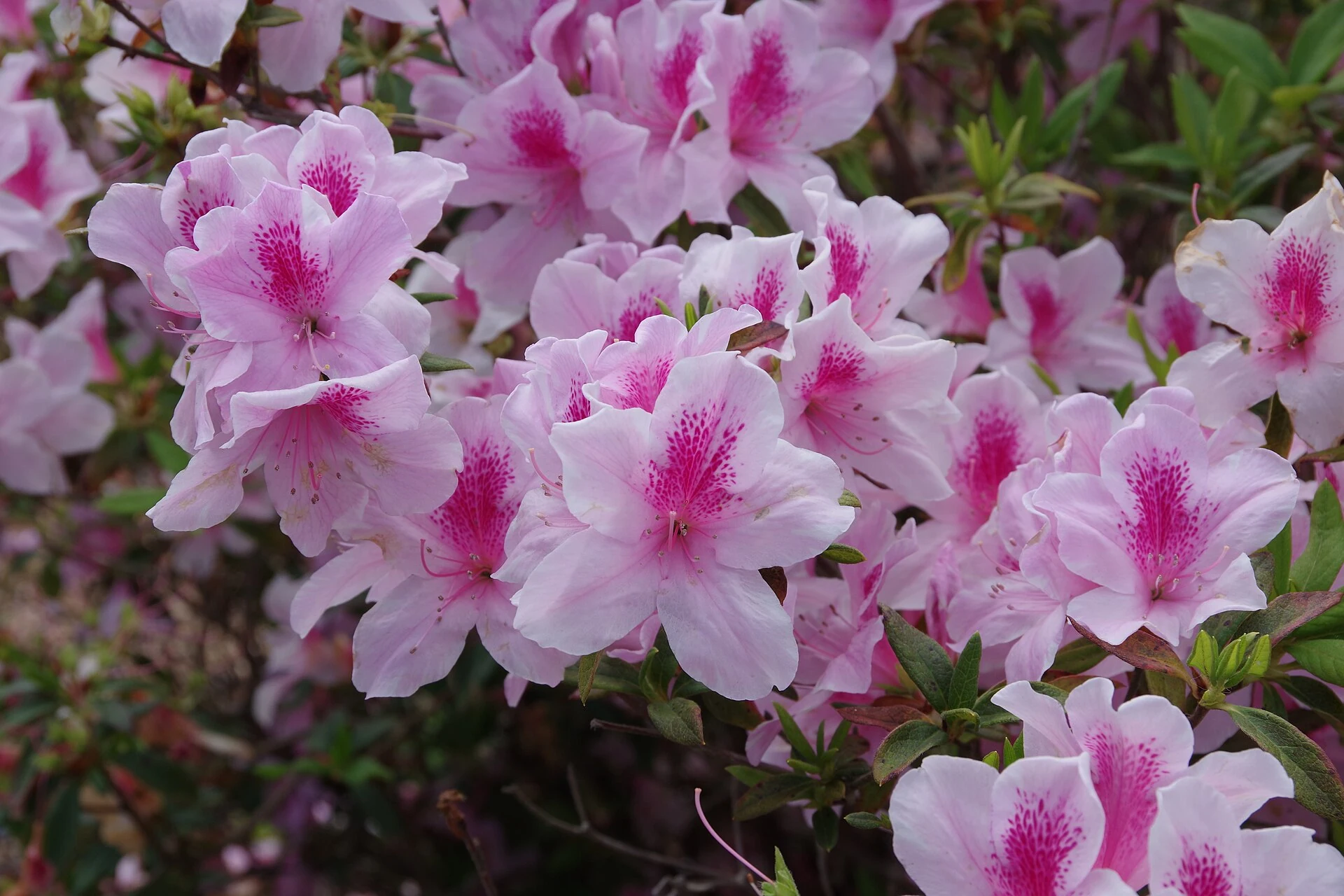
The official March guide highlights azaleas in Higashi and other seasonal flowers. Its April guide describes the opening of the beach season. Treat those as different opportunities: a flower walk can suit a cool day, while a swim depends on the specific beach’s opening and conditions.
April before Golden Week is one of our preferred windows for a first mixed trip. That is a judgement about the balance of activities, not evidence of consistently low prices or empty attractions. Check the exact holiday calendar before assuming that the final days of April are quiet.
May–June: rainy-season choices, with room to change the day
May and June can still make a rewarding trip if your essential experiences are meals, culture, indoor attractions and coastal sightseeing when suitable. They are less comfortable choices if the success of a very short holiday depends on one perfect beach afternoon.
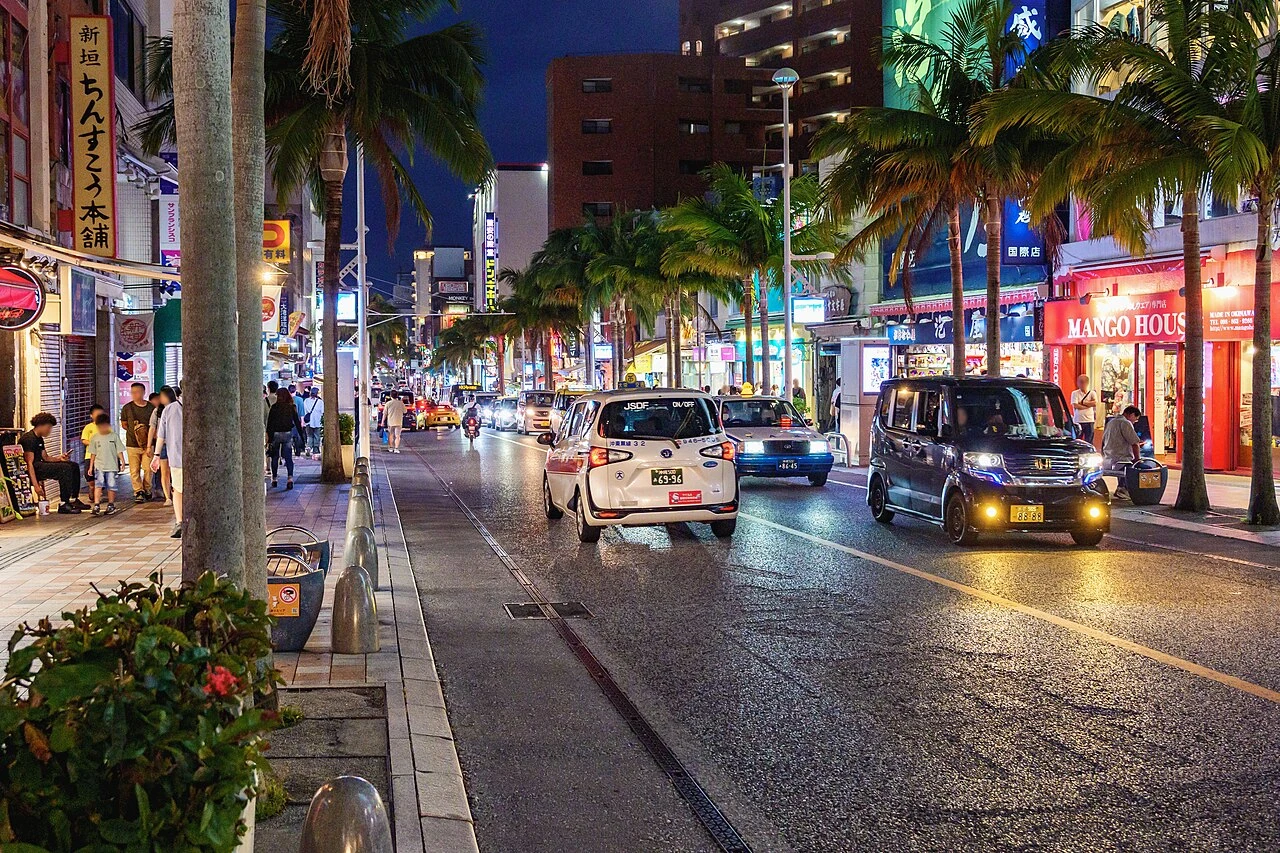
The official June guide recommends indoor crafts and museums alongside seasonal flowers. Build that flexibility into the booking stage. Keep an indoor option in the same area as your outdoor plan so that changing course does not require crossing the island.
A market lunch can become the main event of a Naha day rather than an afterthought. Our Makishi Public Market guide explains the floors, meal options and closure checks. Rain is not a reason to ignore business hours: a covered shopping lane and a particular restaurant do not necessarily share one schedule.
Late June–July: a summer beach holiday, if conditions cooperate
For travellers whose priority is time in the water, late June into July is worth investigating first. The attraction is the summer pattern after the typical rainy-season transition, rather than a guarantee that a specific June booking falls after the rain. Avoid choosing a flight solely because a guide gives one fixed “end of rainy season” date.
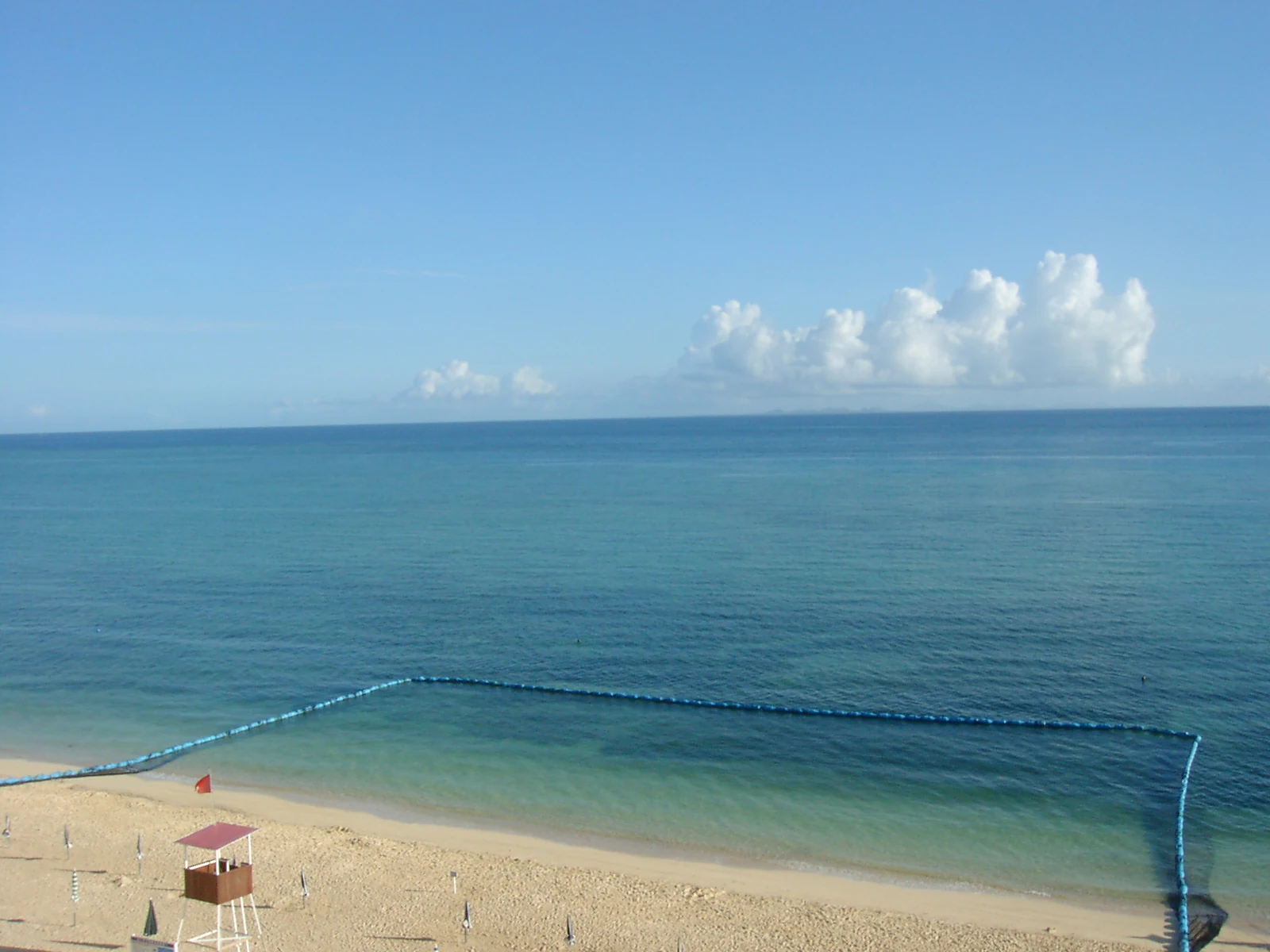
The official July guide describes a full beach season, summer events and marine activities, while also noting showers and possible typhoons. Plan a manageable beach session and a slower meal or indoor stop, rather than assuming everyone wants to spend the whole day outside.
If the beach is your main activity, choose accommodation and transport around that beach first. A striking northern coastal photograph should not push you into a hotel location that makes every day a long transfer.
August–September: summer warmth with a stronger need for flexibility
Do not write off these months if school holidays determine your dates. Instead, choose a trip that remains enjoyable when a boat or beach day moves. Book the essential accommodation and transport, understand cancellation conditions and leave room between a weather-dependent excursion and an important flight.
The official August guide highlights eisa and the sea, while explaining that Okinawa’s lunar-calendar Obon dates change each year. A festival you saw in an August article may not fall on your August dates. Check the organiser’s current programme, and keep transport arrangements separate from any assumption of a guaranteed performance.
October–November: coast, culture and comfortable sightseeing choices
October is our autumn starting point if you want to combine some beach time with sightseeing. November is a stronger fit if you are happy to put food, villages and cultural visits ahead of swimming. Neither month requires you to fill the trip with indoor activities; the point is to choose a holiday that works without a particular water activity.
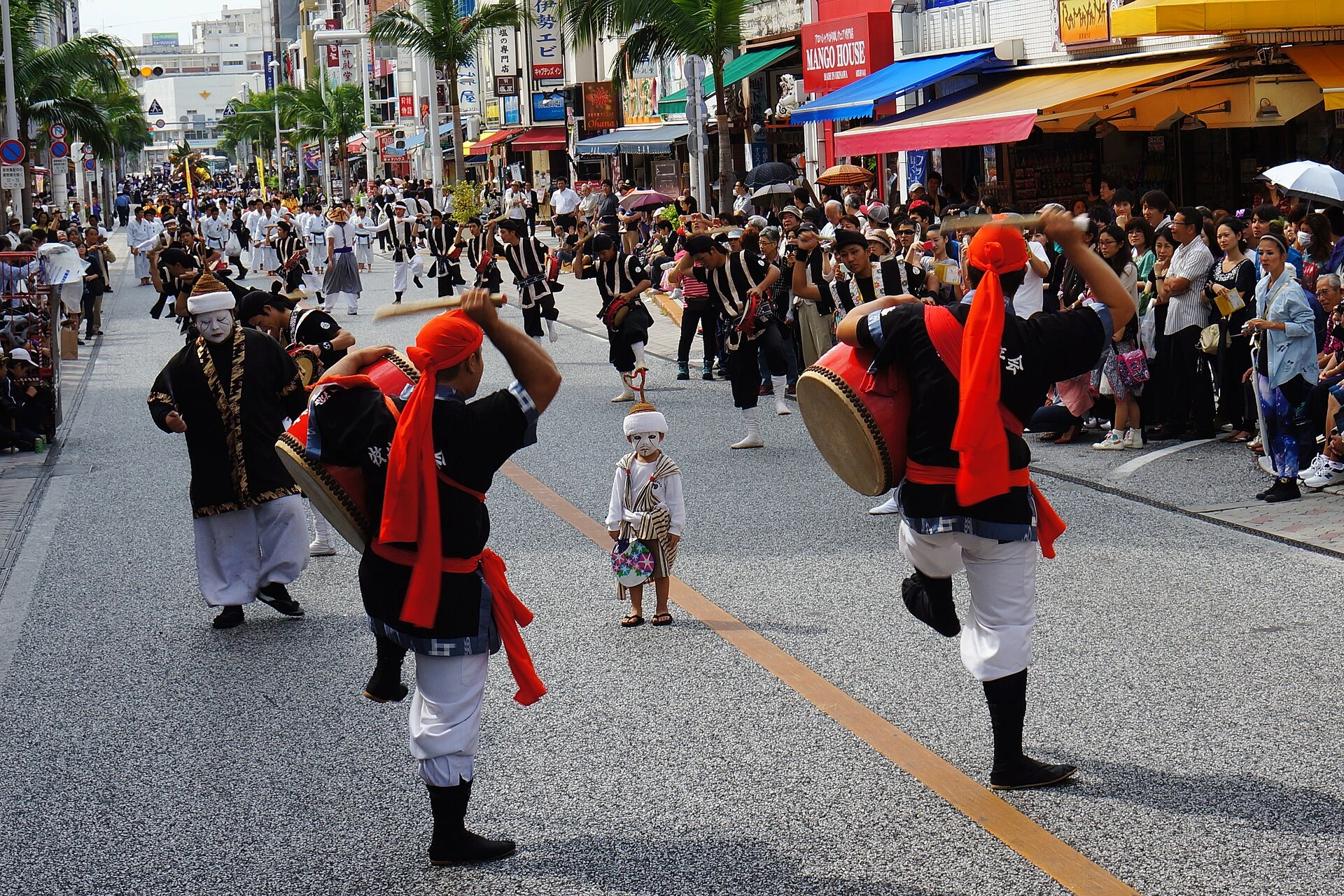
The official October guide describes marine activities and cultural outings, but specifically says to check swimming restrictions. The November guide recommends markets and cultural experiences, with a layer useful for cooler moments. For festivals, confirm this year’s dates and venues before reserving a hotel around the event.
Continue to check JMA information in autumn. A reassuring seasonal summary is not a substitute for the forecast and transport operator’s notices for your actual dates.
Best time for Okinawa beaches, swimming and snorkelling
Choose the activity before choosing the month. Sitting beside the sea, swimming in a managed beach area and joining a boat snorkelling trip each involve different conditions. A beach can be attractive for a walk outside its swimming season, and a warm sea does not establish that a boat trip will run.
| Experience | Ask before booking | Why it changes the choice |
|---|---|---|
| Managed beach swimming | Season dates, lifeguard hours, permitted area and daily restrictions | A general description of warm weather is insufficient. |
| Snorkelling or diving tour | Operating season, exact package, equipment, age rules and weather policy | Different packages can operate on different calendars. |
| Resort pool holiday | Outdoor pool dates, opening hours and whether the desired pool is heated | A room booking does not establish year-round pool service. |
| Coastal sightseeing | Access, wind and any closure notice | You can plan for the view without promising a swim. |
A useful real example is Emerald Beach’s official facility page. On October 19, 2026 it listed swimming-area hours through October 31, 2026, of 08:30–17:00, with swimming limited to the designated Asobi-no-hama area. It also states that snorkels cannot be used. This is one beach’s dated guidance, not a timetable for all Okinawa beaches or for next year.
For a northern scenic day, our Kouri Island guide helps distinguish the beach, bridge viewpoints and other stops. Decide whether the day is primarily for swimming or sightseeing before adding distant attractions.
When is Okinawa’s rainy season, and should you avoid it?
JMA’s rainy-season guidance for visitors puts Okinawa’s normal onset around May 10 and withdrawal around June 21, based on 1991–2020. Each date represents the centre of a transition of about five days; the actual season varies each year. This is earlier than the rainy-season calendar many travellers associate with mainland Japan.
Whether to avoid it depends on how much flexibility you have. A sightseeing-and-food trip can absorb a changed outdoor afternoon more easily than a two-night stay built around one boat departure. Equally, the term “rainy season” does not establish that every hour will be wet. Wait for the relevant forecast before deciding the order of your days.
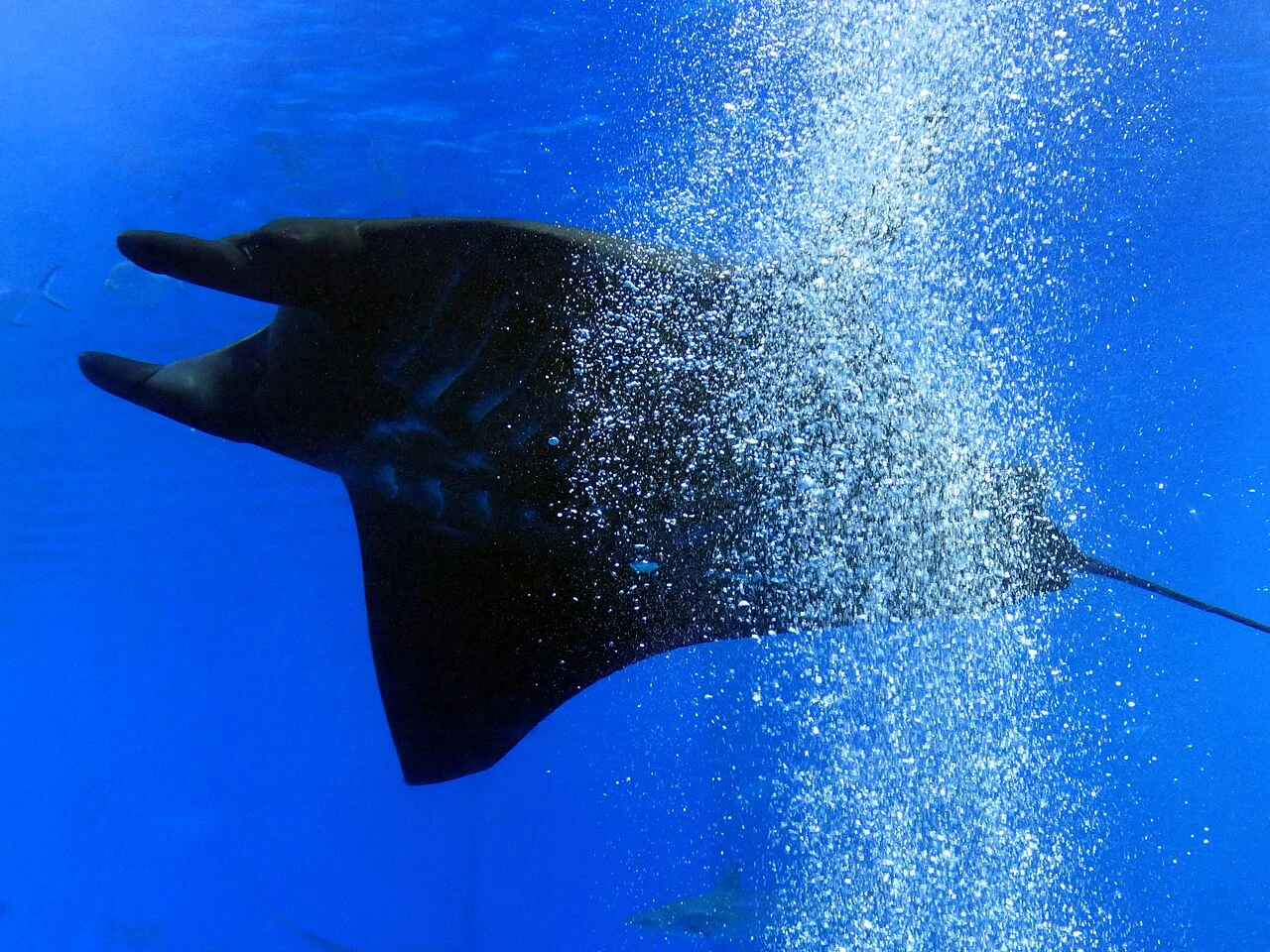
Keep a realistic indoor plan. Churaumi Aquarium’s official introduction identifies its indoor marine exhibits; our Churaumi Aquarium guide covers how to organise a visit. A museum, aquarium or booked craft workshop can make an ordinary rainy day worthwhile. Severe-weather warnings and closures take priority over that backup plan.
In Naha, a relaxed food day is another useful alternative. Use our Okinawa food guide to choose dishes rather than chasing a long list of scattered restaurants. Reserve only what needs reserving, and leave room to adjust the walking portion.
Typhoon season: protect the shape of your trip
JMA’s Okinawa typhoon overview identifies August–September as the period with the most approaches in the 1991–2020 normals. That is a seasonal pattern, not a prediction that a particular trip will be disrupted. Nor is an autumn month automatically typhoon-free: JMA’s historical approach table records approaches outside the summer peak, including November.
The word “approach” has a specific statistical meaning: a storm centre within 300 kilometres of one of Okinawa’s designated weather stations. It does not mean every island was hit or that the centre made landfall. For travel decisions, look at your island, the forecast and the actual service notices.
If you are considering the Keramas or another island
Keep the ferry or boat outing separate from your onward-flight assumptions. The official typhoon precautions guide explains that ferry disruption can continue longer than flight disruption. Our planning suggestion is to avoid making a weather-dependent island return the only way to catch an important flight immediately afterwards.
Check the operator’s meeting time, cancellation notice process, refund terms and alternative dates before booking. A package advertised in a broad “spring activities” article may have a narrower operating season when you open its actual booking calendar. Read the selected option, rather than relying on the headline photograph.
If a warning affects your stay
Follow local guidance, stay away from the coast and do not replace a cancelled boat trip with exposed sightseeing. Consult JMA’s English Okinawa weather information, your accommodation and the relevant transport operator. A private vehicle does not make a closed road, bridge or attraction available.
When are crowds and prices worth checking most carefully?
Start with exact dates rather than an annual “cheap season” label. The official May guide flags Golden Week from late April into early May as a busy travel period. Summer holidays, major events and your departure market’s holidays also belong in the comparison. A quiet weekday at one attraction does not prove that flights or resort rooms are inexpensive.
For travellers from the United States, Singapore, Australia, South Korea, Hong Kong and Taiwan, compare the dates around your own school and public holidays as well as Japan’s. The same Okinawa week can have different flight costs and connections from different departure airports. Do not assume a price recommendation written for one market applies to your route.
Compare the complete trip, not just the room
Price the same number of nights, the same party and a similar cancellation policy across two or three windows. Include baggage, arrival transfers and the activities that matter. A lower room rate is not automatically better value if your desired pool is closed, the seasonal tour does not run or an awkward flight uses up most of a short stay.
Make festivals a deliberate choice
An event can be the reason for choosing a date, or a reason to choose a different one if you want a quieter routine. Check the event organiser’s programme, road restrictions and accommodation availability together. Do not transfer a lunar-calendar festival’s date from an old article into a new year’s itinerary.
Match the season to the way you want to travel
A first-time sightseeing and food trip
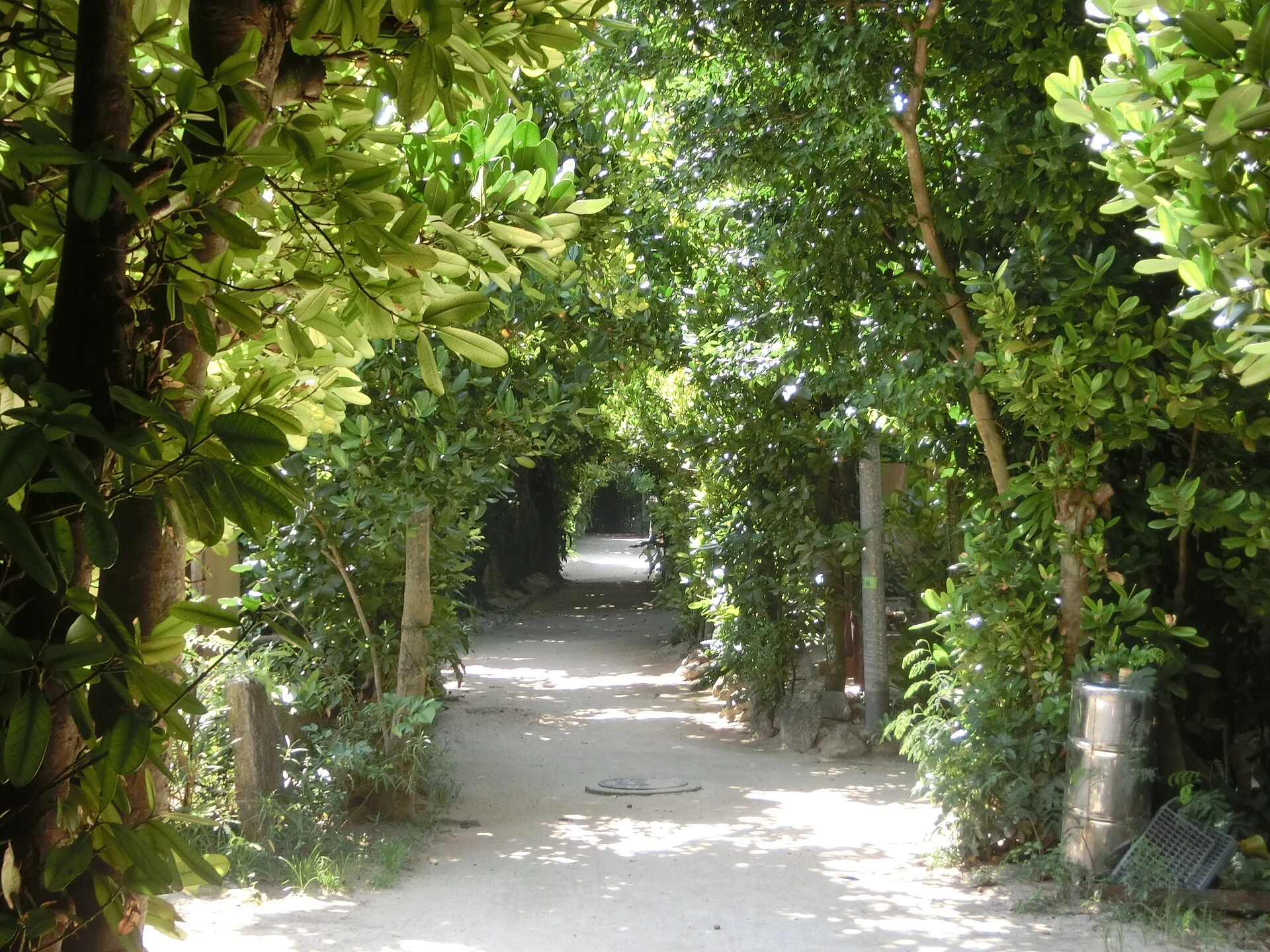
Start with April or October–November, then compare your actual flights and must-do activities. Choose a Naha food-and-culture day and one main northern sightseeing day. Our three-day Okinawa itinerary provides a route framework; use the weather forecast to decide which day gets the coast.
A family resort holiday
If the holiday only works with daily pool or beach time, check those facilities before booking the room. Compare how much travel your family wants between activities, and leave room for a slower afternoon. A shorter itinerary with one essential outing may be more enjoyable than a checklist that requires a vehicle journey after every swim.
A Naha stay without renting a car
A land-based city break gives you more scope to choose a cooler or rainier window without losing the purpose of the trip. Pick accommodation around the places you expect to walk and the transport you plan to use. Our Okinawa without a car guide separates Naha travel from the challenges of farther sightseeing.
A beach-led or island-hopping trip
Work backwards from the actual beach or marine operator’s season. Put a possible second activity day into the plan, and keep your flight connection resilient to changes. Main-island climate averages are useful background, but an Ishigaki, Miyako or Kerama itinerary needs its own local forecast and operator checks.
A practical checklist: turn your date window into a workable itinerary
- Name the one essential experience. Decide whether a swim, seasonal outing, festival or particular sightseeing area determines the trip.
- Choose two possible date windows. Compare the relevant climate pattern, holiday calendar and operator season.
- Check the complete booking. Review flights, accommodation facilities, activity inclusions and cancellation terms for the same party.
- Choose the base before adding stops. A northern resort holiday and a Naha city break create different transport needs.
- Keep one useful alternative. Put it near your planned area and confirm its opening schedule.
- Recheck closer to travel. Use forecasts and live service notices to set the final order of the days.
Once the dates and hotel area are clear, use our Naha Airport transfer guide for the arrival decision. Settle the airport journey before filling the arrival afternoon with sightseeing.
Best time to visit Okinawa: frequently asked questions
What is the best month to visit Okinawa for the first time?
Our starting choice for a mixed sightseeing-and-food trip is April outside Golden Week, or October–November. Choose summer instead if swimming is the essential activity, and winter if you prefer a land-based trip with seasonal highlights. Check the specific activities before deciding between otherwise suitable months.
Is May or June a bad time to visit Okinawa?
They overlap the normal rainy-season period, so they call for flexibility. A city, food and culture trip can still work well; a short holiday depending entirely on a boat outing is less resilient. Use the year’s actual conditions and the operator’s policies rather than a fixed annual cutoff.
Can you swim in Okinawa in April or November?
Possibly, but air temperature alone does not answer that question. Check the chosen beach’s swimming dates and lifeguard hours, or the marine operator’s season and equipment guidance. A resort’s outdoor pool may have its own separate calendar.
When should I visit Okinawa for cherry blossoms?
The broad official window is mid-January to mid-February, earlier than much of mainland Japan. Timing moves through different locations and varies each year. Use current bloom updates for the site you want, rather than booking a March trip on the assumption that Okinawa follows the mainland calendar.
Is October safe from typhoons?
October is outside the August–September peak in the JMA climate pattern, but it is not a typhoon-free promise. Check current information before and during travel, and keep weather-dependent activities flexible.
Which month is cheapest for an Okinawa holiday?
There is no single answer for all departure airports, hotels and travel styles. Compare several non-holiday date windows for the complete trip, including the cancellation terms and seasonal facilities you need. A low room rate alone does not establish the best value.
Does Naha weather describe all of Okinawa?
No. Naha’s climate normals are a useful reference for the main island, not a forecast for every island group. For Miyako, Ishigaki or a Kerama excursion, consult the relevant local forecast, transport notices and activity operator.
Editorial note: month choices and itinerary suggestions are OkinawaVia’s planning judgements, informed by the official sources linked above. Climate normals, current forecasts, opening calendars and individual booking conditions answer different questions. Photographs are licensed documentary images from the dates stated in their captions.